Design Chopping Board: 8 Picks That Look as Good as They Cut
Audio Summary
A design chopping board is the one kitchen tool that never gets put away. It sits on the counter between meals and doubles as a serving board when friends come over. A plain slab does the job and disappears; a good board makes the kitchen look better. This guide covers how to choose — species, grain, size, shape, care and food safety — then eight boards you can buy right now, each checked on the page that sells it.
How to Choose a Design Chopping Board
Size and Shape First
Size comes first, because the wrong size is the mistake people regret most. A main board should be at least 12 by 18 inches, big enough for a pile of chopped onion, and 1.5 to 2 inches thick, so it stays put under the knife. Too small and you chop in batches; too big and it never leaves the counter. For a small kitchen, the board has to earn its counter space, and our ideas for a small kitchen layout guide shows how a tight room stays workable when every piece earns its footprint.
Shape is the second decision. A rectangle is the workhorse, with the most cutting area for the counter space. A round board suits pizza and serving, and a paddle board is easy to carry to the table. A juice groove catches liquid from a roast, but it eats into the flat area, so a flat board is better for everyday prep.
Wood Species: Maple, Walnut, Cherry, Teak, Acacia
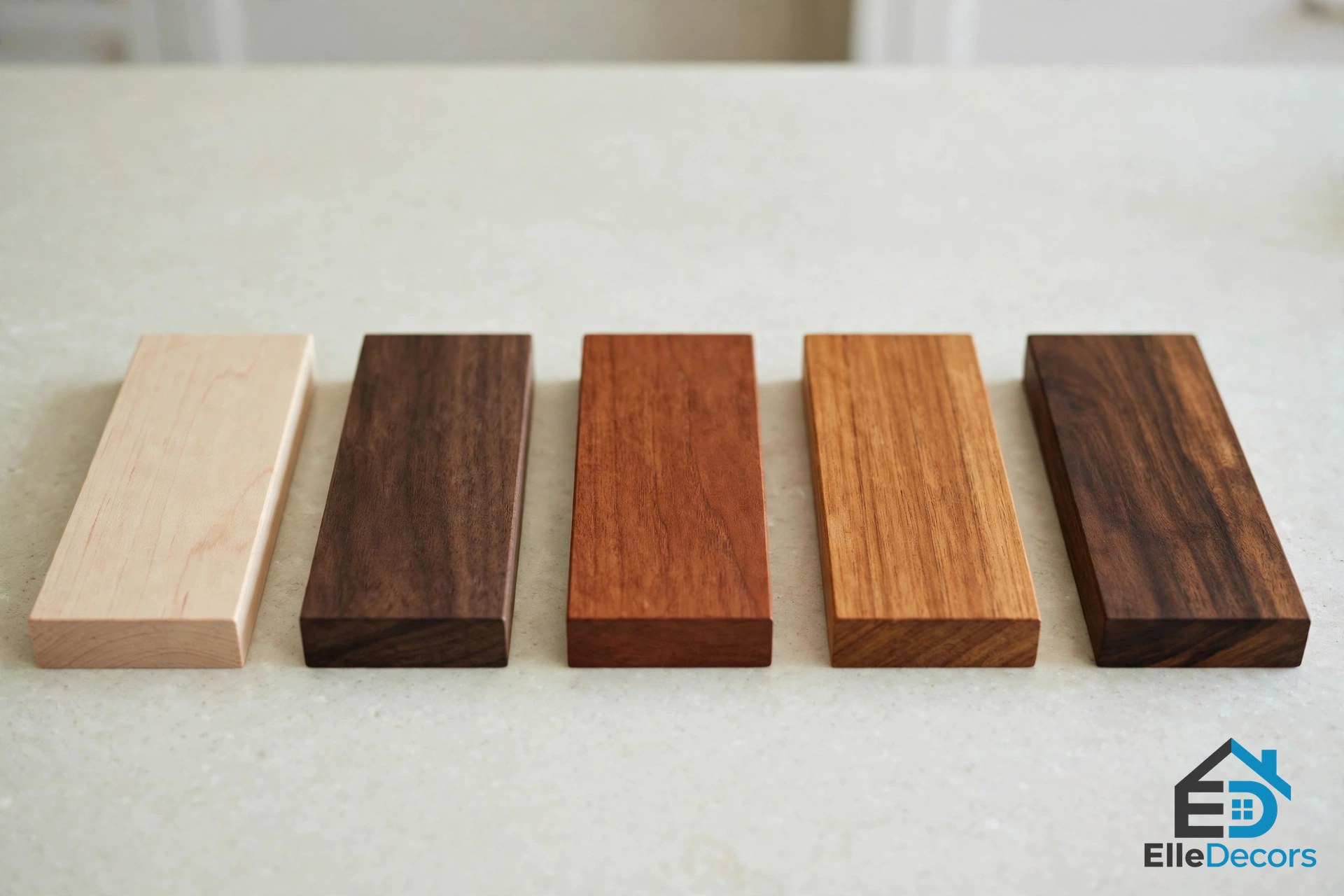
The species matters more than the brand when you buy a design chopping board, because the wood sets the hardness, the colour, and how much care the board will need. Hardwoods make the best boards: dense, durable, and gentle on knife blades. Softwoods are too porous, so pine and cedar have no place on a cutting surface.
Maple is the gold standard: hard maple sits around 1,450 on the Janka hardness scale, with a light, neutral colour and fine grain that resists water. Walnut is a little softer at 1,010, gentler on knives, and its rich dark colour hides stains that would show on maple. Cherry sits between the two, with a warm tone that deepens as it ages.
Teak is the low-maintenance outlier: its high natural oil content resists moisture better than any other common board wood, so it needs oiling less often. Acacia is the dramatic one — deep, dark contrasting grain, very hard at around 2,000 on the Janka scale, and naturally water-resistant. Larch, a softwood at 590, is long used for end-grain boards in Canada.
End Grain or Edge Grain?
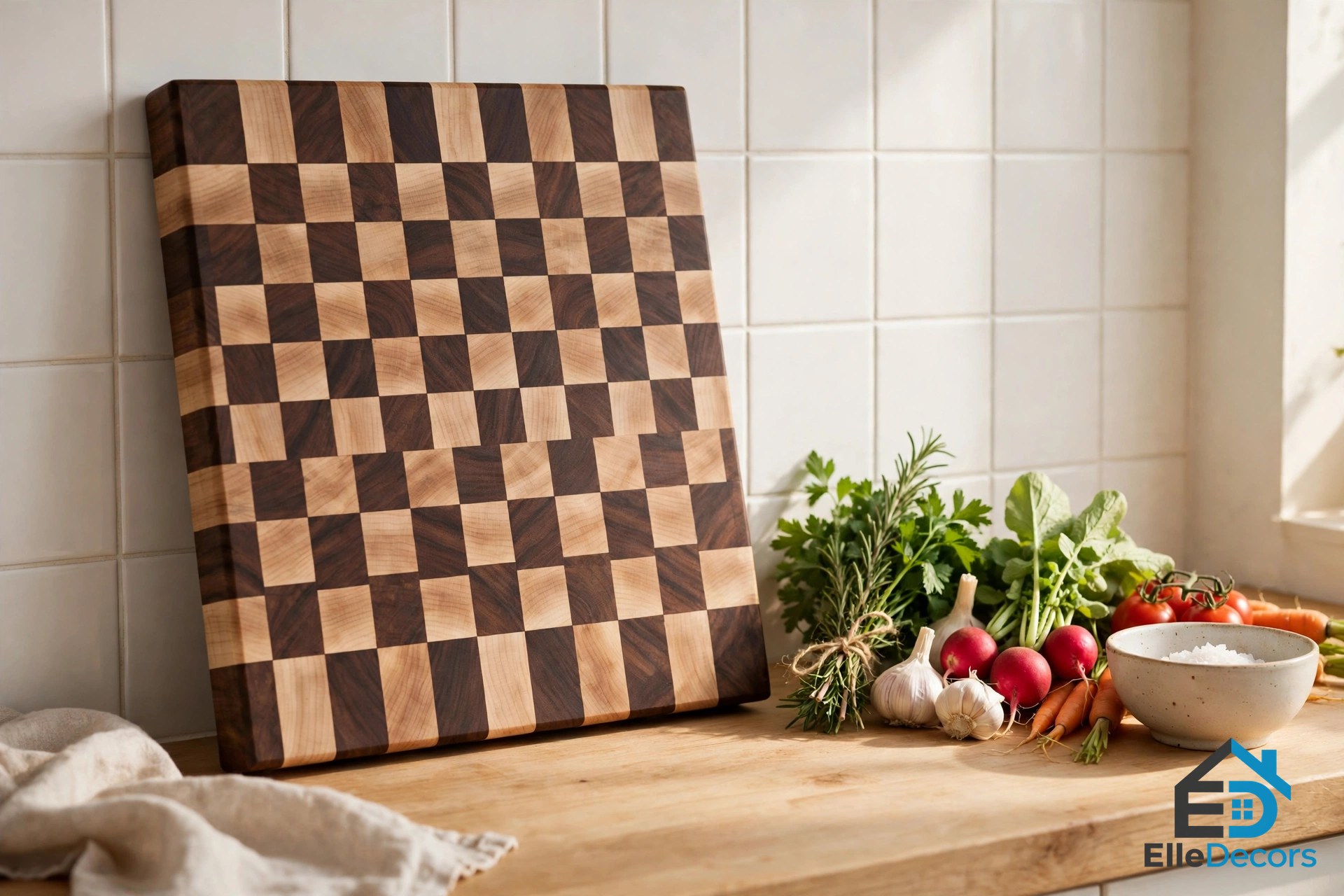
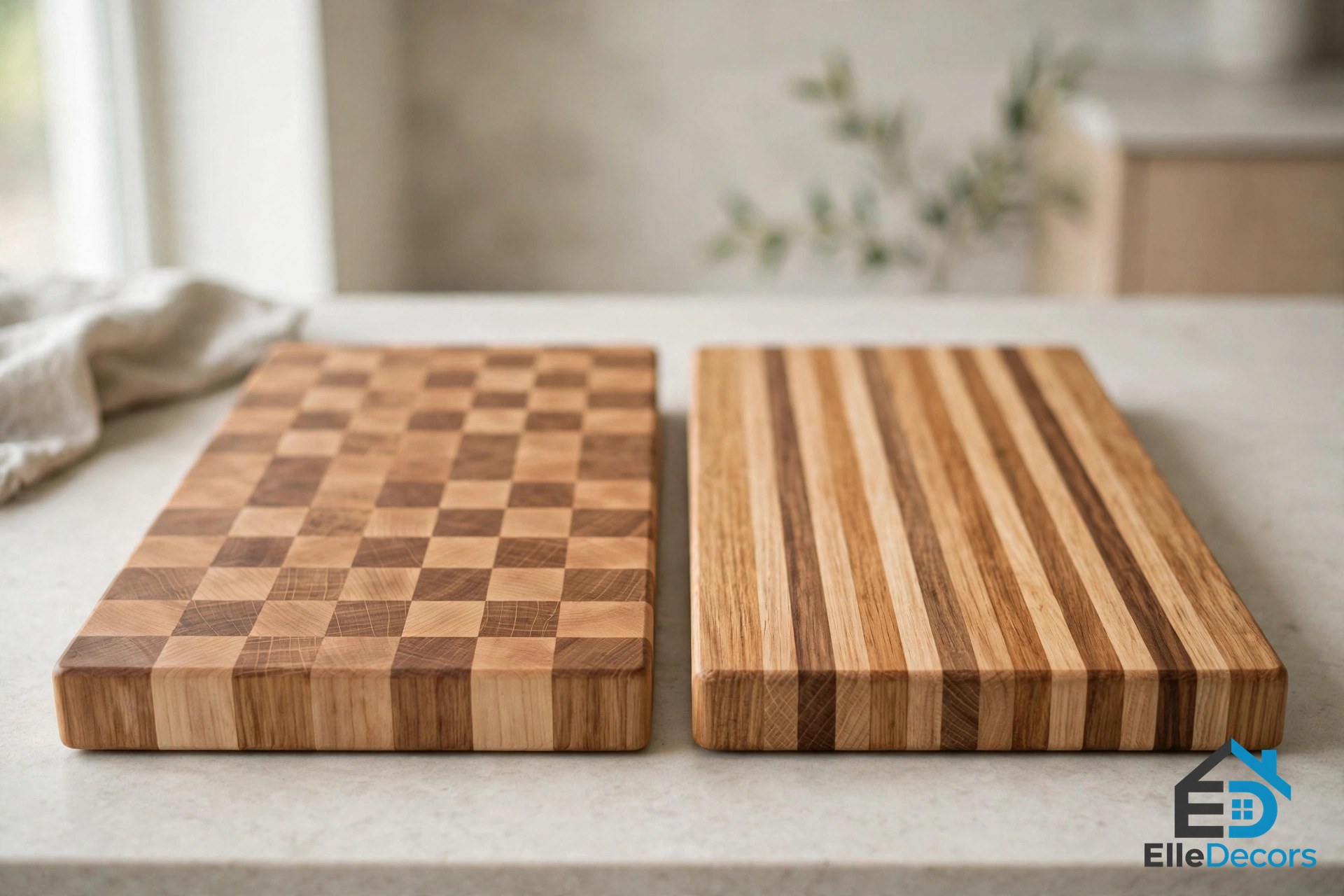
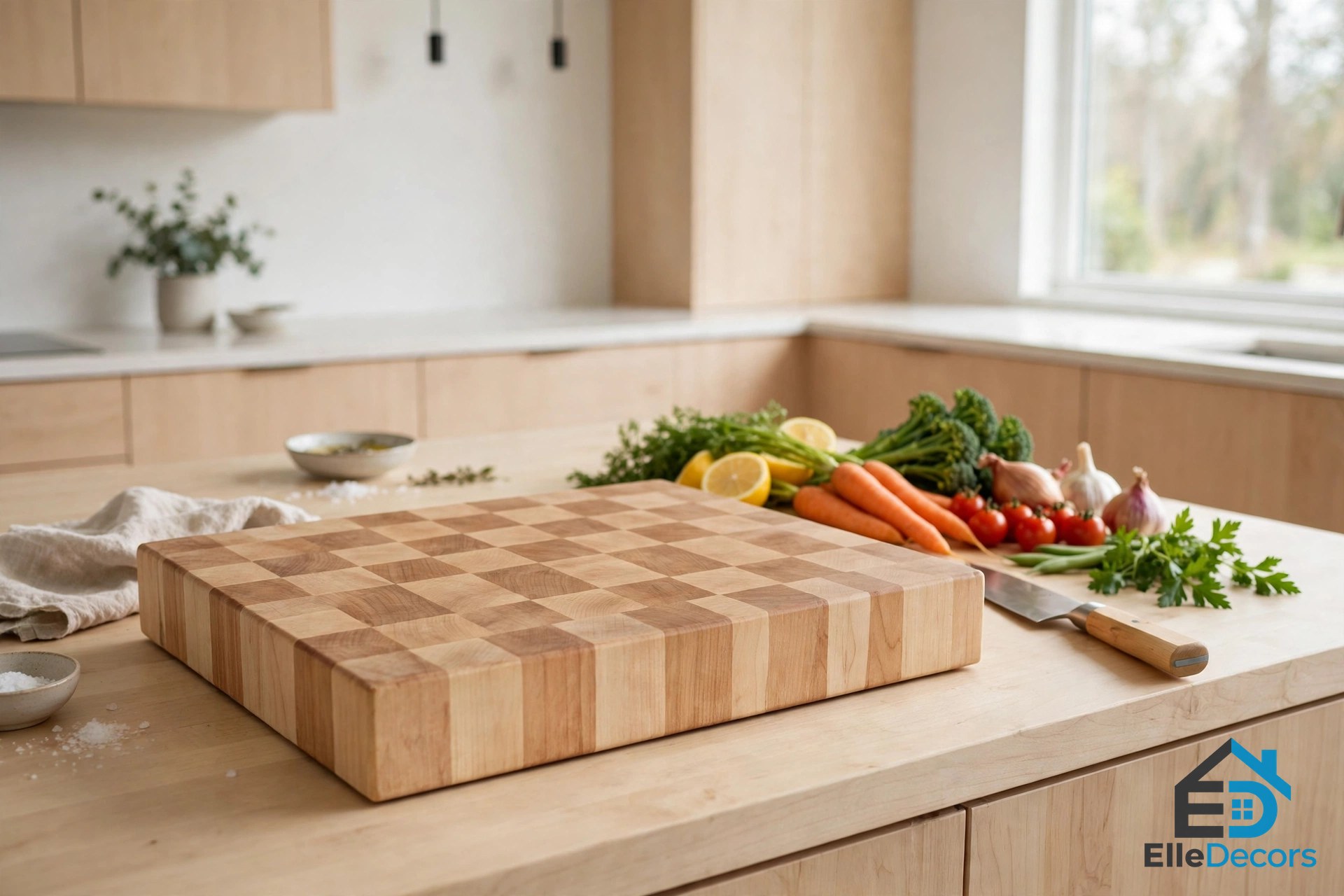
Grain direction is the single biggest factor in how a board performs. End-grain boards are made by gluing small blocks together with the cut ends facing up, giving the familiar checkerboard pattern. The fibres stand vertically, so a knife blade slips between them instead of slicing across them: the fibres part and close back up, so cut marks stay shallow and knives stay sharp longer. A premium end-grain board should be at least 1.25 inches thick, and 1.75 to 2 inches is ideal. That is why end-grain blocks are the standard in high end kitchens, where the board is part of the design as well as the prep.
Edge-grain boards are long strips glued side by side. They are lighter, cheaper, and more stable, absorbing less moisture and warping less — but every cut severs fibres, so marks show sooner and blades dull faster. End grain looks after your knives; edge grain looks after your budget.
Other Materials: Marble, Glass, Plastic and Composite
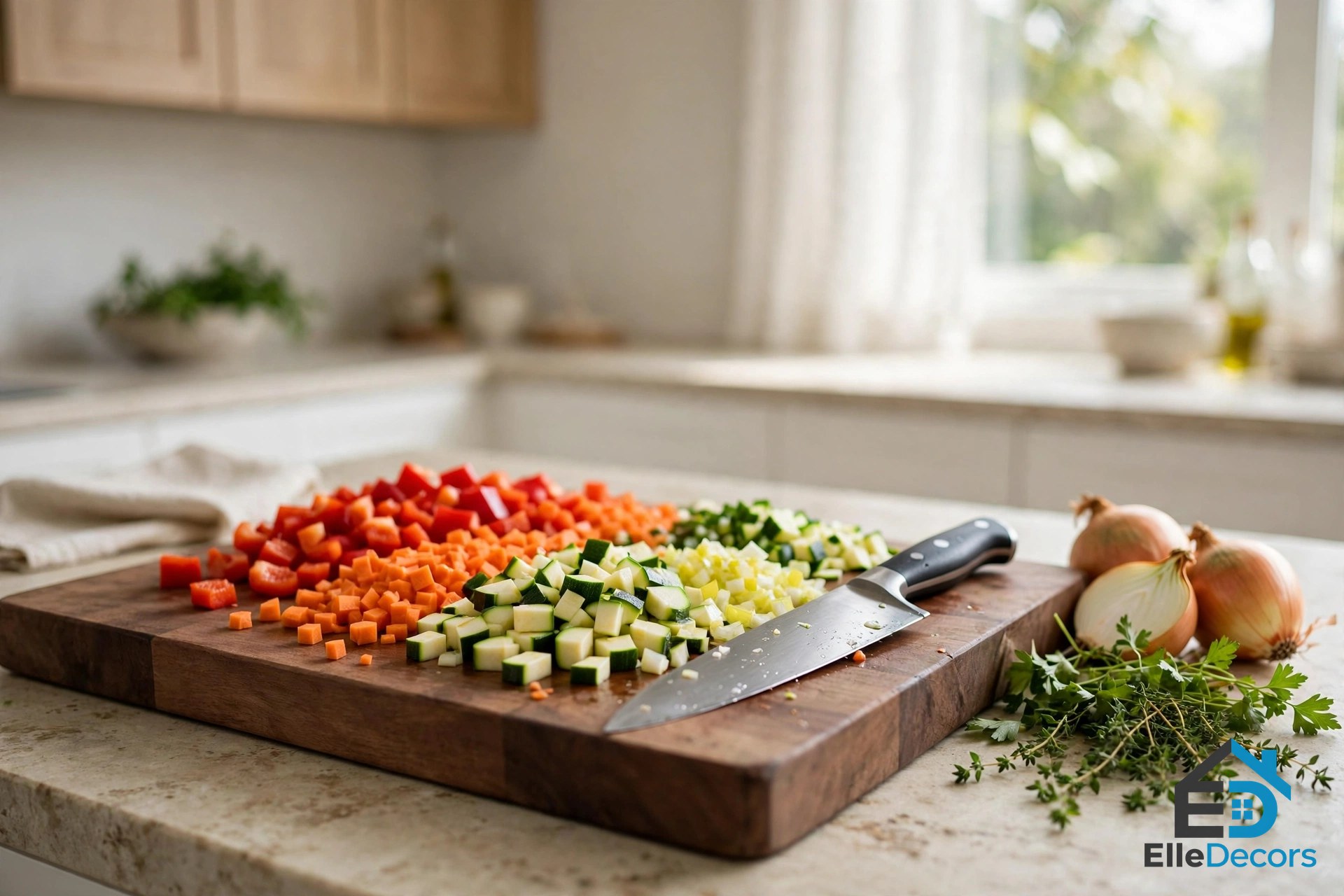
Marble looks beautiful and is excellent for rolling dough, because it stays cool, but it blunts knives over time and cannot handle acidic ingredients well — a serving and pastry surface, not a daily chopping board.
Plastic has one honest advantage: it goes in the dishwasher and is cheap enough to own several, so you can keep one board strictly for raw meat. The downside is deep knife grooves over time, which are hard to fully clean. Paper composite boards split the difference: thin, light, dishwasher safe, heat resistant, and kind to knives. Bamboo is harder on knife edges than true hardwoods — its compact fibres can fold a fine edge over and blunt it.
Food Safety: Two Boards, One Rule
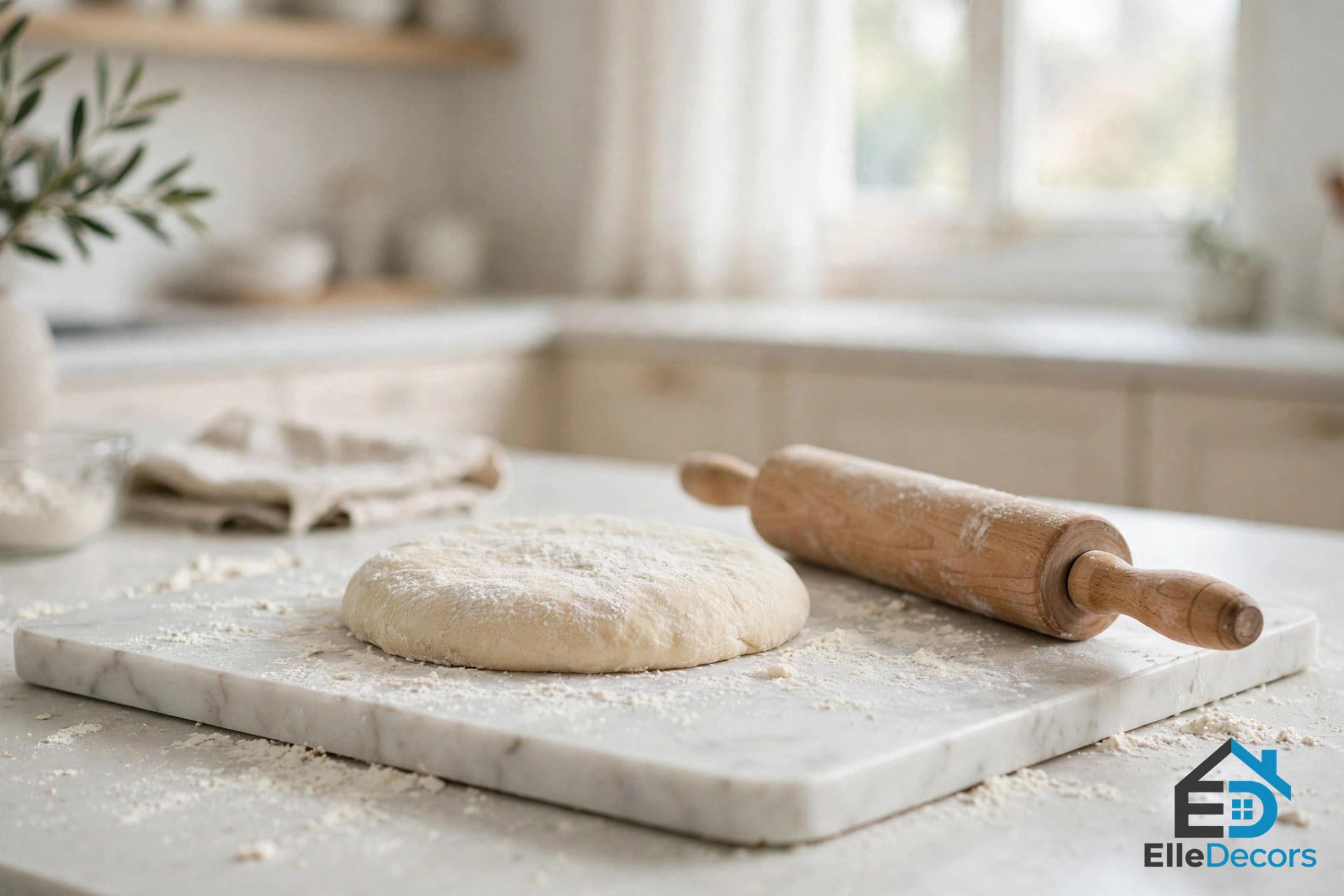
The US Department of Agriculture’s Food Safety and Inspection Service states it plainly: use one board for fresh produce and bread, and a separate board for raw meat, poultry and seafood, so bacteria from the raw-meat board cannot reach food that will not be cooked again. The USDA says you may use wood or a non-porous surface for raw meat.
Wash every board with hot, soapy water after each use, rinse, and air dry or pat dry. For a deeper clean, sanitise with one tablespoon of unscented liquid chlorine bleach per gallon of water, flood the surface, let it stand, then rinse and dry. Replace any board once it becomes excessively worn or develops hard-to-clean grooves.
Care: Wash, Dry, Oil
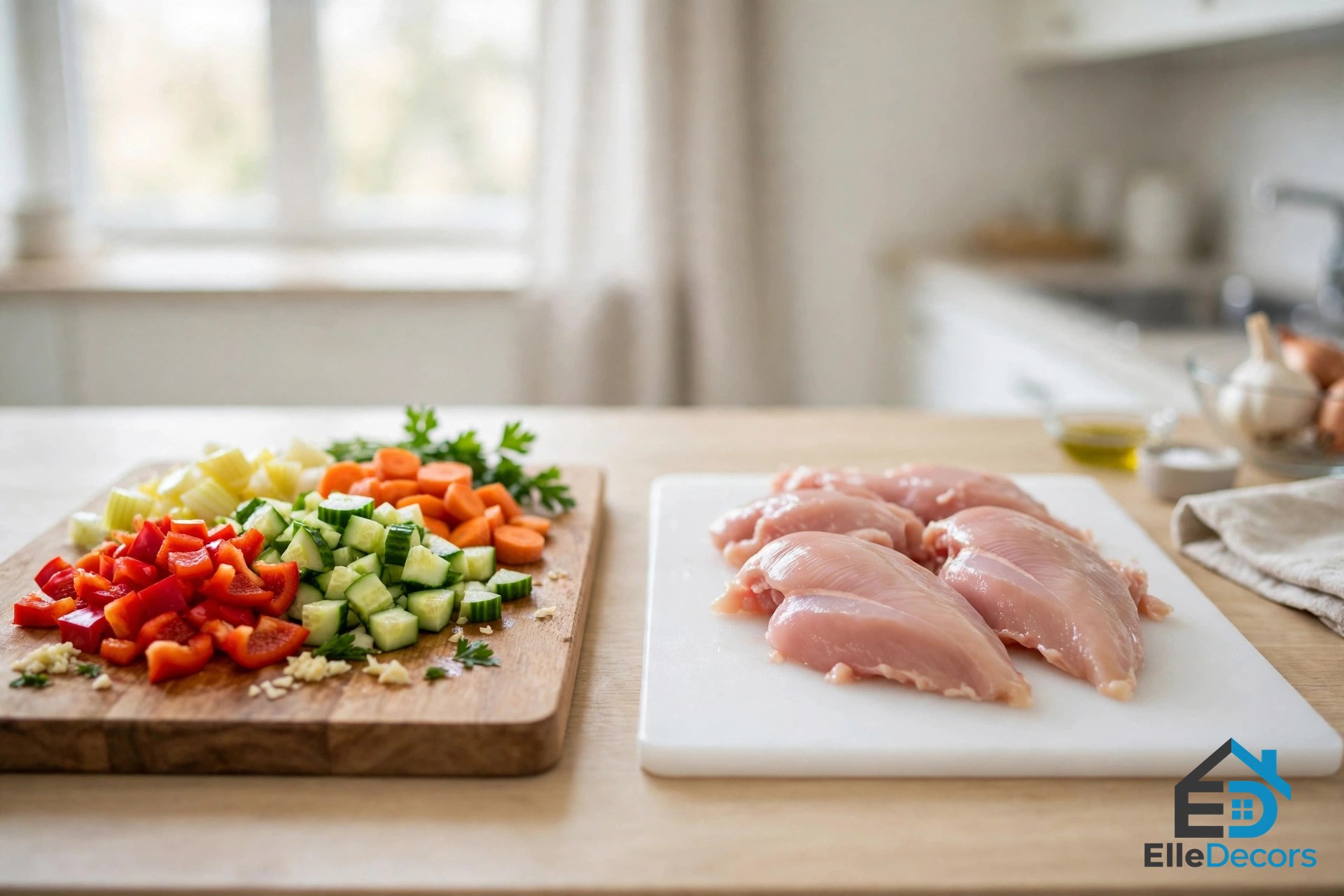
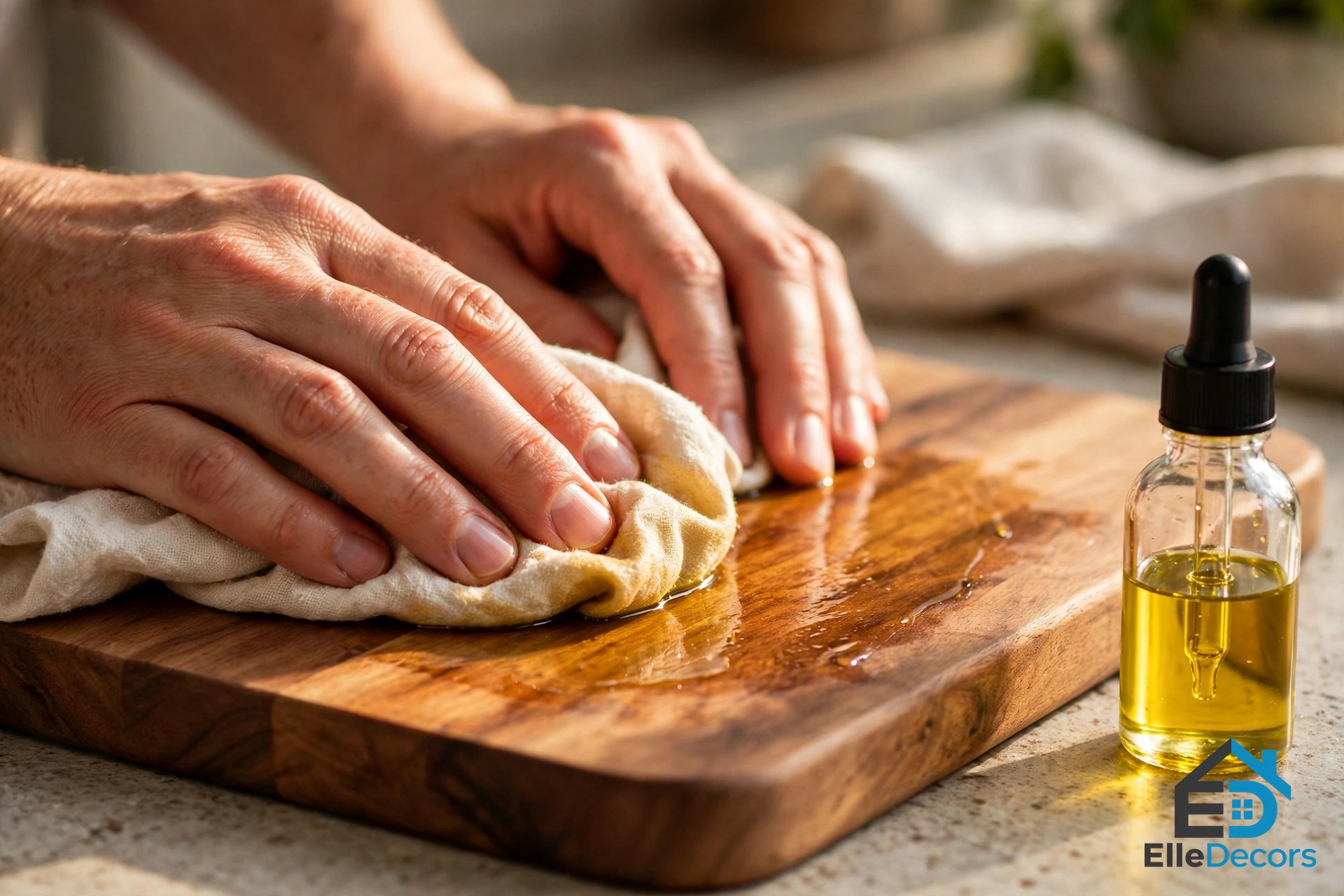
Wash it by hand with hot, soapy water after each use and dry it standing on edge, so air reaches both faces. Never soak it and never put it in the dishwasher: standing water and high heat warp and crack wood. Oil it every three to four weeks with food-grade mineral oil, rubbing it in with the grain and letting it soak overnight. End-grain boards drink oil faster, so they may need an extra coat in the first few months. A dry-looking board is asking for oil; a sour-smelling board is asking to be retired.
The 8 Picks, Grouped by Job
The eight picks below are the design chopping board shortlist for this guide, each checked on the page that sells it. One pick is left unlinked because its stock could not be confirmed. Prices are left out on purpose, since they change often.
The Classic Workhorse
John Boos RA Board End Grain Maple
The Boos block is the board every other board is measured against. John Boos has made butcher blocks since 1887, and this one is the most proven design chopping board in this guide. It is 24 by 18 inches and 2.25 inches thick, made from sustainably sourced, hand-selected solid northern hard maple in end-grain construction, with a reversible surface and recessed finger grips. The weight keeps it planted during heavy prep. Pick it when you want one board to do everything.
View the John Boos RA Board at Target
The Low-Maintenance Teak
Teakhaus Edge Grain Teak 24 x 18
The Teakhaus is the board for cooks who will not oil on a schedule. It is 24 by 18 inches and 1.5 inches thick, in edge-grain teak with hand grips carved into the ends, reversible with no juice groove, so both faces are full cutting area. Teak’s natural oils do much of the work mineral oil does on maple. Pick it when you want a beautiful hardwood board with the least upkeep.
View the Teakhaus Teak Board at Knife Merchant
The Dark Walnut Statement
Virginia Boys Kitchens End Grain Walnut, Large
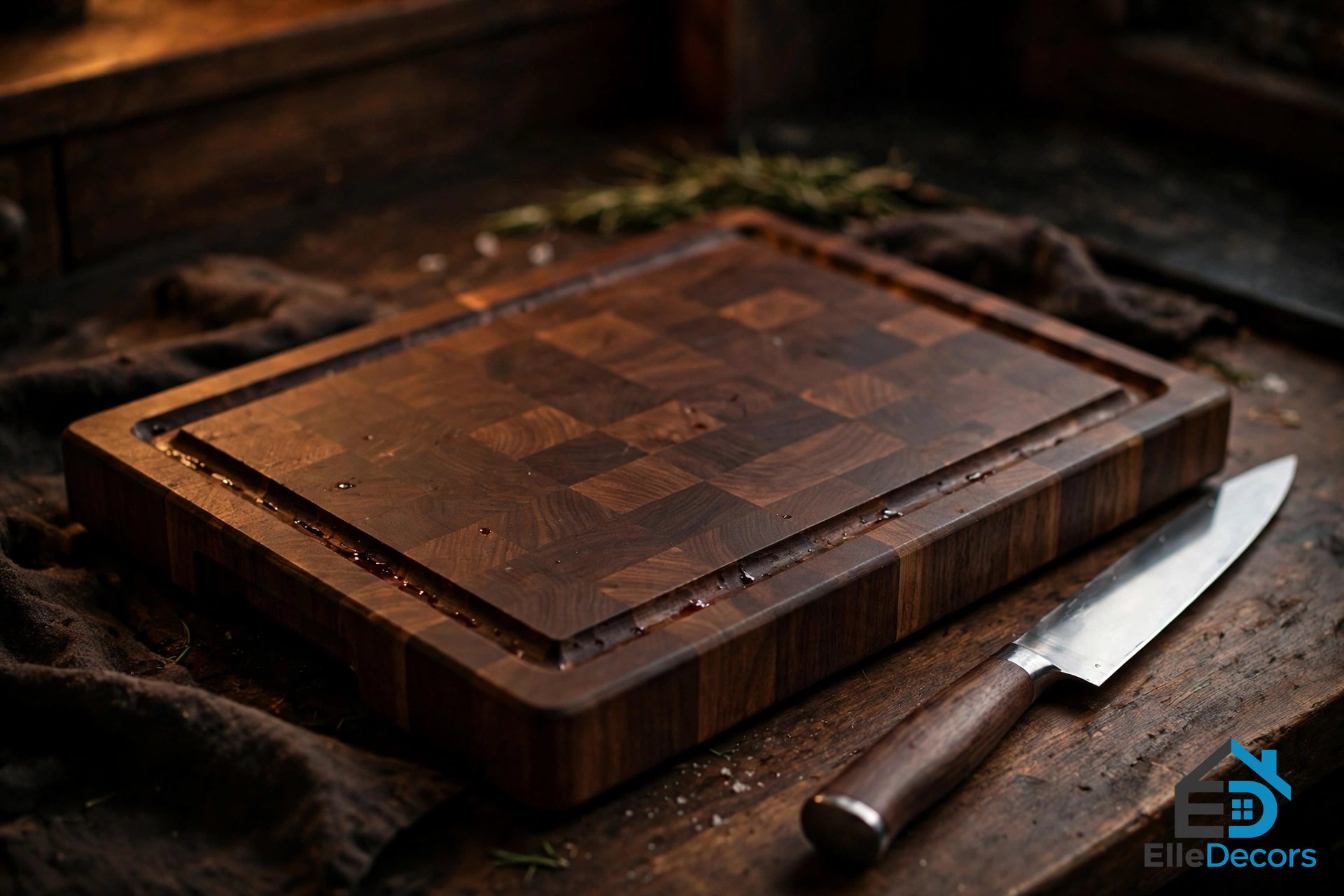
Virginia Boys Kitchens makes its boards from American black walnut in Virginia, and the large end-grain board is the one to buy. It is 20 by 15 inches and 1.75 inches thick, with a chessmaster checkerboard pattern that hides stains far better than pale maple. It weighs about 8 pounds and is reversible: one face for prep, one for serving. The wood is 100 percent sustainable walnut, the board is made entirely in the USA, and the maker covers it with a one-year warranty. Pick it when you want the dark, moody board that works every day.
View the Virginia Boys Kitchens Walnut Board on Amazon
The Acacia Carver
Ironwood Gourmet Charleston End Grain Acacia
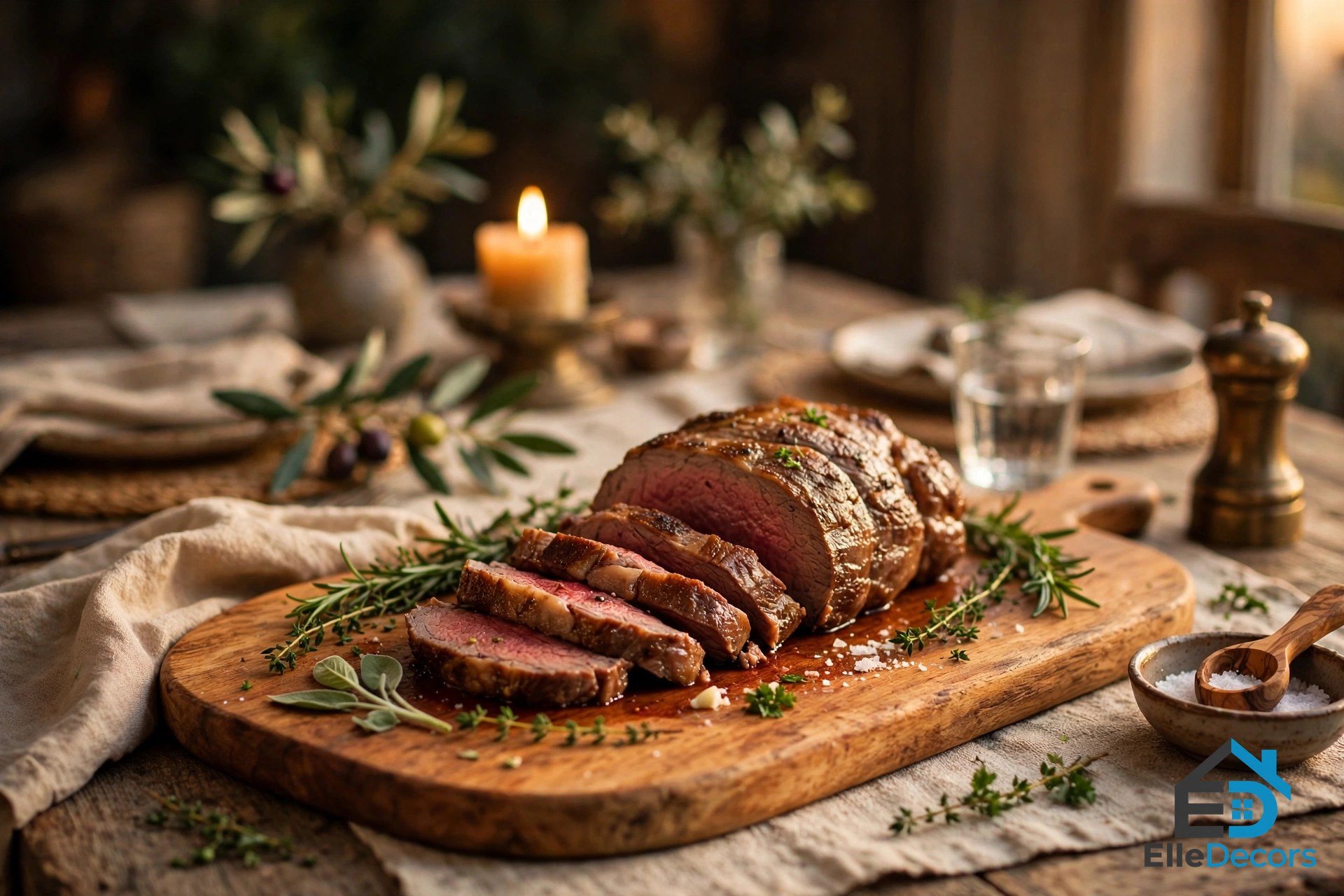
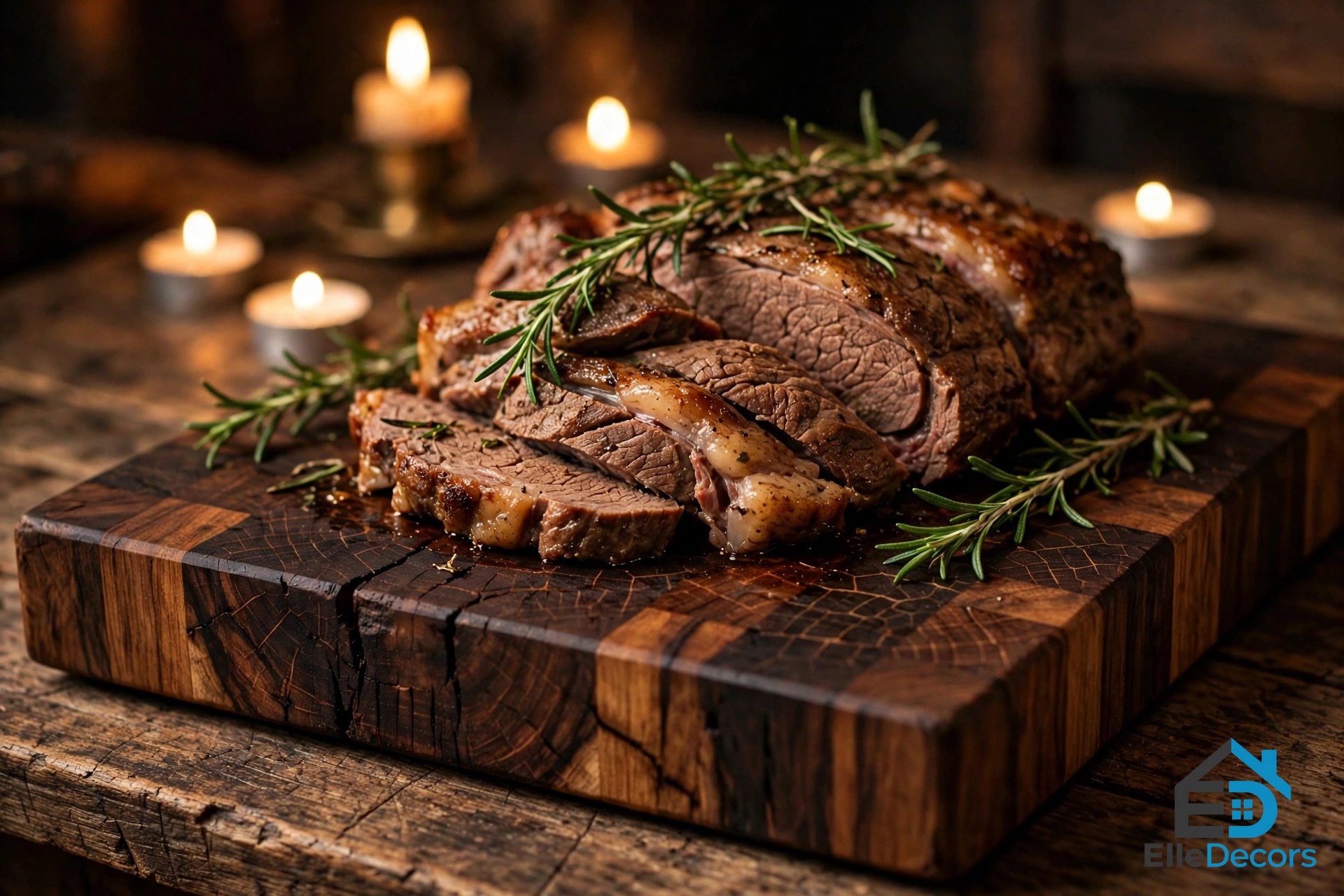
The Charleston is the carving board that earns its place at the table. Ironwood Gourmet has worked in acacia since 2002, and this board shows why the wood photographs so well: deep, dark contrasting grain with a natural shimmer, in an end-grain build that is kind to knives. It is 20 by 14 inches and about 1.13 inches thick, weighs 6.6 pounds, and has a juice channel that holds up to 10 fluid ounces. Pick it when the board’s main job is carving roasts.
View the Ironwood Gourmet Charleston Board on Amazon
The Roast-Day Board
J.K. Adams x ThermoWorks Maple Carving Board
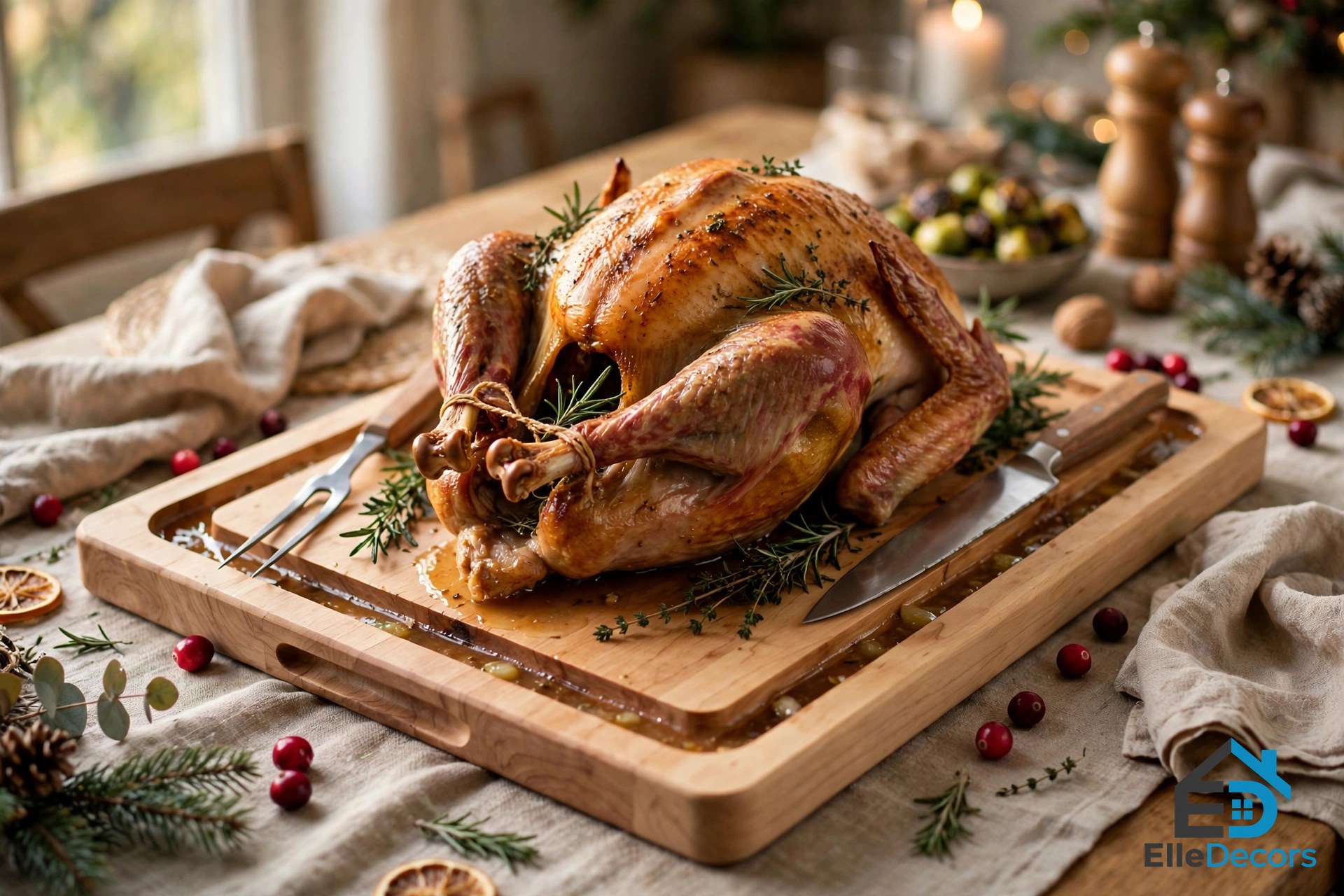
This board exists because America’s Test Kitchen picked the J.K. Adams carving board as its winner, and ThermoWorks asked the Vermont maker to build an exclusive version. The standard size is 20 by 14 inches and 1.25 inches thick, in sustainably harvested North American maple, reversible with a job for each side: one flat side for carving and chopping, and one poultry-shaped side that cradles a turkey. Deep juice trenches run around both faces, and finger grooves make a heavy board easy to lift. Grain orientation is not stated on the maker’s page. Pick it when roast day is the board’s biggest job of the year.
View the J.K. Adams Carving Board at ThermoWorks
The Folding Trick
Joseph Joseph Chop2Pot Plus, Large
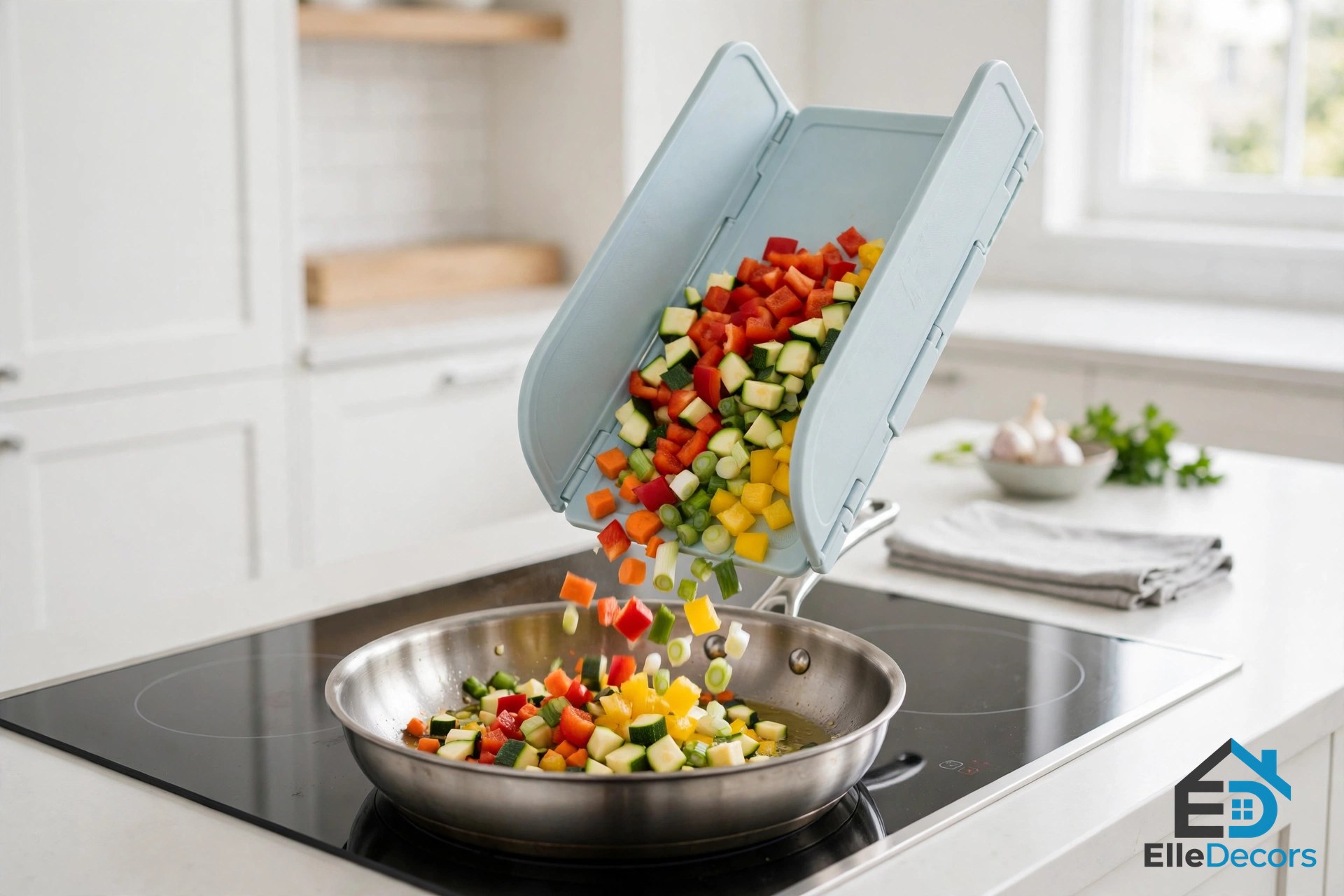
The Chop2Pot is the only board here that folds, and it is the cleverest piece of design in the guide. Laid flat it is a normal knife-friendly cutting surface; squeeze the soft-grip handle and the sides fold up into a chute, so chopped food pours straight into the pan. The large size is 17.75 by 10.25 inches, in polypropylene with thermoplastic rubber feet and handle grip, and it is dishwasher safe with non-slip feet. Pick it when your kitchen is small and you are tired of chasing diced onion across the worktop.
View the Joseph Joseph Chop2Pot Plus at the MoMA Design Store
The One-Hander
Larch Wood Canada Large One Hander
Larch Wood Canada has made nothing but end-grain boards from Eastern Canadian larch since 2003, and the Large One Hander is its most practical shape. It is 15 by 9.5 inches and 1.25 inches thick, weighs 4.3 pounds, and is light enough to pick up with one hand while the other holds the pan. The end-grain larch shows bold, varied growth-ring patterns, so no two boards look alike. Pick it when you want a smaller board that moves around the kitchen with you.
View the Larch Wood Large One Hander at Larch Wood Canada
The Slim Everyday Board
Epicurean Kitchen Series 17.5 x 13
The Epicurean is the board for cooks who want wood’s looks without wood’s routine. It is 17.5 by 13 inches and only a quarter of an inch thick, made from layers of paper composite pressed with resin, and it weighs just 2.2 pounds. It is NSF certified for food contact, dishwasher safe, heat resistant to 350 degrees Fahrenheit, and kind to knives. This pick is left unlinked: its specs were verified, but no stock was shown at research time. Pick it when you want a slim, light, wash-and-go board.
Display and Storage
A design chopping board earns its place on display. Lean it against the backsplash, or stand it upright in a rack so air reaches both faces. A board on display pairs naturally with warm metals, and copper kitchen accessories pick up the same tones as walnut and cherry. Keep boards away from the stove, where heat dries the wood.
All 8 Picks at a Glance
Use this design chopping board comparison to narrow the list, then measure your counter before you buy.
| Board | Material | Grain | Size | Best For |
|---|---|---|---|---|
| John Boos RA Board | Maple | End grain | 24 x 18 x 2.25 in | Heavy daily prep |
| Teakhaus Teak | Teak | Edge grain | 24 x 18 x 1.5 in | Low-maintenance daily use |
| Virginia Boys Kitchens | Walnut | End grain | 20 x 15 x 1.75 in | Everyday prep and serving |
| Ironwood Gourmet Charleston | Acacia | End grain | 20 x 14 x 1.13 in | Carving roasts |
| J.K. Adams x ThermoWorks | Maple | Not stated | 20 x 14 x 1.25 in | Roast day carving |
| Joseph Joseph Chop2Pot Plus | Polypropylene | N/A (plastic) | 17.75 x 10.25 in | Small kitchens, easy transfer |
| Larch Wood Large One Hander | Larch | End grain | 15 x 9.5 x 1.25 in | One-handed prep |
| Epicurean Kitchen Series | Paper composite | N/A (composite) | 17.5 x 13 x 0.25 in | Everyday, dishwasher safe |
Frequently Asked Questions
What makes a design chopping board different from a regular cutting board?
A design chopping board earns the name when the board is chosen for how it looks as well as how it cuts: species, grain pattern, shape, and finish are all part of the decision. A regular cutting board is bought on size and price alone. A design-led board still has to do the work, but it is also the board you leave out on display.
Is end grain or edge grain better?
End grain is better for your knives and hides cut marks, because the fibres part for the blade and close back up. It costs more, weighs more, and needs oiling more often. Edge grain is lighter, cheaper, and more stable, and it is fine for light daily prep. For daily chopping, end grain is the better board.
Which wood is best for a chopping board?
Maple is the safest all-round choice: hard, durable, and gentle on knives. Walnut is the best-looking and the easiest on fine edges, and it hides stains. Teak needs the least care because of its natural oils. Avoid softwoods such as pine and cedar, and avoid bamboo for heavy chopping, since its compact fibres can fold a fine knife edge over.
Can I put a wooden chopping board in the dishwasher?
No. High heat and harsh detergents warp and crack wood, and a laminated board can split. Wash a wooden board by hand with hot, soapy water, rinse, and dry it standing on edge. Plastic and paper-composite boards are the dishwasher-safe options.
When should I replace a chopping board?
Replace any board once it becomes excessively worn or develops hard-to-clean grooves, which is the USDA’s own rule. Deep grooves trap food and bacteria where no scrubbing can reach them. A board with shallow knife marks is fine; a board with grooves you can feel with a fingernail is finished.
The Bottom Line
The right board disappears into your cooking routine: it holds still under the knife, it cleans up in a minute, and it looks like it belongs on the counter when the cooking is done. Start with the wood and the grain, then pick the size your counter can carry — and if you buy one good board this year, make it the right design chopping board for the way you actually cook, whether that is a heavy maple block or a folding board that pours straight into the pan. Oil it monthly, and it will be the piece your kitchen never had to apologise for.