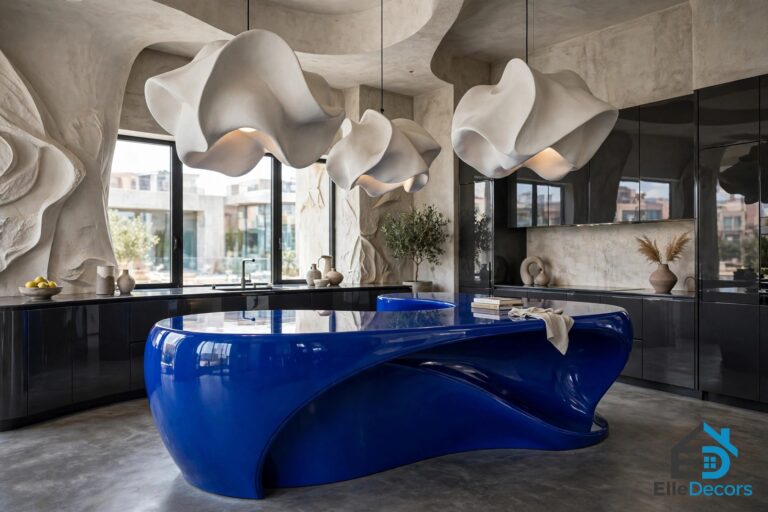
Italian Kitchen Cabinets: Traditional Craft, Modern Lines, and How to Choose
Audio Summary
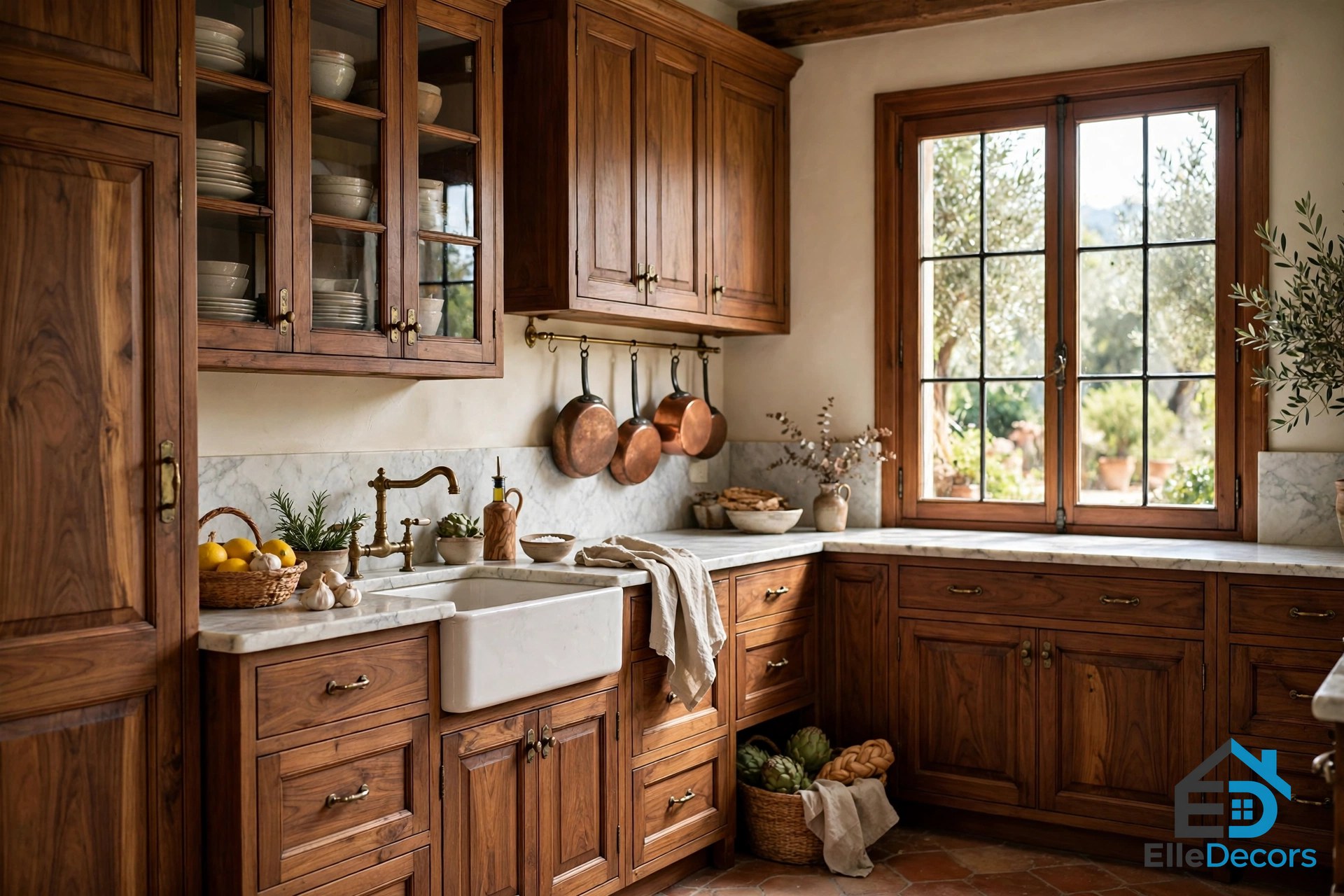
A italian kitchen cabinets search pulls in two very different kitchens. One is warm and hand-finished: walnut doors with visible grain, ornate brass pulls, open shelves of ceramics, and a marble worktop that has seen decades of family meals. The other is cool and precise: handleless matte doors, a steel worktop, and not a visible hinge anywhere. Both are Italian, both are built to last, and the choice between them decides the whole character of the room. This guide covers both traditions, the materials and hardware that define them, the makers behind the craft, and how to choose without regret.
Italian Kitchen Cabinets: Two Traditions, One Craft
Italian cabinetmaking grew out of two places at once: the farmhouse kitchens of Tuscany, where wood was worked by hand and nothing was thrown away, and the furniture district of Brianza, between Milan and Como, where workshops turned cabinetmaking into an industrial art. The traditional side keeps the farmhouse spirit — solid wood, raised panels, carved details, and finishes that age gracefully. The modern side keeps the Brianza discipline — precise engineering, hidden storage, and materials chosen for how they perform, not just how they look. What unites them is a refusal to treat the kitchen as a set of boxes: in both traditions, the cabinets are the furniture of the room, and the room is designed around them.
The Traditional Italian Kitchen
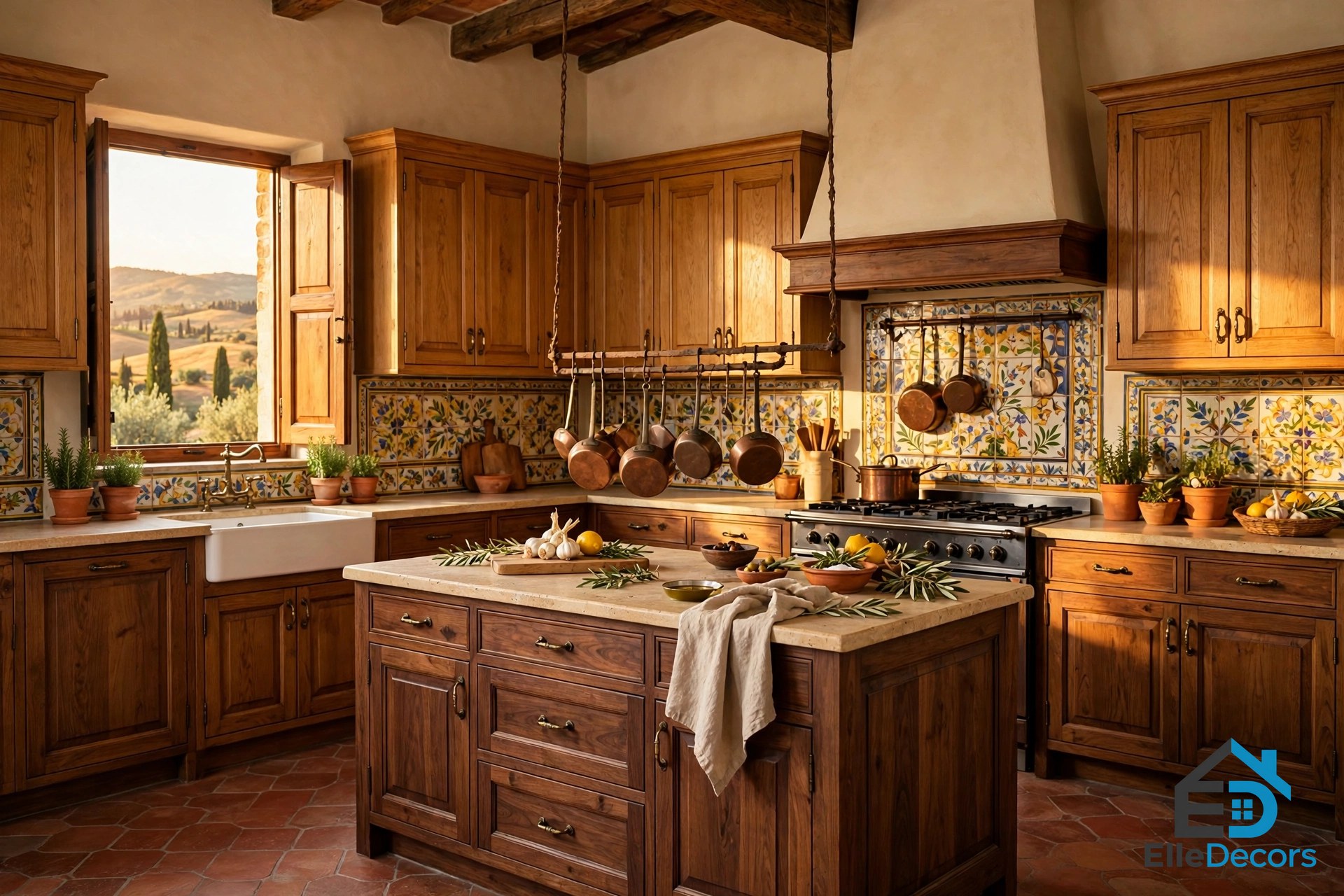
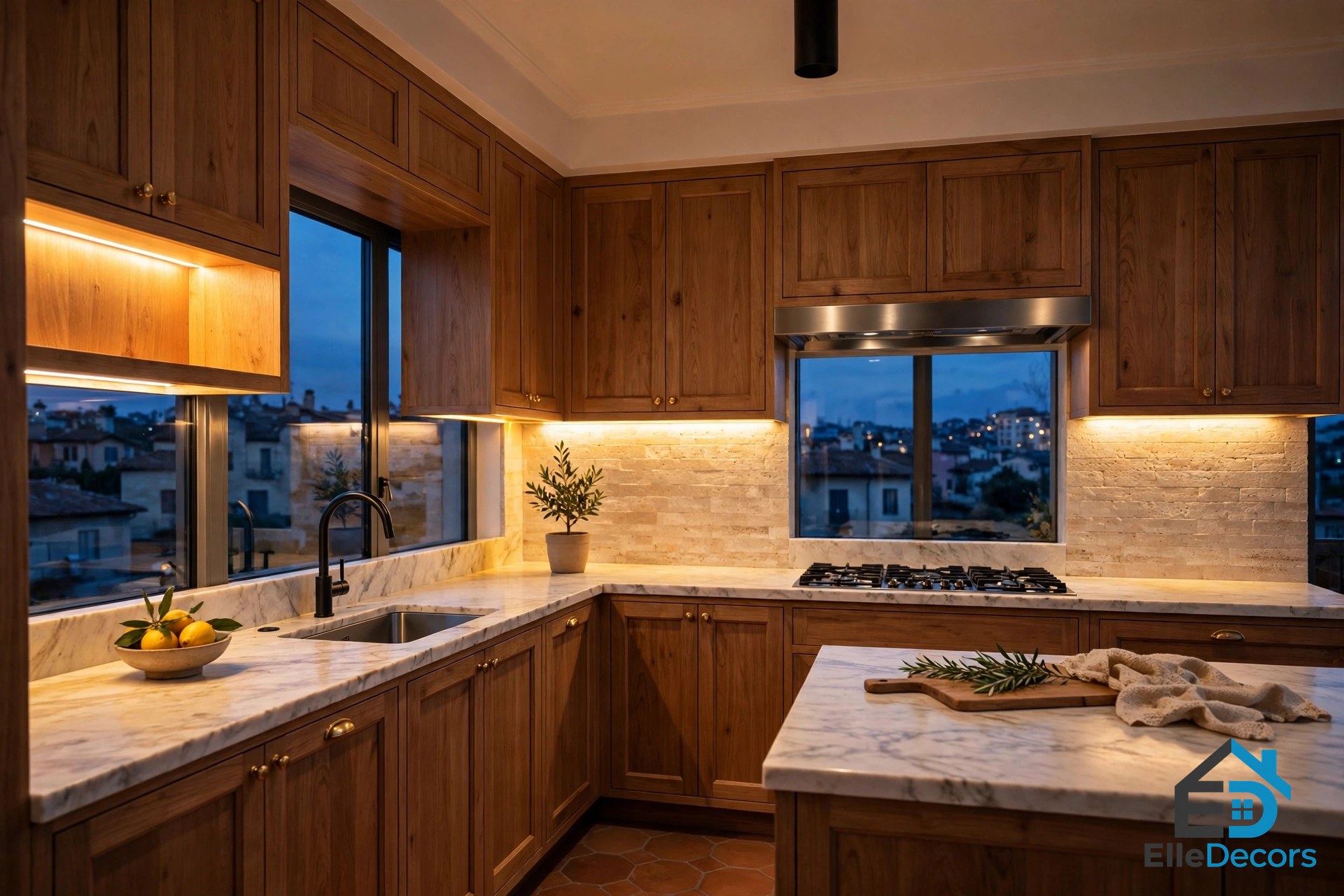
The traditional Italian kitchen is a room that has been cooked in, and it shows — in the best way. The source gallery for this guide, a set of traditional Italian kitchens from European Cabinets, shows the same notes again and again: warm wood, honest materials, and details that were made to be touched.
Warm Woods and Raised Panels
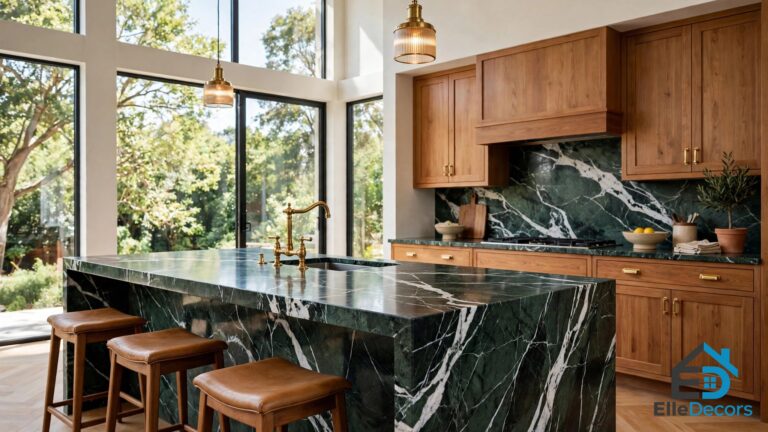
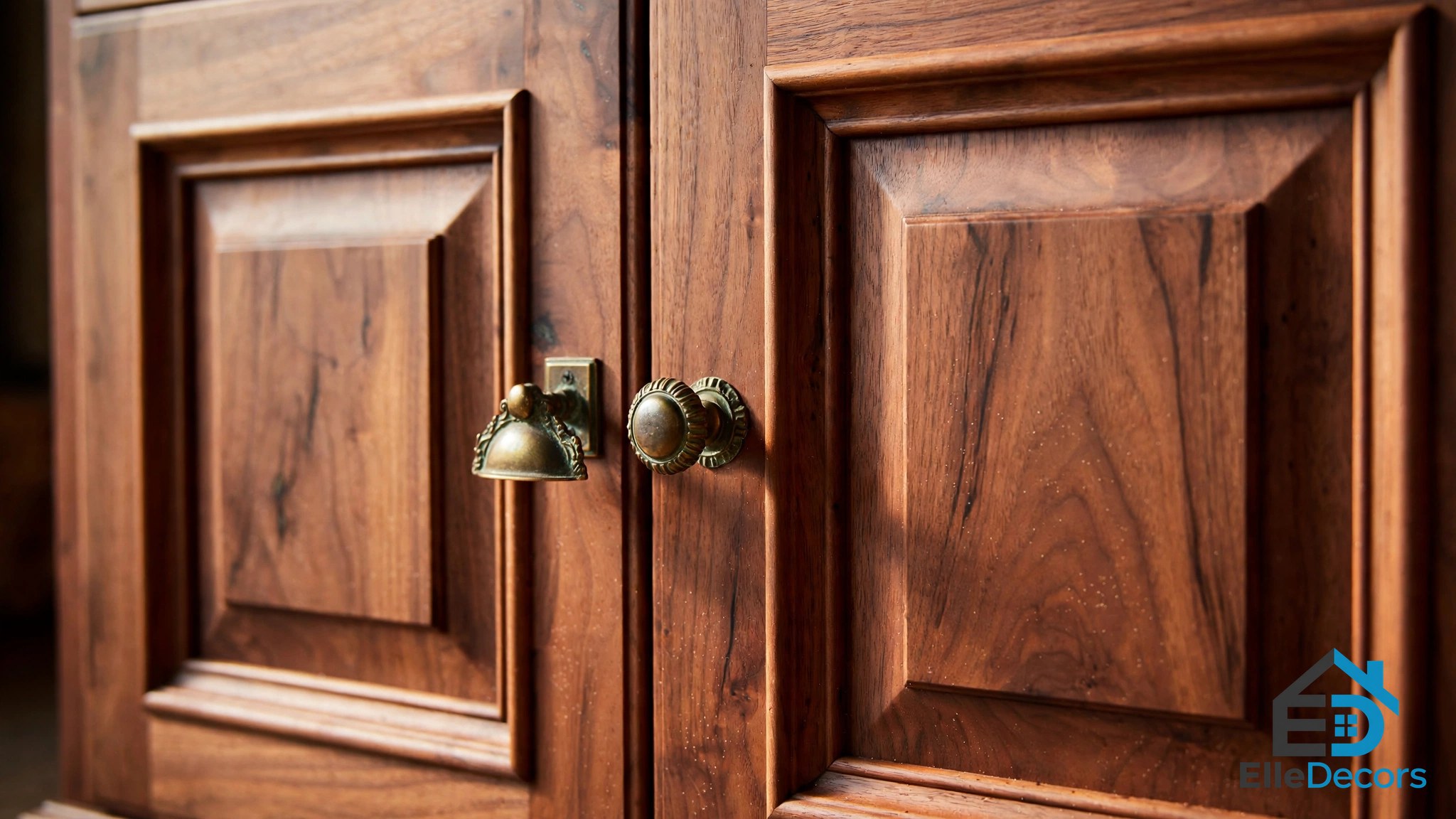
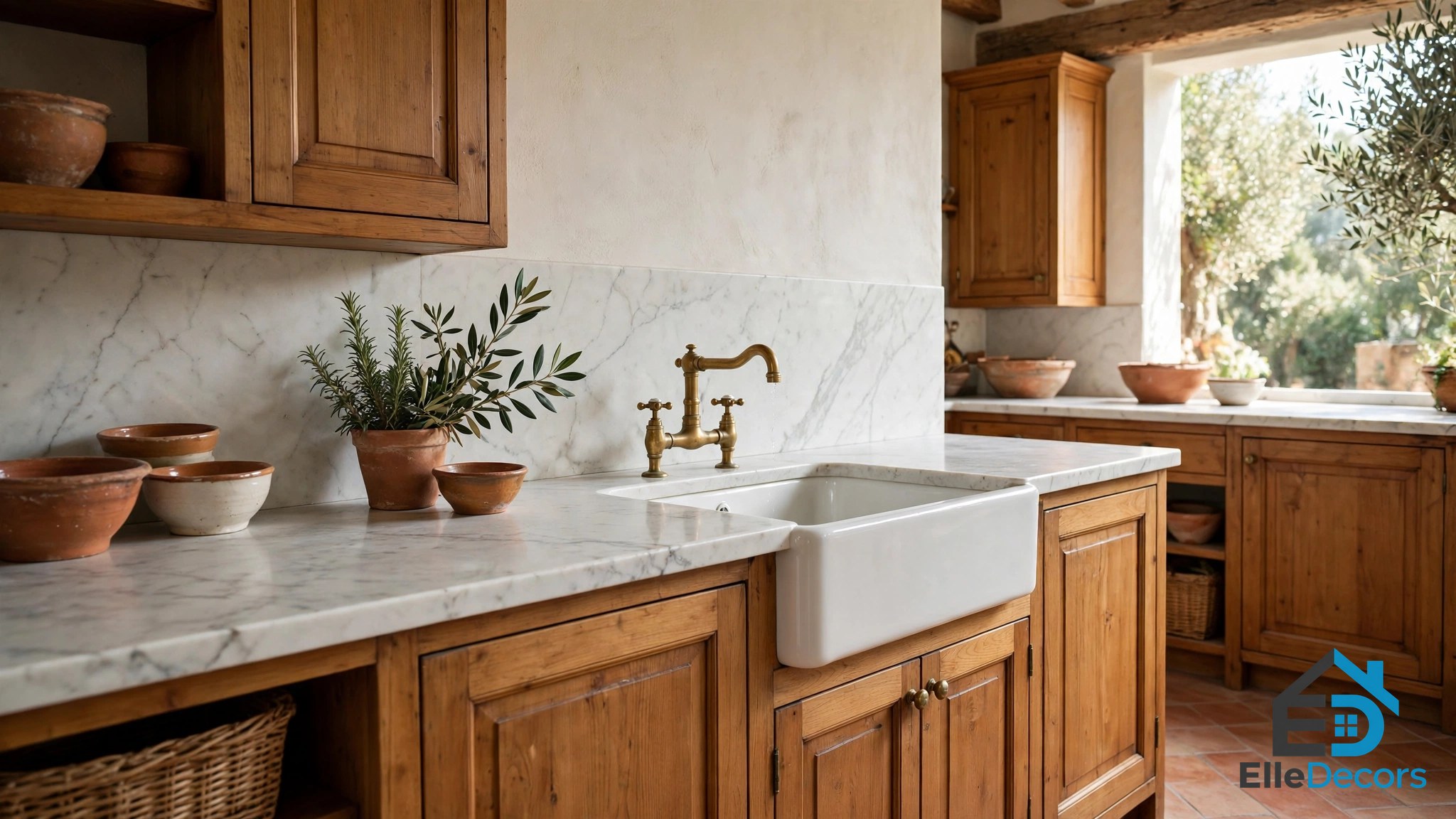
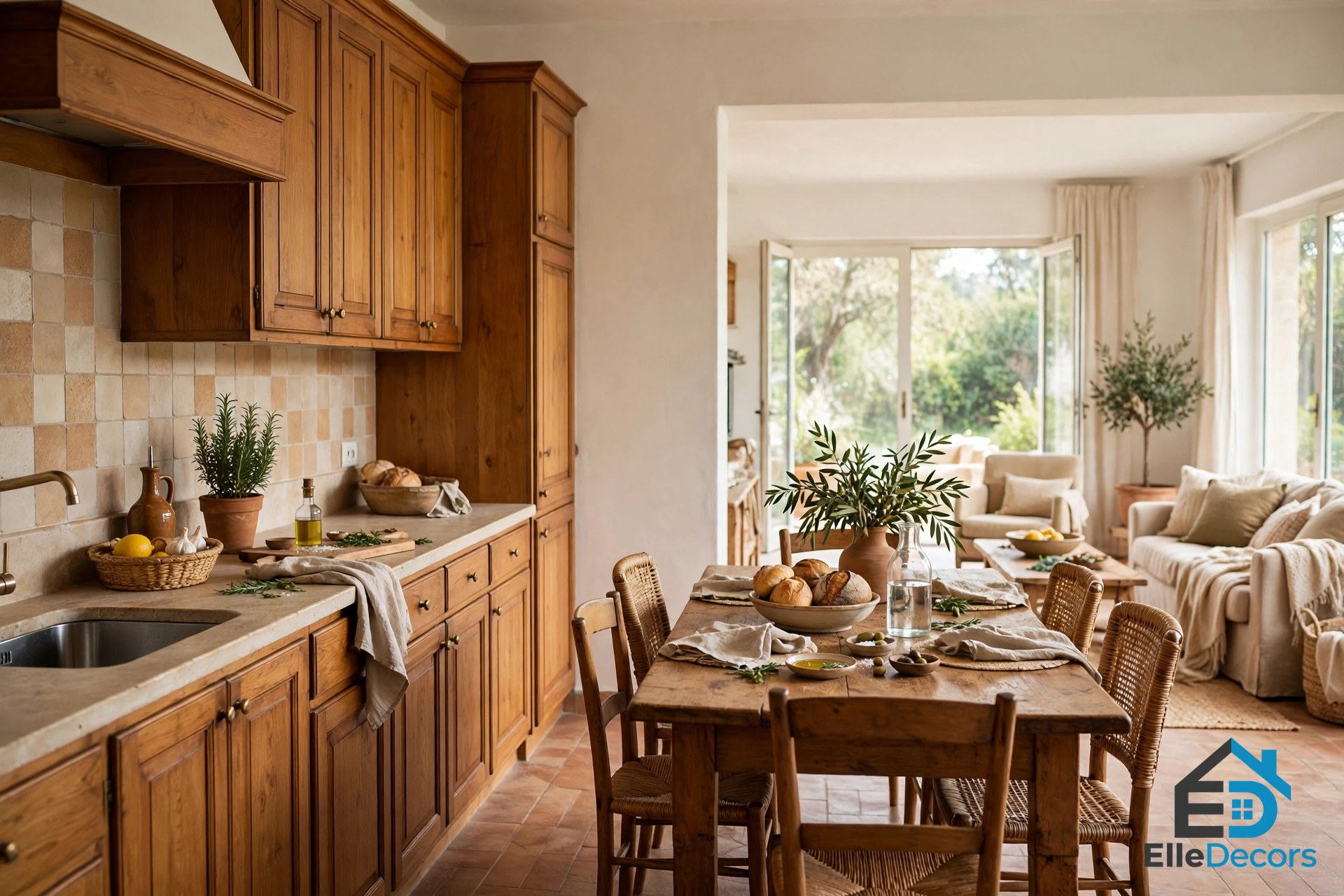
Traditional cabinets are built from solid wood or wood veneer with a visible grain: walnut, cherry, and oak are the classic choices, in rich reddish-brown tones that give a Tuscan feel. Doors are usually raised-panel or framed, with the panel sitting proud of the frame so light catches the edges. Exposed hinges, decorative rosettes, and carved corbels are part of the language, not add-ons. A distressed finish with a weathered patina suits a farmhouse scheme, while a polished walnut with a clear lacquer suits a more formal traditional room.
Ornate Hardware and Open Shelving
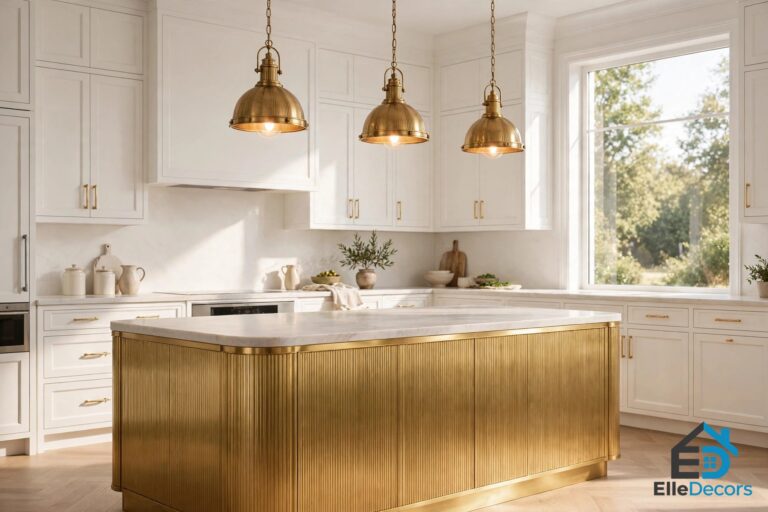
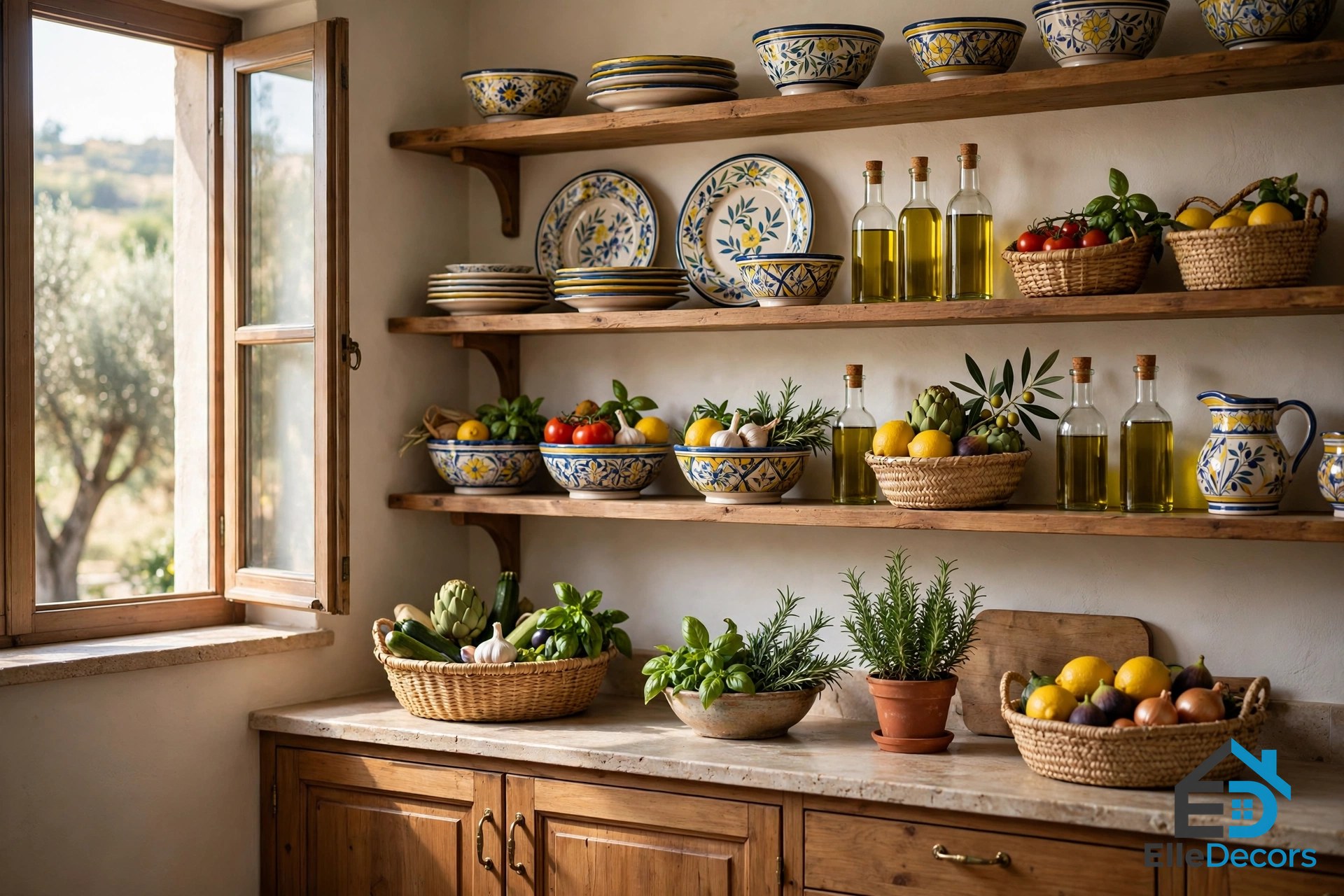
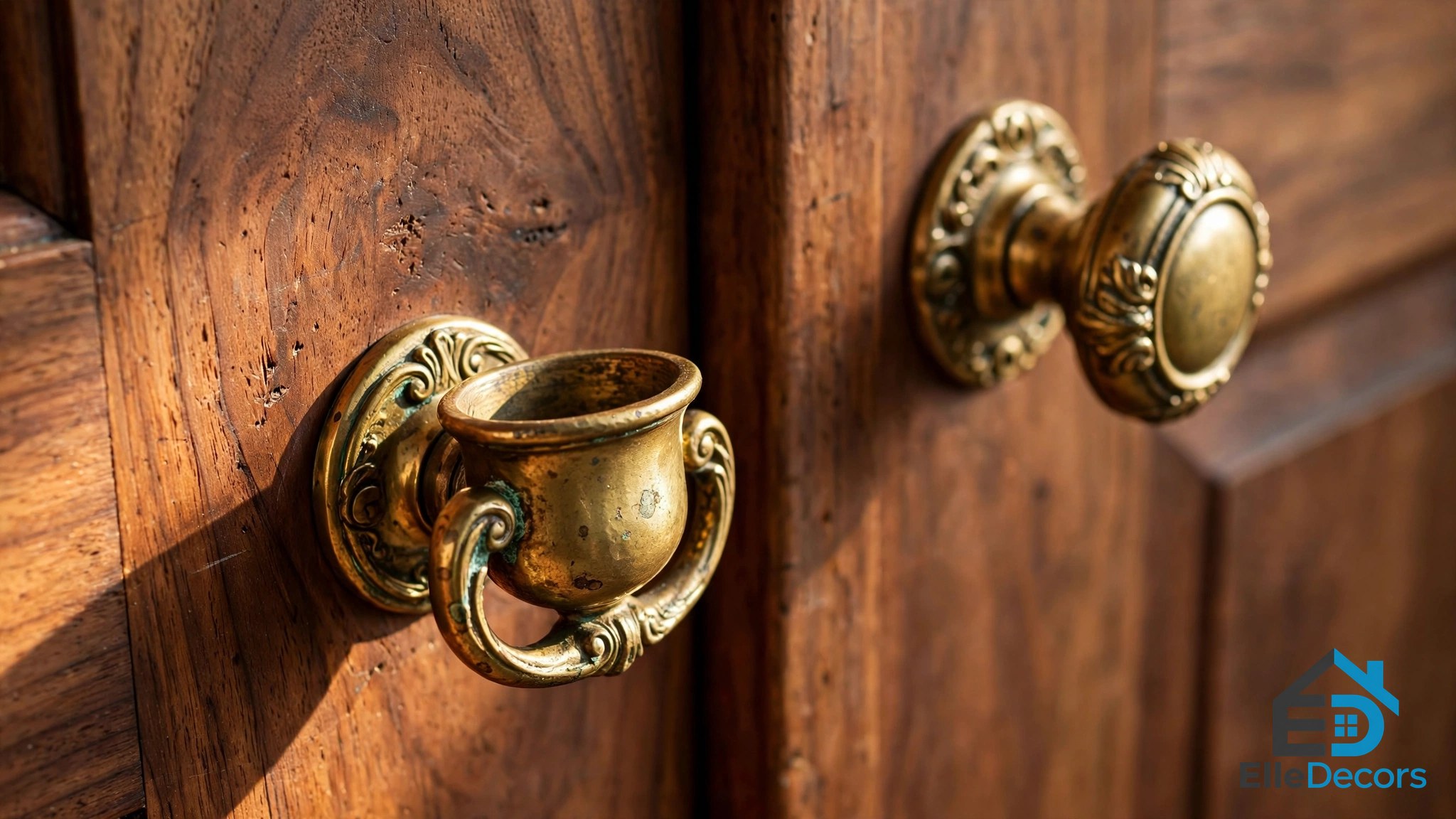
Hardware is where the traditional kitchen shows its personality. Ornate pulls and knobs in brass, bronze, or aged iron — often with a hand-finished patina — sit on every door and drawer. Cup pulls on drawers and drop handles on deep drawers are the classic pairings. Open shelving is equally characteristic: a run of open shelves displays decorative ceramics, olive oil bottles, baskets, and fresh produce, and it breaks up long runs of closed cabinets so the kitchen feels lived in rather than fitted. Keep the shelves to things you actually use and love; a shelf of unused ornaments reads as clutter within a week.
Marble, Terracotta, and Tile
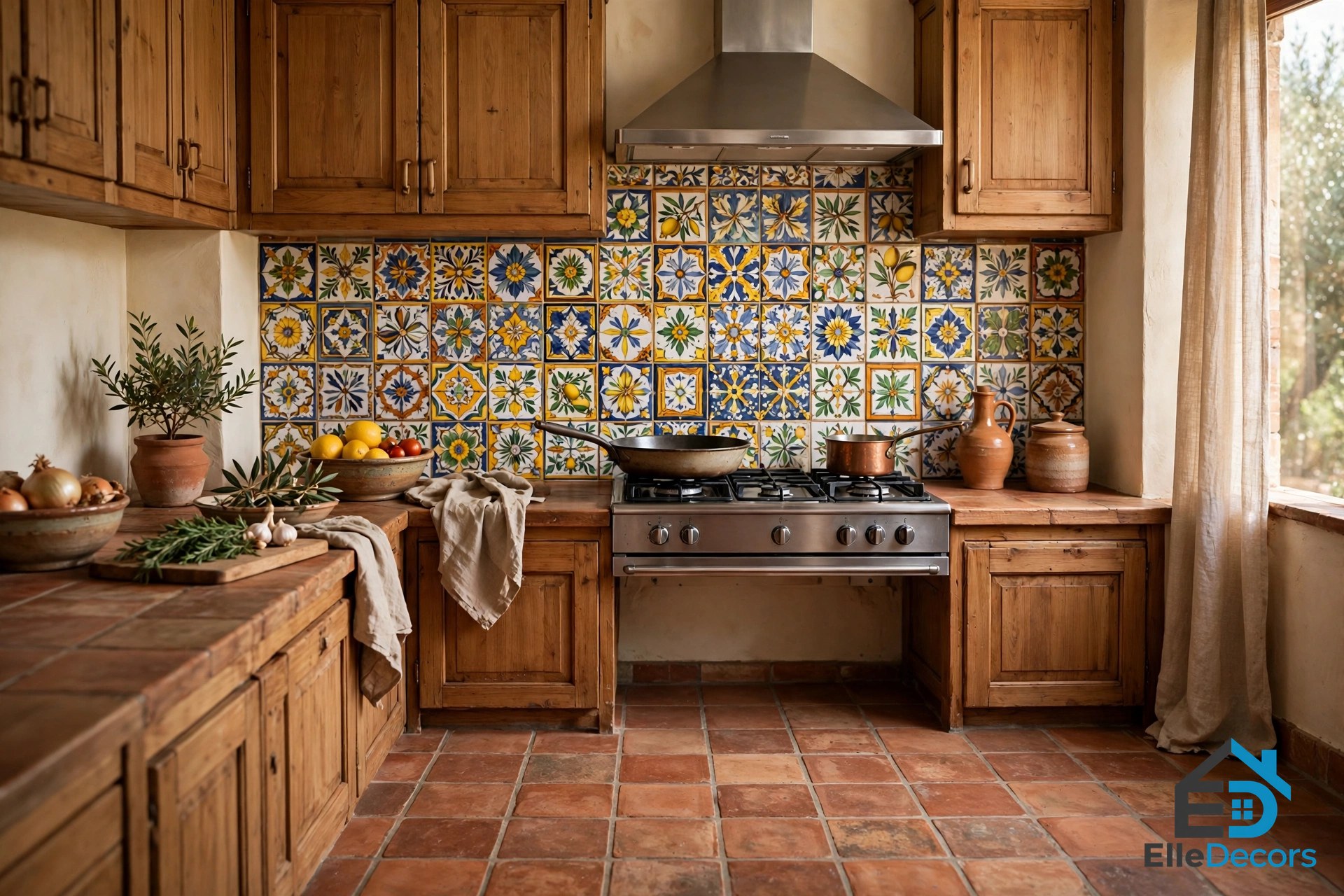
No traditional Italian kitchen is complete without stone and clay. White Carrara marble and grey-veined Calacatta marble are the classic worktop stones, prized for their subtle veining and their ability to take heat — a quality that matters beside a hob. Our guide to rich colored marble kitchen trends covers how coloured marbles work in a modern setting, and the same rules apply here: let the stone be the star and keep the cabinets quiet around it. Terracotta floor tiles and hand-painted ceramic backsplash tiles add the colour, and a tiled splashback behind the hob is both practical and traditional. Warm wood tones, cream walls, and terracotta floors together give the room its unmistakable Tuscan warmth.
The Modern Italian Kitchen
The modern Italian kitchen takes the same craftsmanship and points it in the opposite direction: less decoration, more engineering. If the traditional kitchen is a farmhouse, the modern one is a workshop — everything has a place, and nothing is on show unless it earns it.
Handleless Doors and Clean Lines
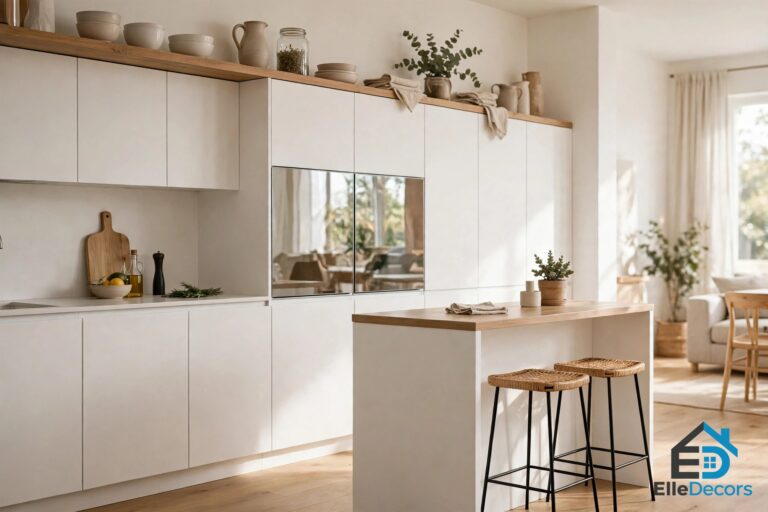
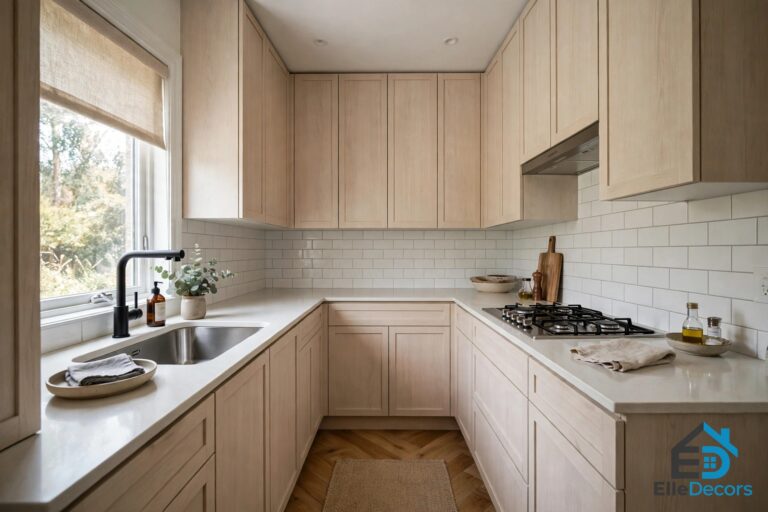
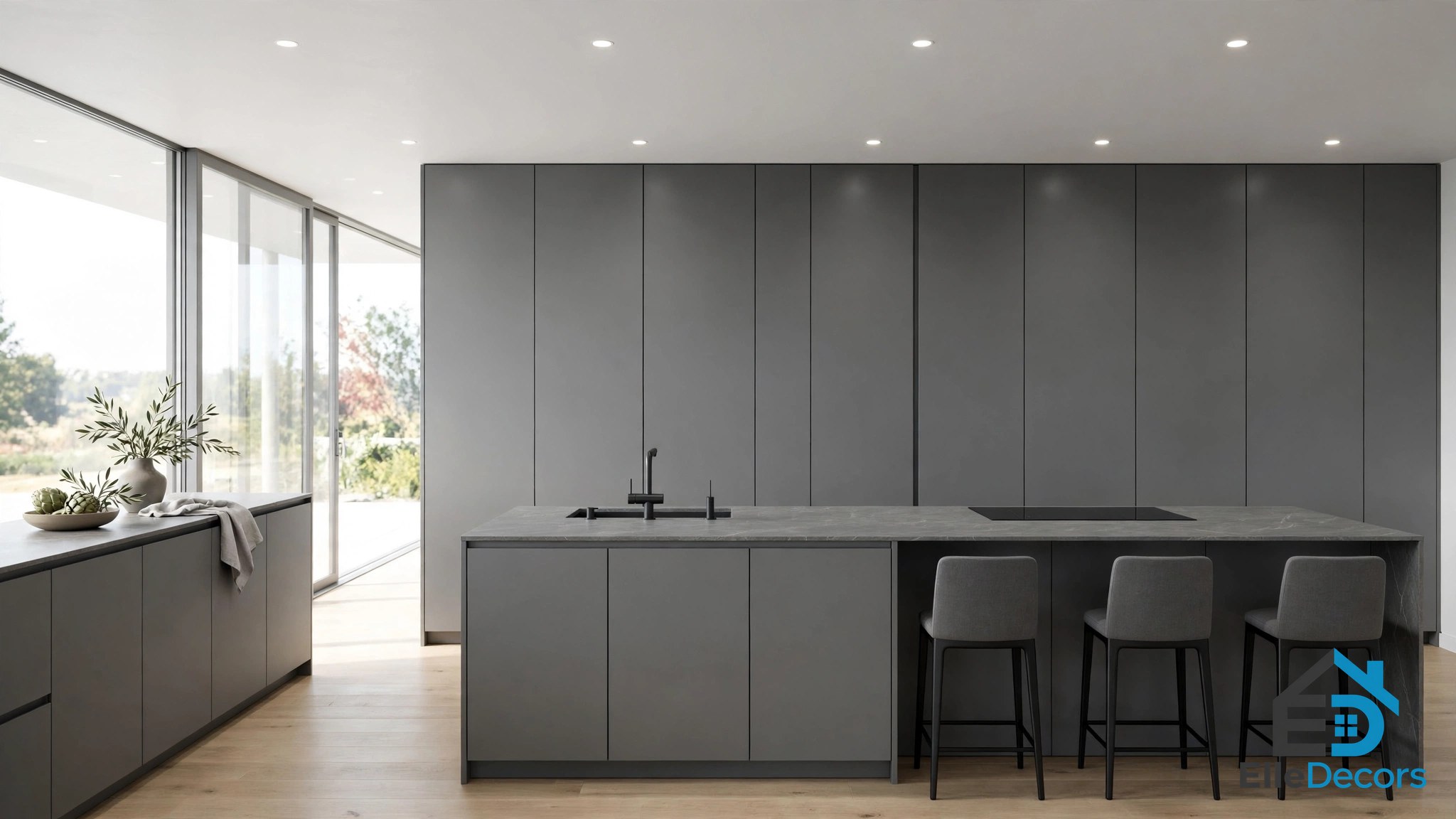
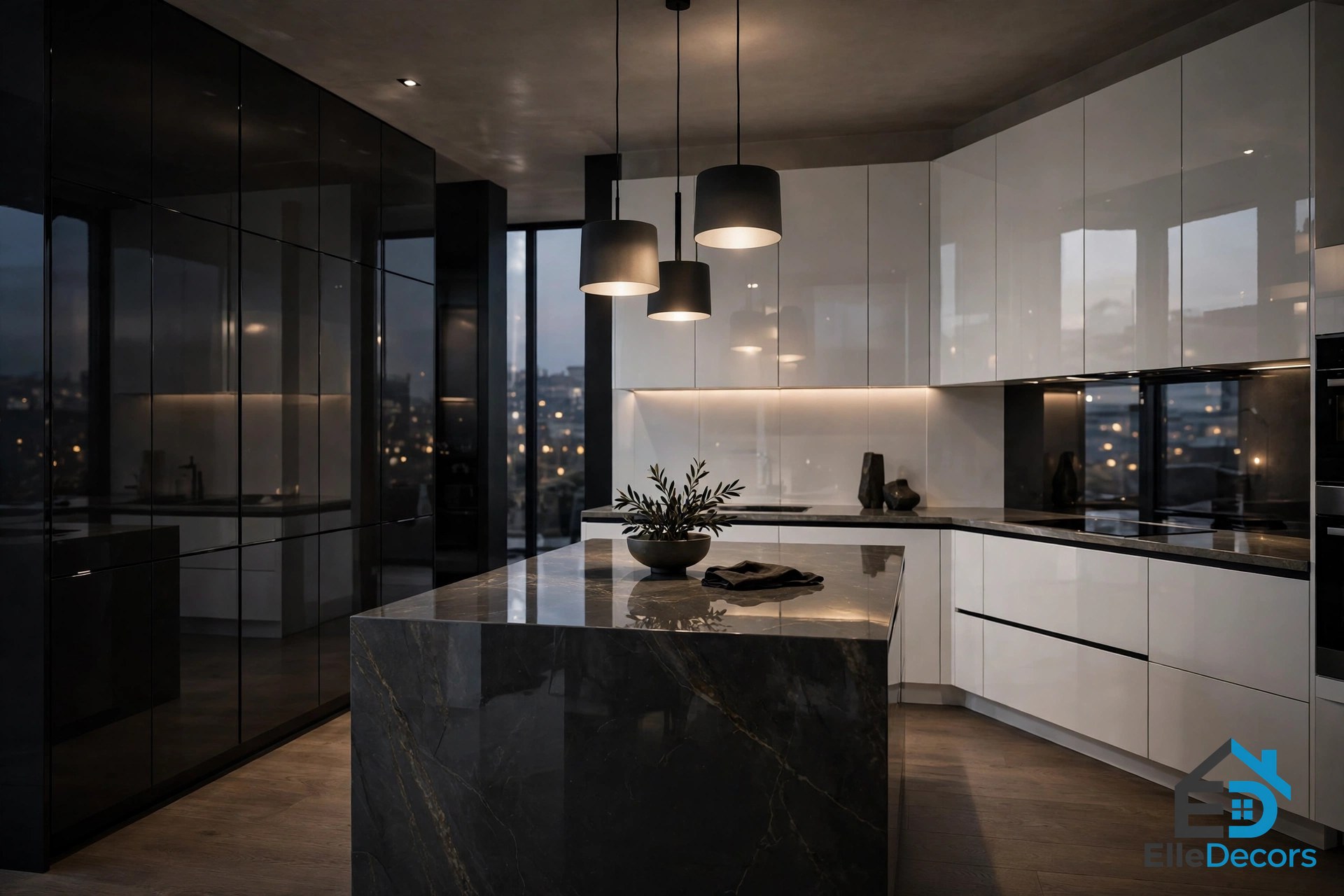
Modern italian kitchen cabinets are defined by what they leave out. Doors run flat and handleless, opening with a push-to-open mechanism or a recessed channel cut into the door edge, and the eye reads one long, calm surface instead of a grid of handles. Cabinets run floor to ceiling, which removes the dusty gap above wall cabinets and makes the room feel taller. Finishes are matte lacquer, satin, or high gloss in restrained colours — whites, greys, soft blacks, with the occasional matte terracotta run for contrast. The result reads as furniture, not as a set of kitchen boxes, which matters most in open-plan rooms where the kitchen is part of the living space.
Steel, Glass, and Fenix
Modern Italian makers were early adopters of materials borrowed from professional kitchens and laboratories. Stainless steel worktops and full steel cabinet runs — Arclinea’s Italia line is the famous example — bring a chef’s worktop into the home, with an induction hob set flush into the surface so prep and cooking become one unbroken plane. Fenix NTM, an Italian-made matte laminate, is the softer modern alternative: a soft-touch surface that resists fingerprints and, remarkably, heals light scratches with heat. Glass-fronted tall cabinets break up long matte runs and give glassware a home, while integrated LED strips under wall cabinets and inside drawers replace the single ceiling light as the room’s working light.
The Two-Tone Trick
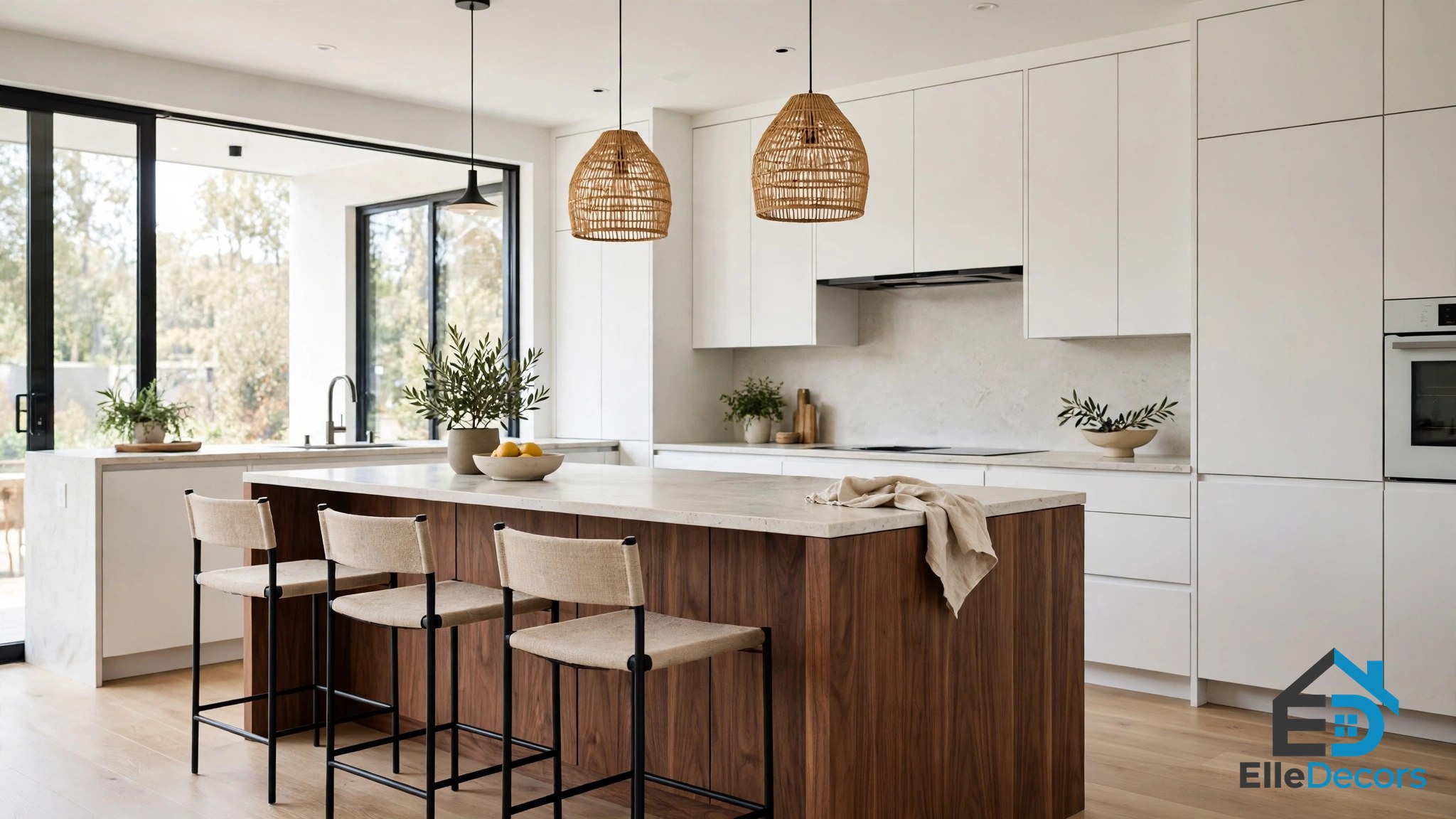
The most useful modern idea is also the simplest: two tones instead of one. Paint the lower cabinets a warm colour — walnut, deep green, or terracotta — and keep the uppers pale or white, and the room gains depth without gaining clutter. A walnut island with white perimeter cabinets is the version most designers reach for first, because the island carries the warmth and the perimeter stays light. The same trick works in reverse in a dark room: pale lowers and a darker island ground the space without shrinking it.
Materials and Finishes Compared
Choosing between the two traditions of italian kitchen cabinets is mostly a materials decision, so it helps to see the options side by side. Solid wood ages best and can be refinished, but it moves with humidity and needs care. Wood veneer gives the same look with more stability and a lower weight. Lacquer — matte or high gloss — gives the cleanest modern surface and wipes clean, but a deep scratch shows.
Marble is the classic worktop in both traditions, though it stains and etches if acids sit on it; quartz and steel are the practical alternatives, and our high-end kitchens guide covers stone choices in more depth. For hardware, solid brass and bronze age with a patina that suits traditional rooms, while matte black and brushed nickel suit modern ones — and copper kitchen accessories bring a warm metal note into either style without changing the cabinets themselves.
The Makers Behind the Craft
A style guide should name the makers, because Italian cabinets are a craft with a history, not a look you can copy from a photograph. These are the names that define the field, each verified as a real Italian kitchen maker.
Scavolini, founded in Pesaro in 1961 as a small artisan workshop, grew into Italy’s most popular kitchen brand, and it is unusual among Italian makers in spanning traditional and contemporary styles with equal confidence. Boffi began in 1934 in Monza Brianza and is the luxury end of the modern tradition, known for collaborations with architects and designers including Piero Lissoni and Patricia Urquiola. Valcucine, founded in 1980, built its name on ergonomics — its Logica system, launched in the 1990s, hides storage in an equipped channel behind the worktop so everything sits within arm’s reach. Arclinea, founded in 1925, is the steel kitchen specialist, building professional-grade kitchens for the home.
Dada, founded in 1926 and part of the Molteni Group, is the historic luxury modular maker, and it created the Armani/Dada collections with Giorgio Armani in 2016. Aran Cucine covers both edgy contemporary and traditional farmhouse designs, and Poliform, founded in 1942, is known for open-plan systems where the kitchen and living area share one language.
How to Choose
When you are choosing italian kitchen cabinets, start with the house, not the catalogue. A farmhouse or a period home with beams and brick takes the traditional kitchen naturally; a new-build or an open-plan flat takes the modern one. Then cook honestly about how you cook: if the kitchen is a working room with heavy pots and daily mess, steel, Fenix, or lacquer will forgive more than oiled wood or honed marble. If the kitchen is also the dining room, the traditional style’s warmth earns its keep.
Measure the room before falling in love with a style — a handleless run needs exact wall measurements, and a traditional dresser needs floor space to open. Ask any maker or supplier three questions: what is the carcass made of, not just the door; how are the drawers constructed and what weight are they rated for; and what happens to the finish in five years — can it be repaired, or only replaced? The answers tell you more than any showroom ever will.

Traditional vs Modern at a Glance
| Feature | Traditional Italian | Modern Italian |
|---|---|---|
| Doors | Raised panel, framed | Flat, handleless |
| Wood | Walnut, cherry, oak, visible grain | Walnut veneer, lacquer, Fenix |
| Hardware | Brass, bronze, ornate pulls | Push-to-open, recessed channels |
| Worktop | Carrara or Calacatta marble | Steel, Fenix, quartz, marble |
| Shelving | Open shelves, ceramics on show | Closed runs, glass-front tall units |
| Colour | Cream, terracotta, olive, warm wood | White, grey, soft black, matte terracotta |
| Best for | Farmhouses, period homes, keen cooks | Open-plan rooms, new builds, minimal homes |
| Makers to know | Scavolini, Aran Cucine | Boffi, Valcucine, Arclinea, Poliform |
Watch: Walnut and White Fenix in a Real Kitchen
Watch Beyond Kitchen’s tour of a custom two-tone kitchen in the San Francisco Bay Area — natural walnut cabinets paired with matte white Fenix fronts, vertical grain matching, integrated walnut handles, and a live demo of Fenix’s self-healing scratch repair. It shows the modern Italian approach to cabinets better than any photograph: the craft is in the details you only notice up close.
Video: Beyond Kitchen tours a walnut and white Fenix custom European kitchen.
Frequently Asked Questions
What are italian kitchen cabinets made of?
Italian kitchen cabinets are made from solid wood or wood veneer — walnut, cherry, and oak in the traditional style — or from lacquered board, Fenix laminate, and stainless steel in the modern style. The carcass underneath is usually engineered board or plywood, and the door material is what you see and touch. Always ask what the carcass is made of, because a beautiful door on a weak carcass will not last.
Are Italian kitchen cabinets worth the cost?
They are worth it when you value the things Italian makers do best: precise engineering, hardware that lasts, and finishes that age well. A well-made Italian kitchen should last twenty years or more with normal care. They are not worth it if the budget forces compromises on the carcass or the installation — a cheap copy of an Italian look with weak drawers and poor fitting will disappoint faster than a simpler, honestly made kitchen.
What is the difference between Tuscan and modern Italian kitchens?
A Tuscan kitchen is the rustic traditional style: warm wood, raised-panel doors, ornate hardware, open shelves, terracotta, and marble. A modern Italian kitchen is the Brianza style: flat handleless doors, matte lacquer or Fenix, steel worktops, and hidden storage. Both are Italian, and many real kitchens mix them — a traditional wood island with modern handleless perimeter cabinets is a common and successful blend.
How do I care for marble worktops in an Italian kitchen?
Wipe spills quickly, especially acids like lemon juice, wine, and vinegar, which etch marble. Use a pH-neutral cleaner, not bleach or vinegar-based sprays, and reseal the stone when water stops beading on the surface. Marble will develop a patina with use — traditional kitchens wear it proudly, and if that bothers you, quartz or steel is the safer worktop choice.
Can I mix traditional and modern Italian cabinets?
Yes, and it is often the best answer. Keep one style dominant — for example, modern handleless perimeter cabinets — and let the other style appear once, as a walnut island or a traditional dresser. The mix works when the materials repeat: the same walnut on the island and the open shelves ties the two styles together. For a full luxury treatment, our high end kitchens guide shows how stone, brass, and quiet detailing carry a kitchen into luxury territory.
The Bottom Line
The choice is not really between old and new — it is between two kinds of honesty. Traditional italian kitchen cabinets are honest about the hand that made them: the grain, the brass, the marble that marks with use. Modern ones are honest about engineering: the door that opens with a touch, the steel that takes heat, the storage that disappears. Pick the tradition that fits your house and your cooking, choose the maker whose craft you can verify, and ask the hard questions about carcasses and finishes before you sign. A kitchen chosen that way will still feel right in twenty years.