The Best Use of Wood in Modern Designs: Practical Ideas for Every Room
Audio Summary
Modern rooms rely on flat surfaces. Glass, stone, concrete, and painted walls all read smooth and cool. Wood breaks that pattern with grain, warmth, and a surface you can feel. The best use of wood in modern designs is planned, not random. Each piece of wood should do one clear job in the room. It might warm up a stark living room, mark the dining zone in an open plan, or give a kitchen a surface that takes daily wear. This guide covers the best places to put wood, the species that suit each job, and the rules that keep mixed tones looking calm.
Start With the Job You Want Wood to Do
Choose the job before you choose the species or the stain. A wood piece picked for looks alone often fights with the rest of the room. A wood piece picked for a job almost always fits.
- Warmth in a cold-feeling room: a wood side table, a framed mirror, or a narrow shelf.
- A focal point: a slatted wall, a large dining table, or a built-in bookcase.
- Zones in an open plan: repeat one wood tone in the kitchen island, the dining chairs, and the living room shelves.
- A quieter room: slatted wood panels can absorb sound, which helps in large open spaces.
- A surface that takes daily wear: pick a product rated for floors, worktops, or damp areas, not just a sample that looks good.
Pick the largest wood element first. Floors and fixed cabinets set the main tone of a room. Smaller pieces should support that tone, not compete with it.
Where the Best Use of Wood in Modern Designs Shows Up Most
Five surfaces carry most of the wood in a modern home. Each one needs a different product and a different level of care.
Floors Set the Main Tone
Flooring is the broadest wood surface in most rooms, and it is the hardest one to change later. Choose it before you add other large wood pieces. Getting the floor right is central to the best use of wood in modern designs, because every later choice has to sit next to it.
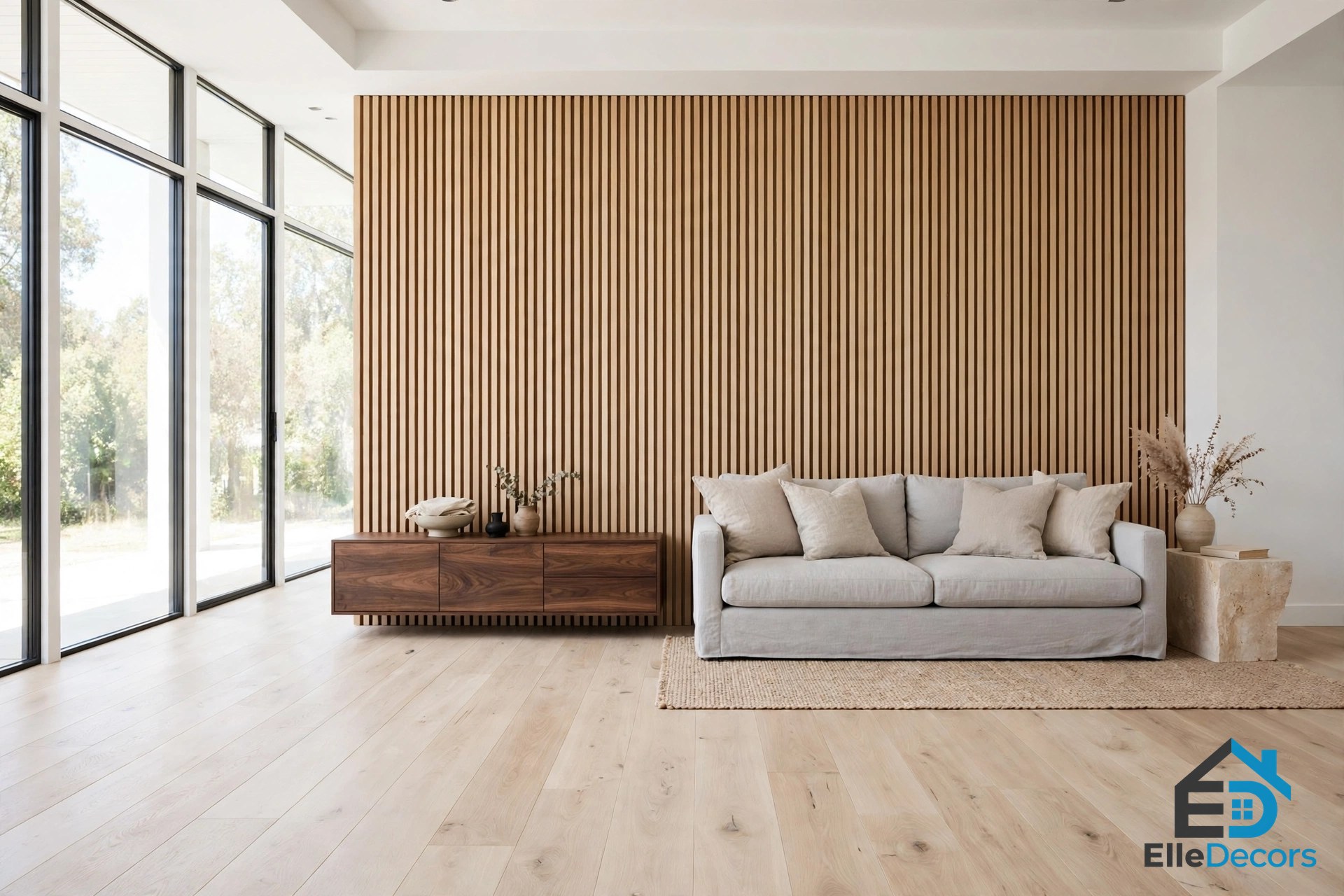
Wide planks show fewer seams and suit the clean lines of modern rooms. A floor with strong grain or bold color already draws the eye, so pair it with plain cabinets and simple furniture. Straight planks suit any style. Herringbone and chevron layouts add pattern, and they cost more to install because each board needs more cuts. Hardness matters most on floors, and the Janka scale below explains how to judge it.
Walls Add Texture and Rhythm
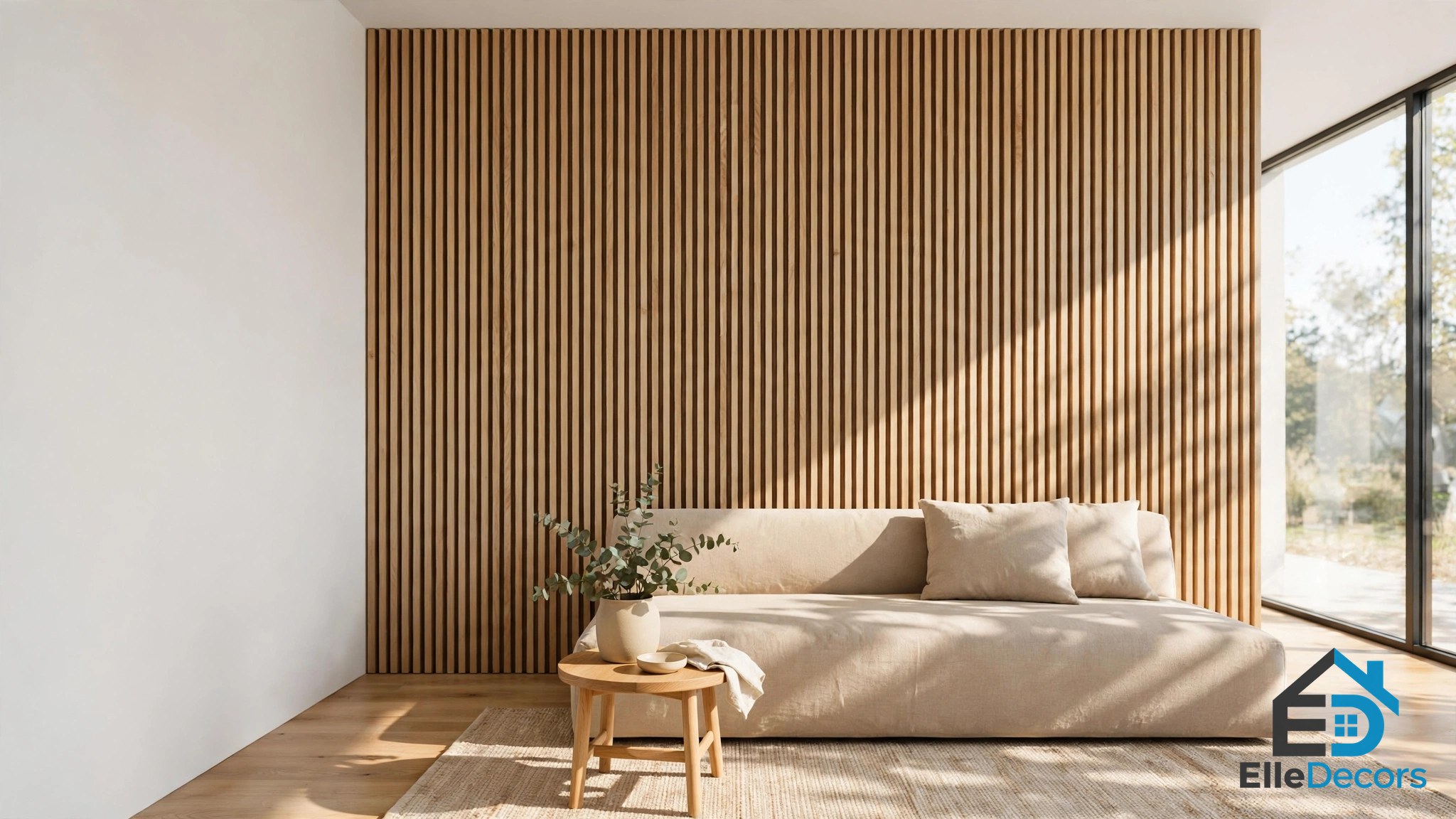
Wood on one wall gives a flat room depth and a clear focal point. Vertical slats draw the eye up and make a ceiling feel higher. Horizontal boards make a wall feel wider. A flush veneer panel behind a TV keeps the wall calm and hides cables and clutter.
Stop at one wall. Paneling on all four walls turns a modern room into a cabin. Plan the edges, outlets, and door frames before you install, because a panel that ends mid-wall looks unfinished. Our guide to wood accent wall ideas compares slat, shiplap, and full panel layouts in detail.
Ceilings and Beams
A wood ceiling grounds a tall room and makes it feel warmer. It works best when the floor and walls stay simple, so the ceiling reads as one clear plane. Low rooms need pale wood, such as light oak, so the ceiling does not press down on the space.
Exposed beams add structure lines without covering the whole ceiling. Beams can be solid timber or hollow boxes fixed to the surface. Both give the same clean effect at a very different cost and weight.
Cabinets and Built-Ins Do Daily Work
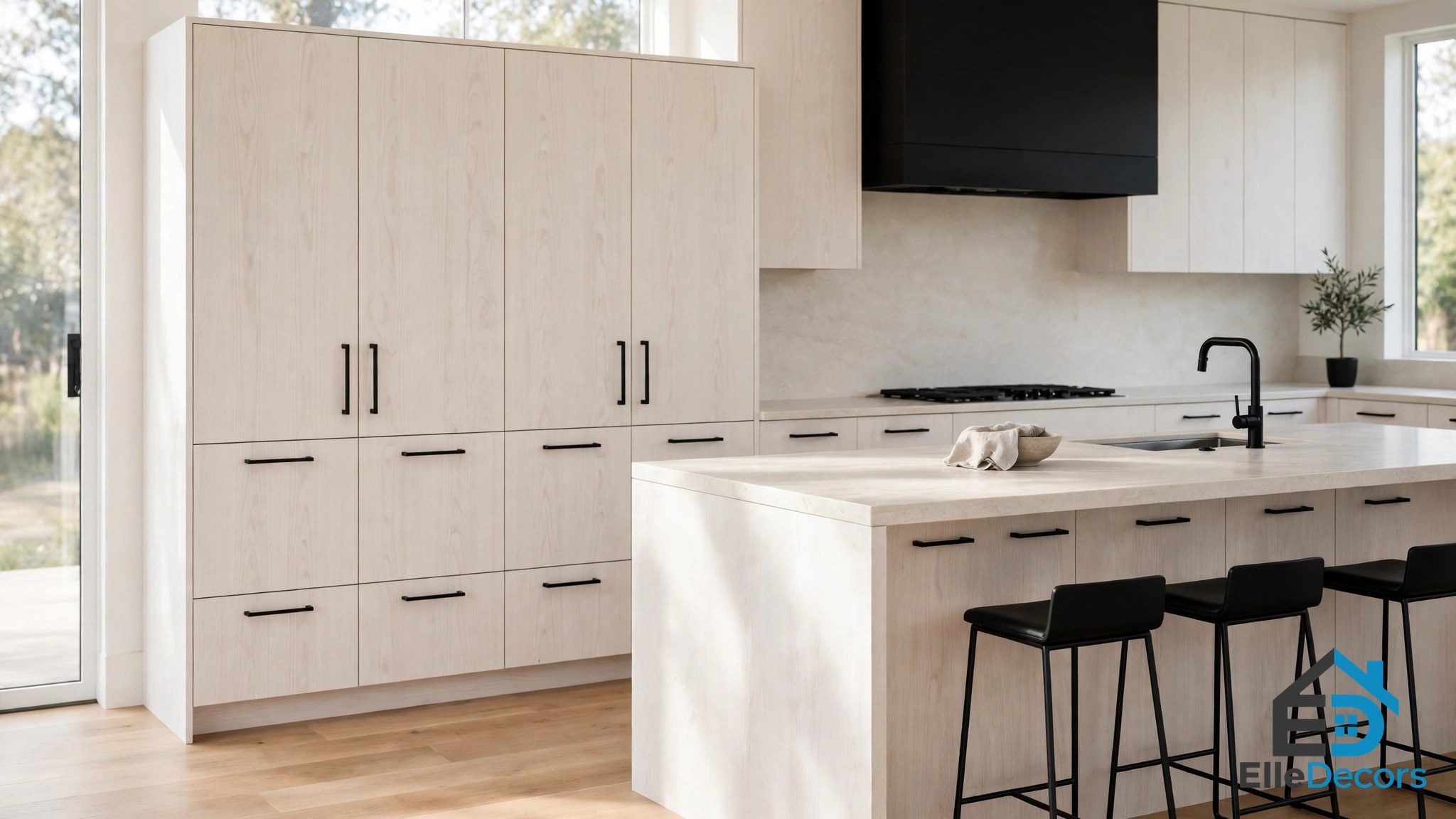
Cabinet fronts, shelves, and window seats put wood to work every day. In kitchens, wood cabinets and islands warm up stone counters and steel appliances. Wood is now the most picked cabinet color in renovated kitchens. Houzz’s 2026 U.S. Kitchen Trends Study put wood at 29%, just ahead of white at 28%.
Veneer gives a steady grain across large doors. Solid wood suits edges and frames that take knocks and may need repair later. Ask about the core material, the edge sealing, and the finish before you buy. A good-looking cabinet door is not a waterproof door.
Furniture Is the Easiest Place to Start
Furniture adds wood without any building work. A table, bench, or chair lets you test a tone before you commit to floors or cabinets. A solid wood dining table gives a dining zone its center in an open plan. A pedestal dining table adds leg room at the corners, which helps in tight dining areas.
Wood furniture also has a long record in modern design. Alvar Aalto patented his bent-wood method in 1933, and Artek still makes his birch Stool 60 today. Simple forms, visible grain, and clean joints keep wood furniture looking current.
Choose the Species by Tone and Hardness
The best use of wood in modern designs treats species as a practical pick. Tone decides the look, and hardness decides how the surface wears. Light woods such as ash, maple, and birch keep small rooms bright. White oak and teak sit in the middle. Walnut covers the dark end of the scale and suits furniture and feature pieces.
Species names are a useful shortcut, but cut, grade, finish, and light all change the final color. Test large samples in the room, in daylight and in evening light, before you order.
Hardness is measured with the Janka test. The test records the force, in pounds-force, needed to press a steel ball halfway into the wood. A higher number resists dents better. The rating matters for floors and tabletops. It matters far less for wall panels and cabinet doors.
| Species | Tone | Janka rating (lbf) | Best use |
|---|---|---|---|
| White oak | Light to medium brown | 1,360 | Floors, cabinets, paneling |
| Hard maple | Near white to pale brown | 1,450 | Floors, pale modern schemes |
| White ash | Creamy white, golden tint | 1,320 | Furniture, paneling, floors |
| Black walnut | Pale brown to dark chocolate | 1,010 | Furniture, cabinets, veneer |
| Teak | Golden to medium brown | 930 to 1,070 | Furniture, bathroom vanities |
For a busy floor, pick a species at or above about 1,000 lbf. Softer woods such as walnut and teak dent sooner, so they fit bedrooms and furniture better than hallways. You can check species data and hardness ratings at The Wood Database before you buy.
Mix Wood Tones Without a Clash
Mixing tones well is a big part of the best use of wood in modern designs. Mixed wood tones look good when they follow a few simple rules. They look messy when each piece arrives on its own.
- Start with one dominant tone. The floor or the largest cabinet run usually sets it.
- Match undertones. Warm woods sit well together, and cool woods sit well together.
- Cap the room at two or three wood tones.
- Repeat each tone in at least two places, so the mix looks planned.
- Spread the tones around the room instead of grouping them in one corner.
- Add a buffer between strong tones. A rug, a textile, or one painted piece can do this job.
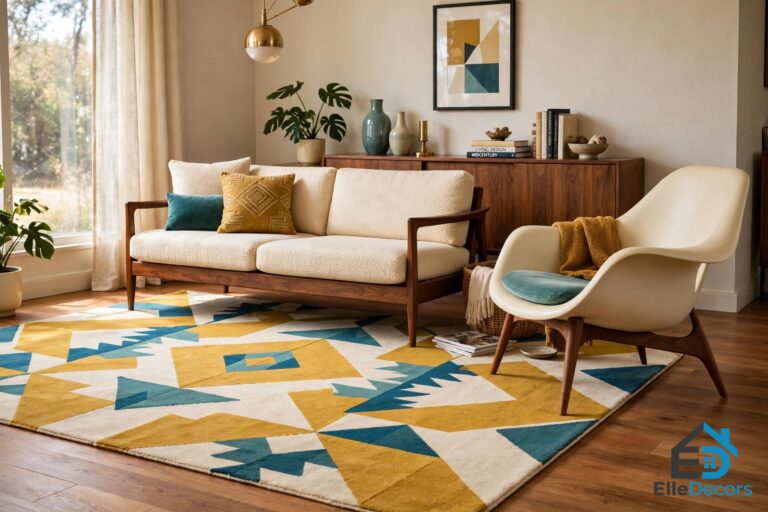
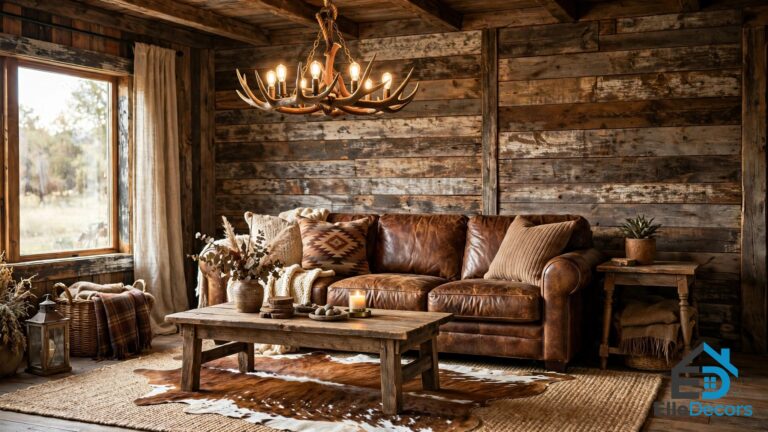
Style narrows the choice further. Scandinavian rooms pair pale oak or ash with white walls. Japandi rooms cap the mix at two species, often walnut with pale oak. Mid-century rooms lean on teak and walnut furniture with slim legs. Wood also carries western home decor, where reclaimed beams and worn grain pair with leather and iron.
Finishes That Keep Wood Looking Modern
Matte and low-sheen finishes suit modern rooms. They show the grain without glare. A clear coat on white oak keeps the color close to the raw wood. Glossy, orange-toned finishes tend to look dated.
Hardwax oil soaks into the surface and leaves a matte, natural feel. You can sand and re-oil a worn patch without redoing the whole floor. Lacquer and polyurethane form a film on top of the wood. The film resists spills better, but damage means recoating the full surface. Stain only changes color and adds no protection, so stained wood still needs oil or a clear coat on top.
Room-by-Room Notes
Living Room
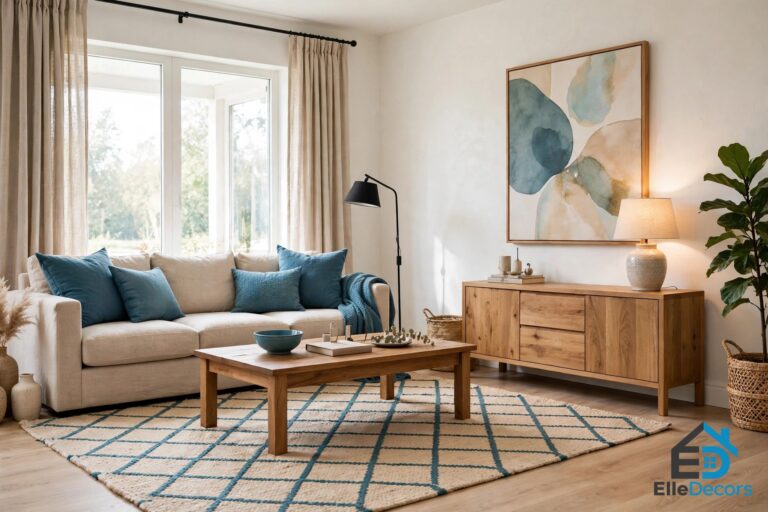
Pick one main wood piece, such as a coffee table, a media cabinet, or a wall panel. Repeat its tone in one or two small items. Soft textiles and a rug keep the room from feeling hard and bare.
Kitchen
In a kitchen, the best use of wood in modern designs stays focused. Cabinets or an island carry the wood, and the other surfaces stay plain. Keep counters easy to clean where splashes land. Match the wood tone to the floor tone, or set the two clearly apart. Tones that almost match look like a mistake.
Bedroom
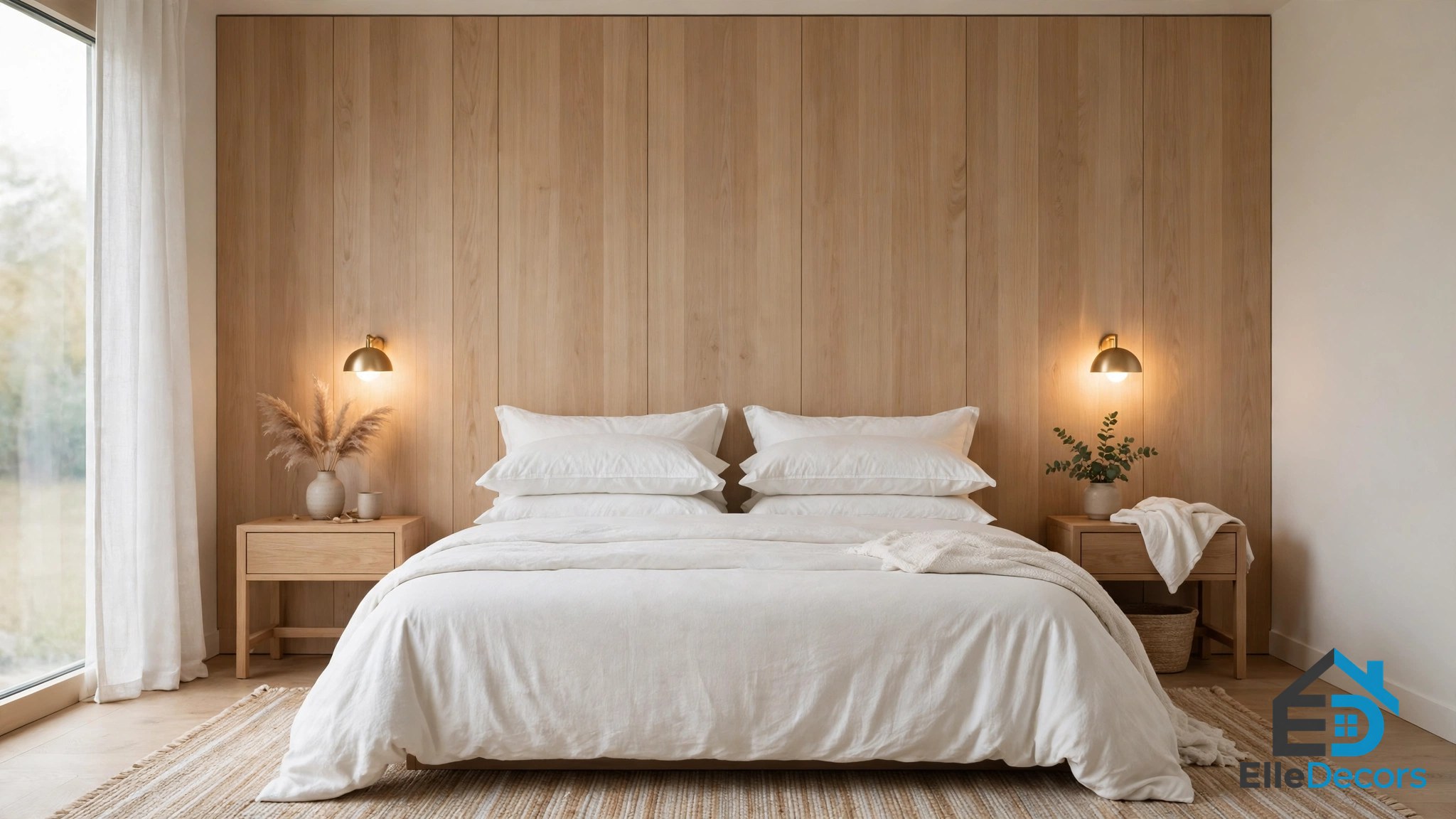
A wood headboard or a panel behind the bed adds warmth with little clutter. Calm, even grain suits sleep better than busy grain. Keep the bedside tables in the same species so the room stays quiet.
Bathroom
Wood and steam do not mix well. Indoor wood stays stable at 30% to 50% relative humidity, the indoor range the USDA Wood Handbook gives for buildings. A hot shower pushes a bathroom far past that range. Keep wood to a sealed vanity, a mirror frame, or shelves away from direct spray. Teak handles humidity best because of its natural oils.
Mistakes That Make Wood Look Wrong
Most wood problems come from dose and finish, not from the material. These five errors undo good choices fast.
- Too many tones. Four or five unrelated woods in one room fight each other. Start from the floor tone and cut the rest down.
- Small samples. Grain and color shift across a full board. Test a large sample in daylight and in evening light.
- Wood in wet zones. An unsealed wood surface near a shower or a sink will swell and stain.
- Glossy orange finishes. High gloss and orange stains date a room fast. Matte, neutral finishes age better.
- Wood on every surface. A wood floor, walls, ceiling, and furniture leave the eye no rest. Leave some surfaces plain.
Care and Responsible Sourcing
Dust wood with a soft cloth and wipe spills at once. Use felt pads under chair and table legs. Keep indoor humidity steady, since dry air shrinks wood and damp air swells it.
Buy from a supply chain you can check. The Forest Stewardship Council certifies forests that are managed responsibly, and its label appears on products that come from those forests. Reclaimed wood can also work well. Inspect it first for pests, old coatings, and damage, and ask what treatments it has had.
Common Questions
Can you mix light and dark wood in one room?
Yes, if the tones share an undertone and each one repeats at least twice. Give the room one dominant tone, usually the floor. Add the second tone in furniture, and a third, if you use one, in small pieces. A rug or a painted piece between two strong tones keeps them from clashing. Test the mix with samples in the room’s real light before you buy.
Which wood is best for a modern floor?
For the best use of wood in modern designs, the floor comes first, because it sets the tone for every other wood in the room. White oak is the safe pick for most homes. It rates 1,360 lbf on the Janka scale, takes stain well, and its grain suits modern rooms. Hard maple is harder at 1,450 lbf and paler. Walnut, at 1,010 lbf, works in quiet bedrooms but dents sooner in halls and kitchens.
Does wood belong in a bathroom?
Only in limited spots. Steam raises bathroom humidity well past the range where wood stays stable. A sealed vanity, a mirror frame, or open shelves away from the shower are safe choices. Teak copes best, because its natural oils resist moisture. For the shower wall and the floor in the wet zone, tile or stone is the safer surface.
How much wood is too much in a modern room?
Wood becomes too much when every large surface competes. One dominant wood surface per room is a good limit, with smaller pieces in the same tone family for support. If the floor is wood, keep the walls plain or pick one panel wall. If the cabinets are wood, keep the floor quiet. Plain surfaces give the grain room to stand out.
Conclusion
The best use of wood in modern designs comes down to three habits. Give each piece of wood one clear job. Pick the species by tone and hardness, not by name alone. Keep the mix to a few tones and repeat them with care. Start with one room, test samples in real light, and add wood in steps.