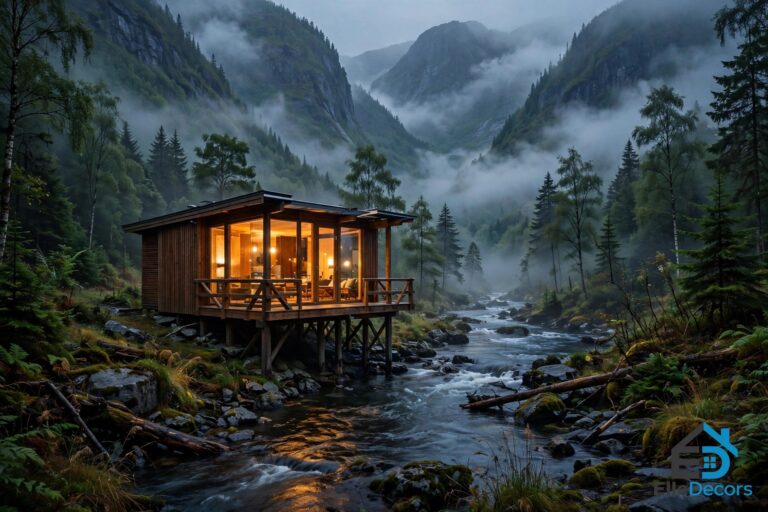
Edward Cullen House in Twilight: Inside the Real Hoke House in Portland
The Edward Cullen house in Twilight is one of the most recognisable homes in modern cinema. When Bella Swan first visits Edward’s family in the 2008 film Twilight, she walks into a house of glass walls, warm wood, and forest views, with a grand piano in the middle of the living room.
Millions of viewers wanted to know where it was. The answer is not Forks, Washington, where the story is set. The real house stands in Portland, Oregon, and it is called the Hoke House. This guide finds the real house, walks through the rooms the film shows, explains how the book’s house is different, and tells you what you can actually visit.
Finding the Real Edward Cullen House in Twilight
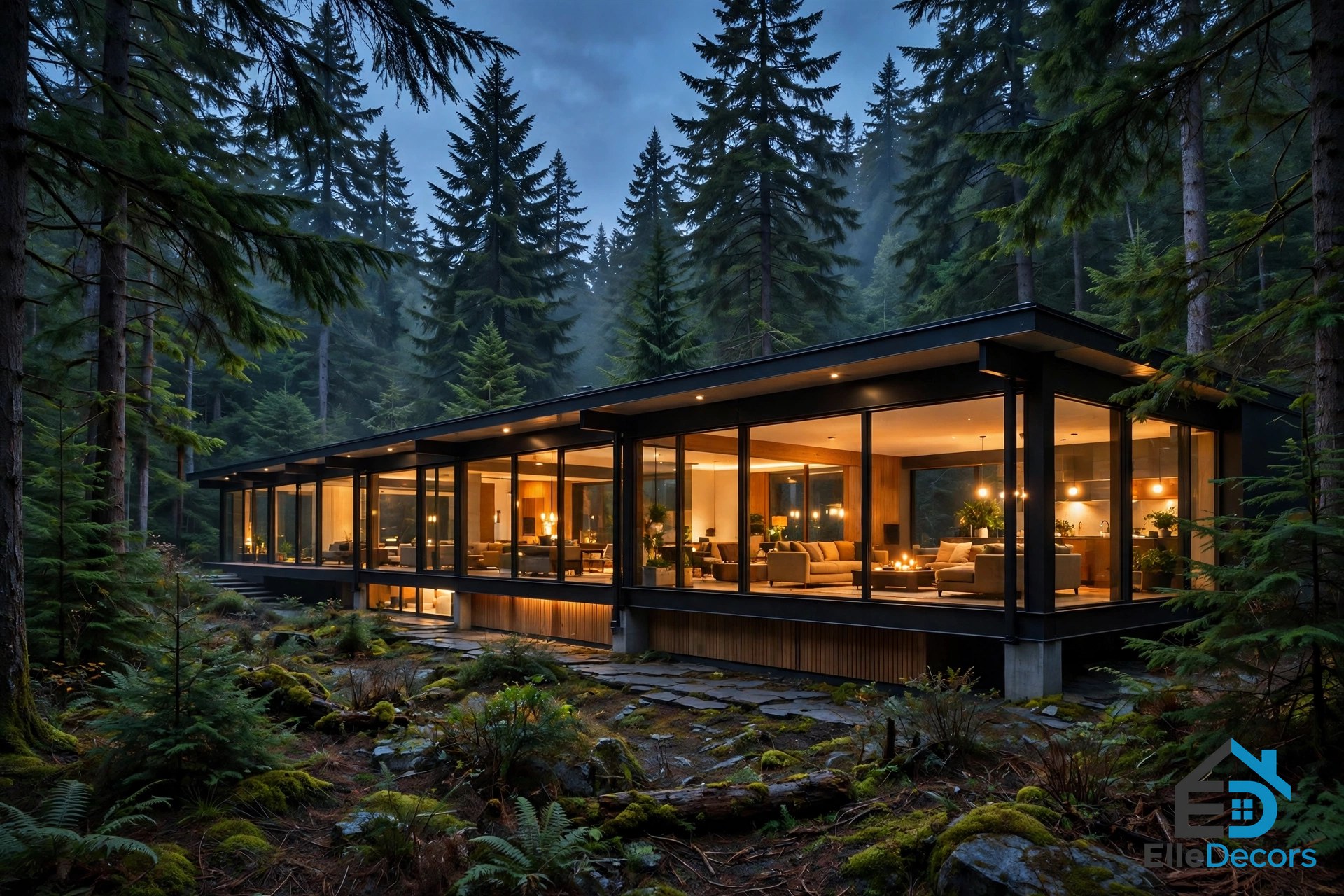
The house in the first Twilight film is the Hoke House, a modern home in the West Hills of Portland, Oregon, near Forest Park. Its address is 3333 NW Quimby Street, Portland, OR 97210. It was designed by architect Jeff Kovel of Skylab Architecture and completed in 2007. Skylab was founded by Kovel in 1999, and the Hoke House was his first solo project with his own firm. The house was built for John Hoke, an executive at Nike, and it takes its real name from him; the film crew even nicknamed it the Nike House. Lucy Metcalf was the interior designer and landscaper, and Metcalf Construction built it.
Public records put the house at 4,903 square feet of living space on a 6,800-square-foot lot, with a finished basement and an attached garage. The filmmakers found the house in an architecture magazine called Portland Spaces, and chose it because its glass walls and forest setting matched the Cullens exactly: a family that is wealthy, old, and careful about being seen, living in a house that hides nothing from the trees and everything from the road.
One architecture writer described the house as like a ship sailing through the trees of Northwest Portland, and the image fits: the house is long, low, and angled, with its glass face turned toward the forest. The house is a private residence and is not open to visitors. Fans can admire it from the street, respectfully, and should not trespass or knock on the door.
The House in the Film
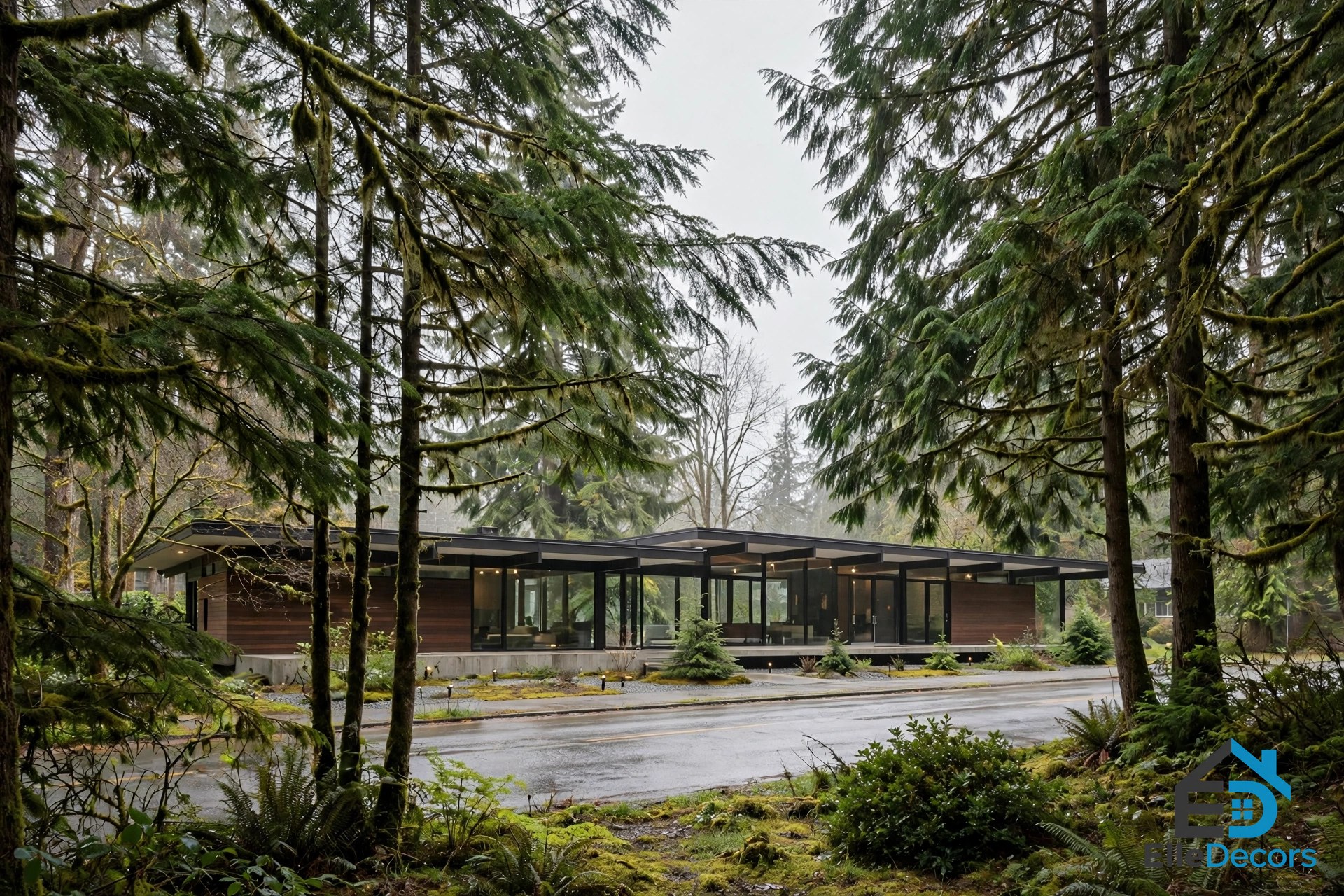
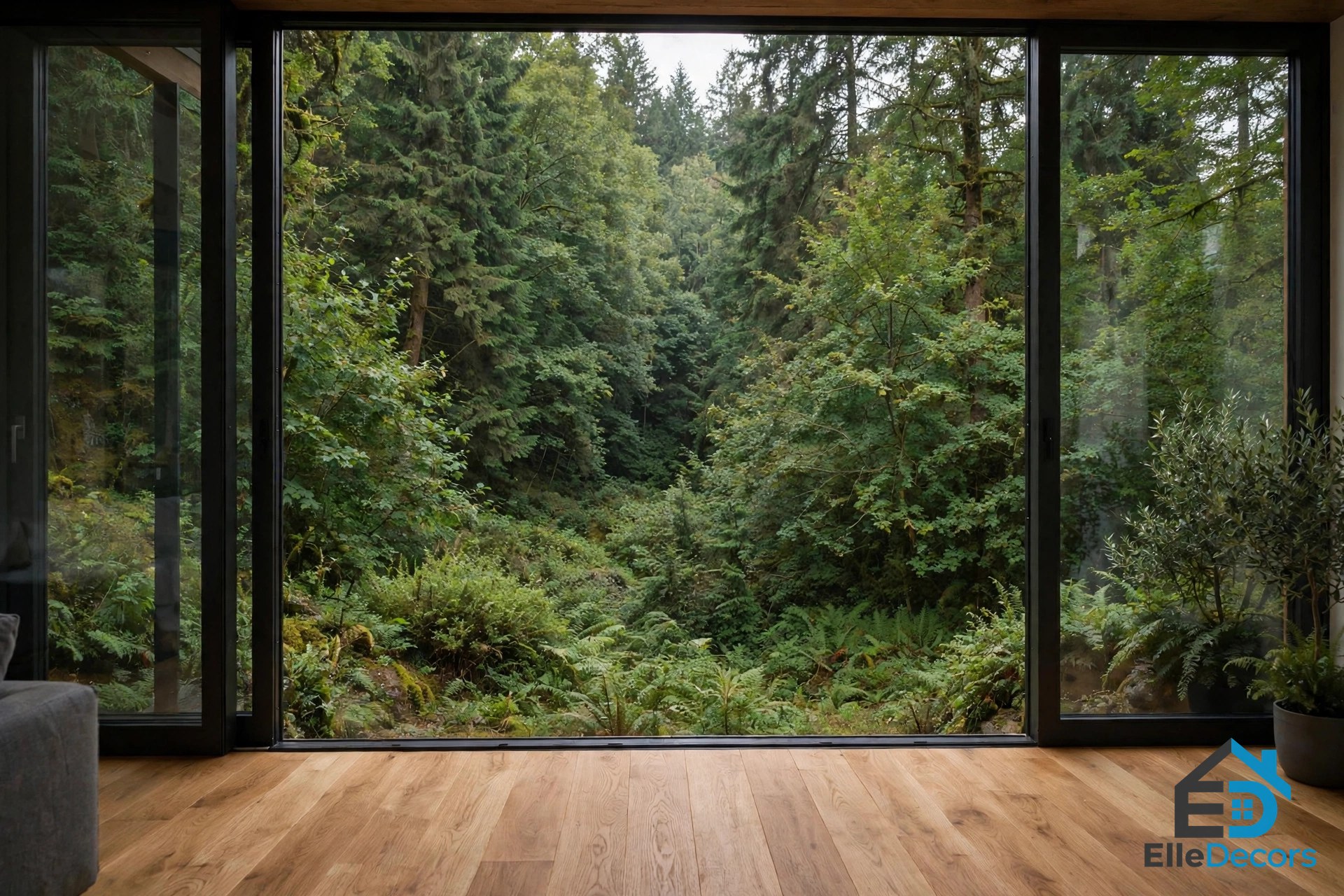
The Edward Cullen house in Twilight works on screen because the architecture does the storytelling. Edward tells Bella that it is the one place the family does not have to hide, and the house proves it: the southern wall is almost entirely glass, the rooms are open and bright, and there are few internal walls. The forest presses against every window, so the family lives inside the trees rather than beside them. Warm wood softens the glass and steel, and the whole house reads as modern, calm, and slightly otherworldly, which is exactly the Cullens.
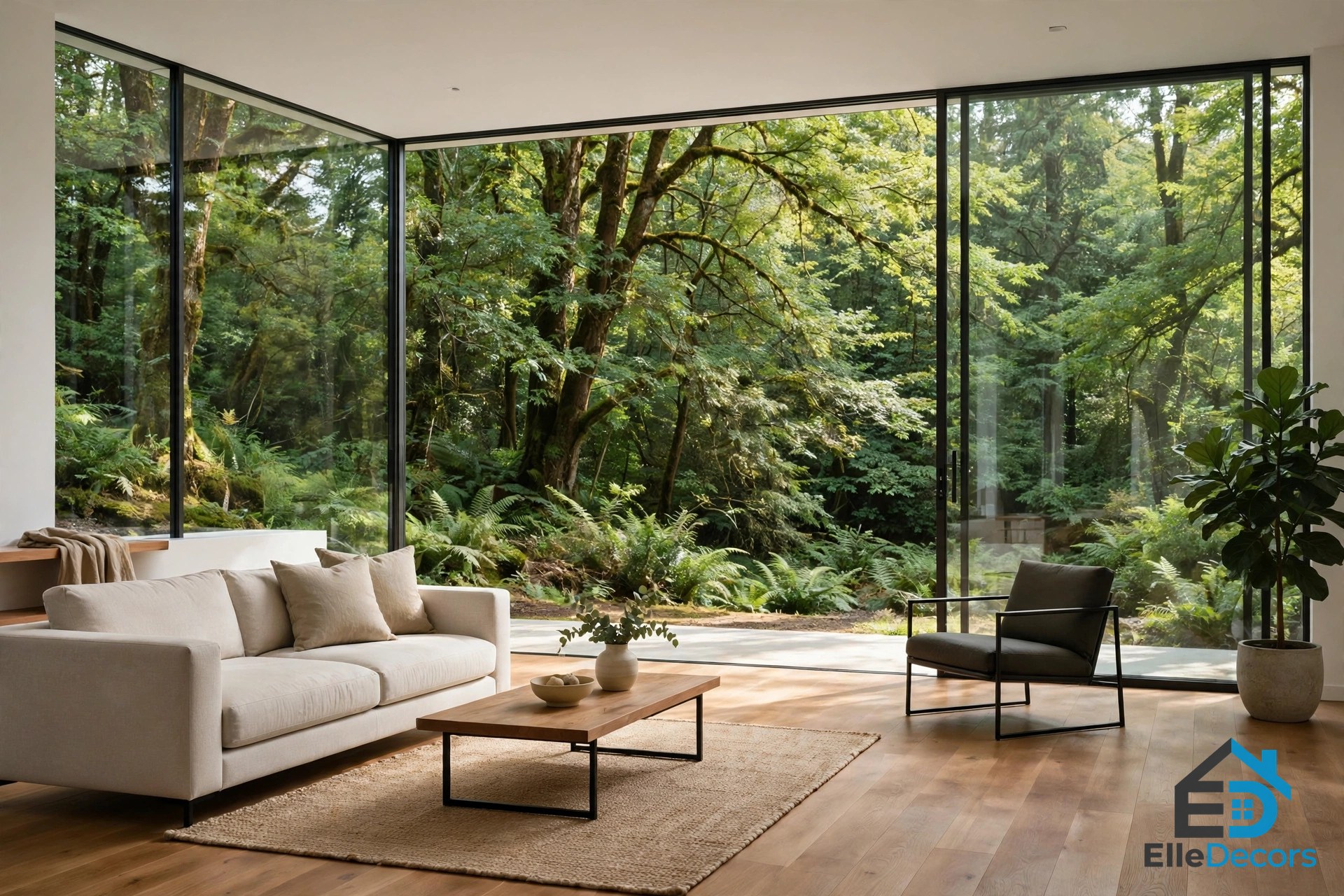
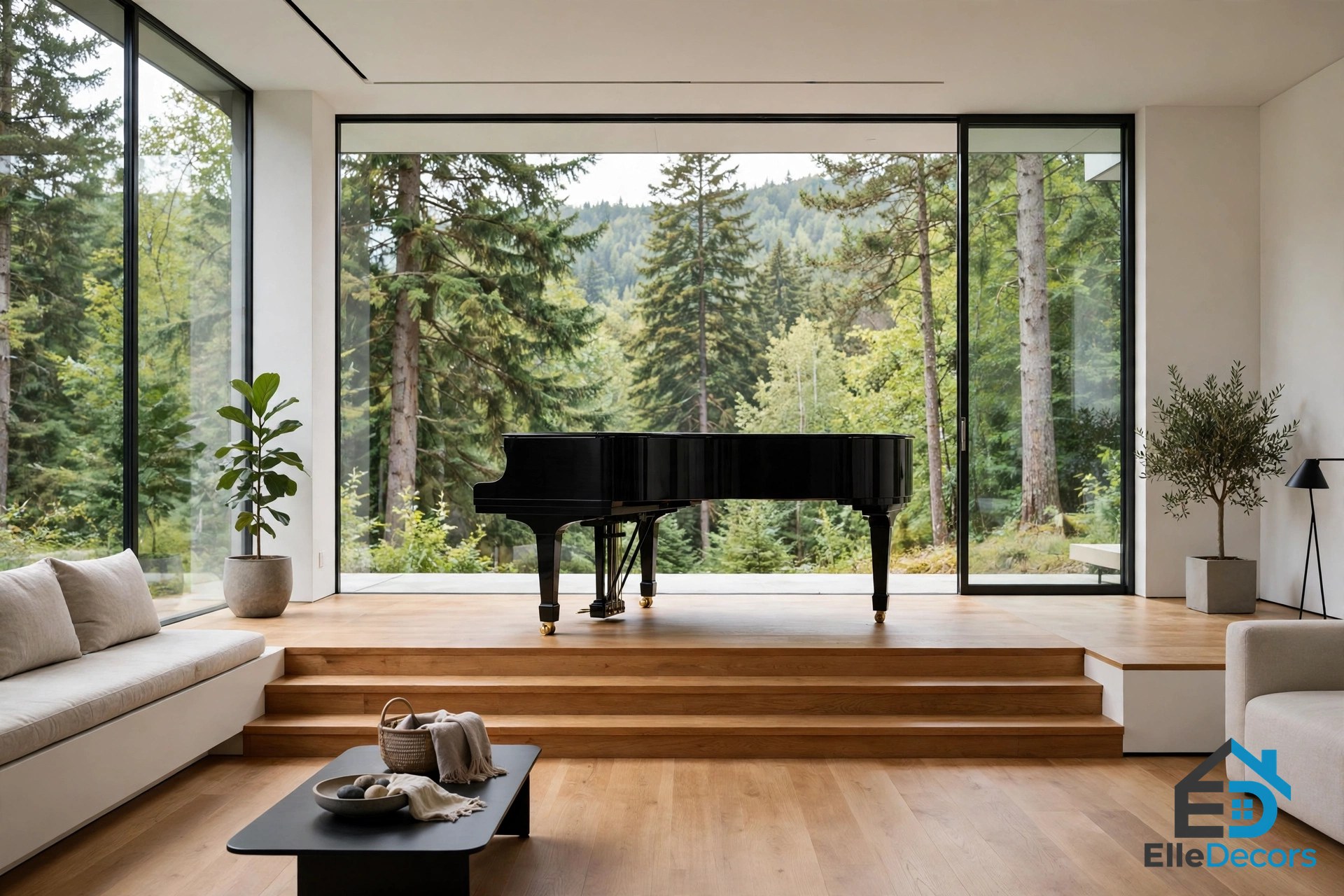
The most memorable room is the living room, with its wide central space and the grand piano at its centre. Edward plays “Bella’s Lullaby” there, and the piano becomes the emotional heart of the house. The kitchen is played for a joke the film never explains to newcomers: the Cullens usually never cook, since they eat raw animals, and they are only being polite to Edward’s girlfriend.
The dining room is rarely used, for the same reason. Upstairs, the rooms belong to individual family members: Rosalie and Emmett’s room at the top of the stairs on the second floor, and Carlisle and Esme’s room at the top on the third. Edward’s room faces south, and the rest of the third floor is the library.
Room by Room: What the Film Shows
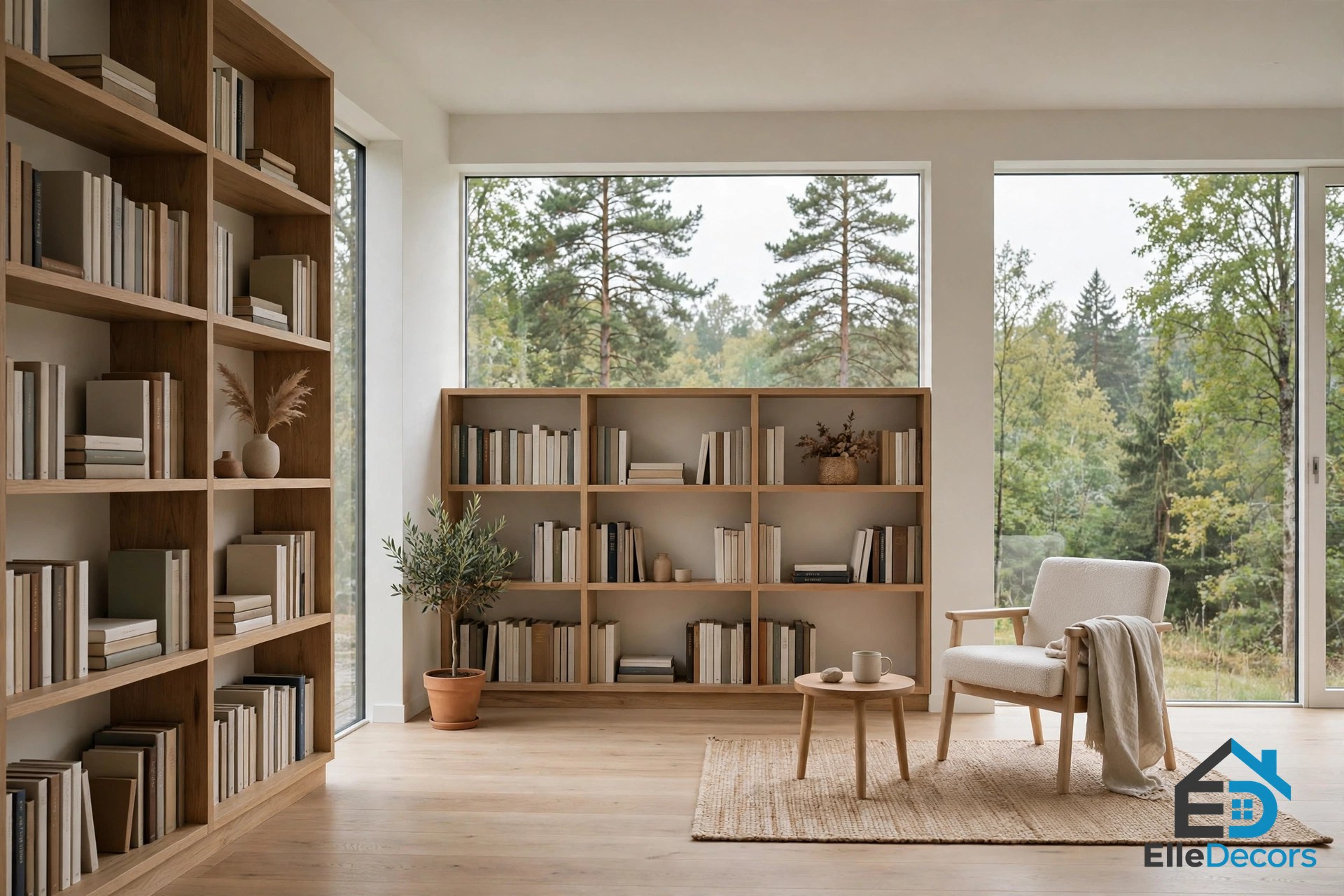
The living room is the room the film returns to most. It is open, bright, and filled with the forest outside the glass. The grand piano sits on a raised area in the centre, so the room is arranged around music rather than around a television. The lesson for anyone borrowing the look is simple: one strong focal point, a piano or a piece of art, does more than a room full of furniture.
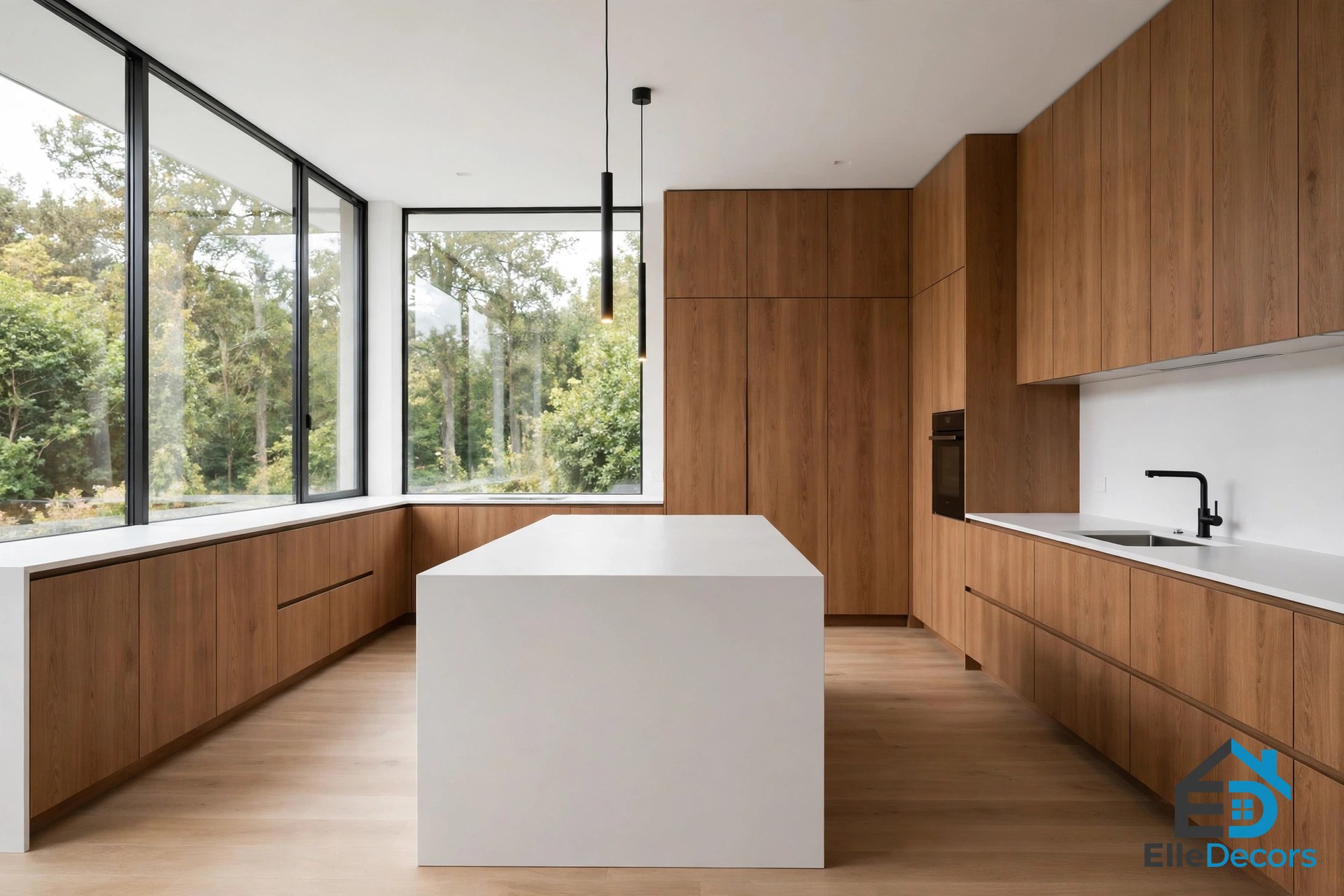
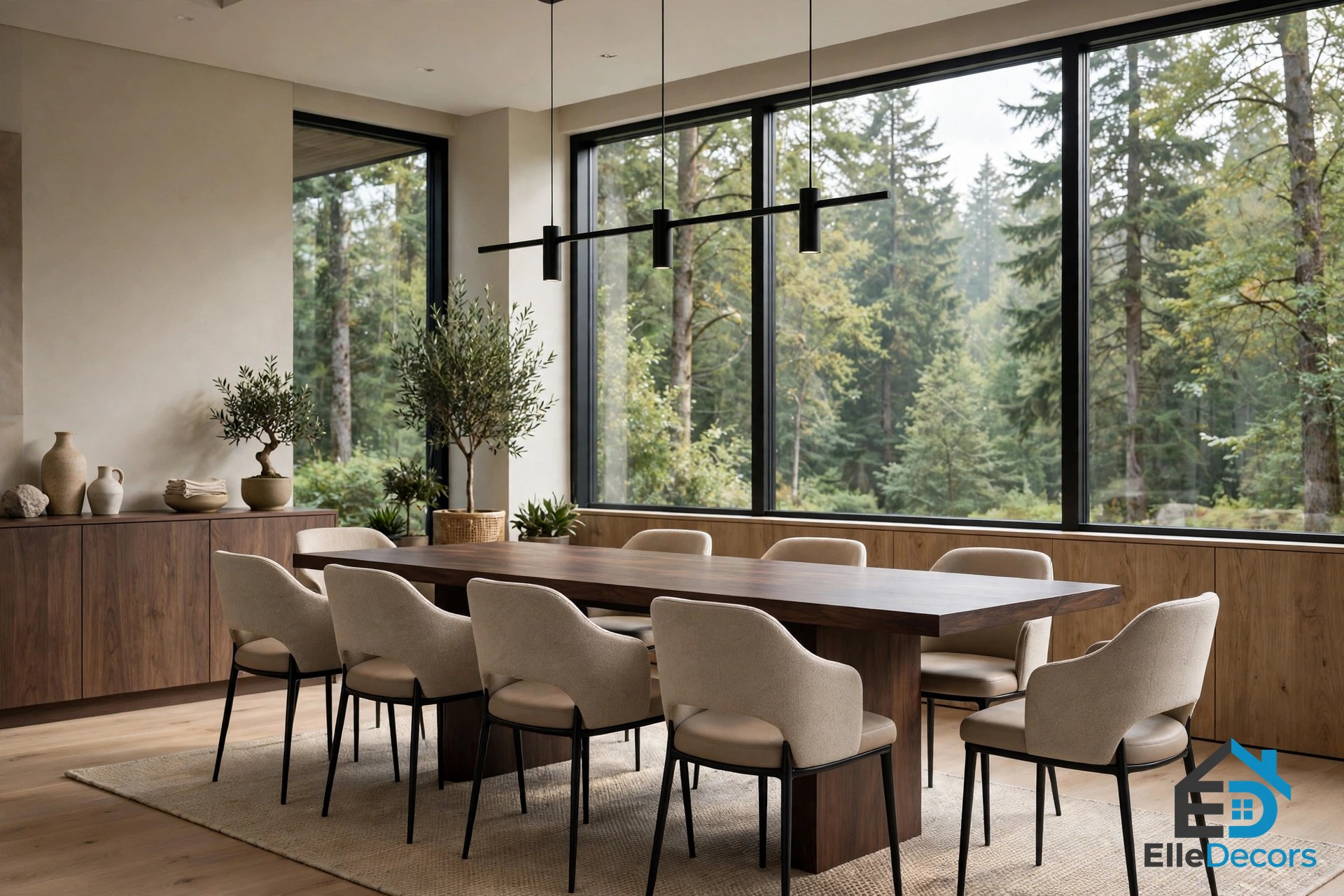
The kitchen is sleek and modern, with clean surfaces and little clutter, which suits a family that never cooks in it. The dining room beside it is formal and rarely used, a room for show rather than for meals.
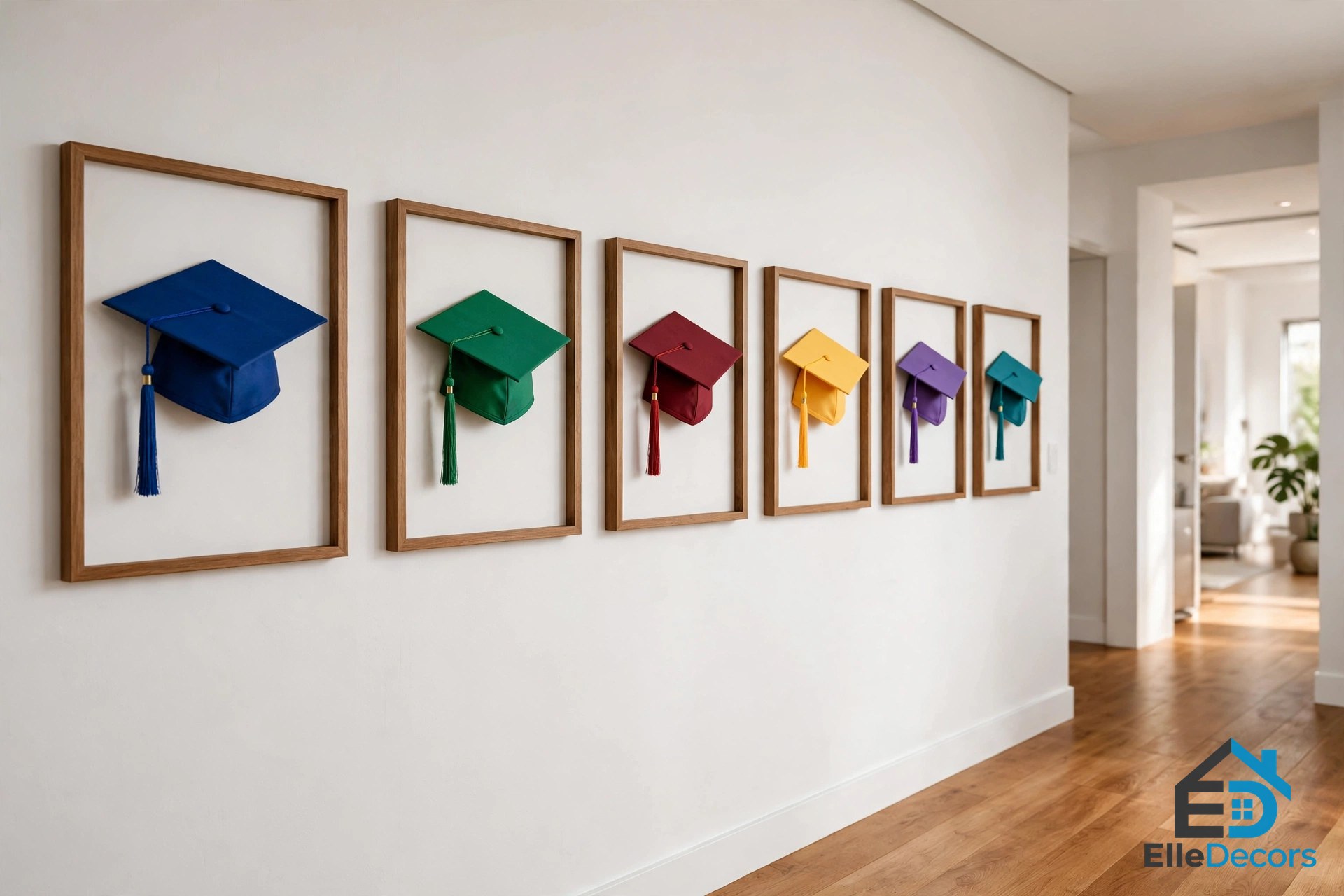
The hallway carries one of the film’s best jokes: a wall decorated with graduation caps in different colours, because Edward has been “matriculating” for a very long time and the Cullens never age.
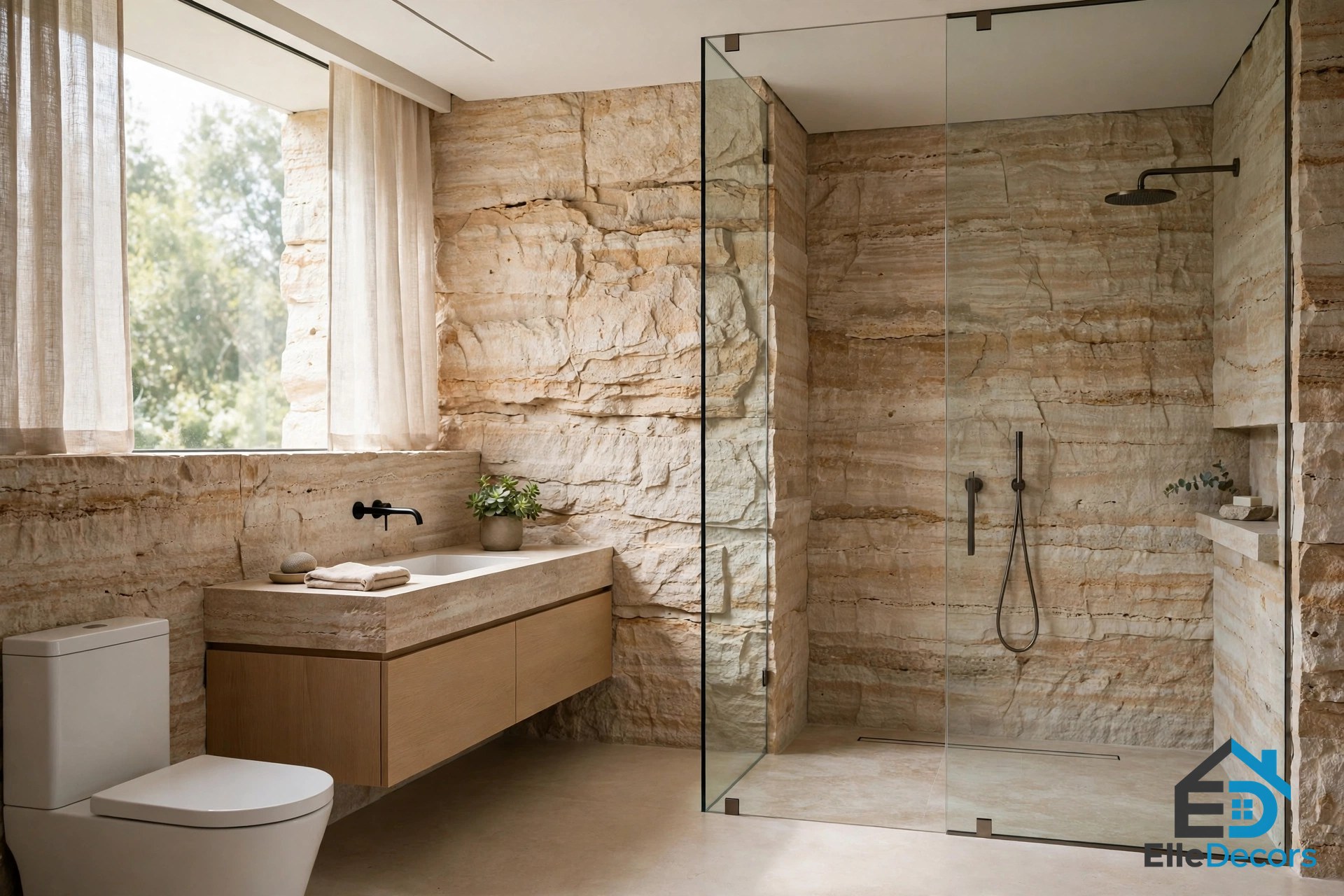
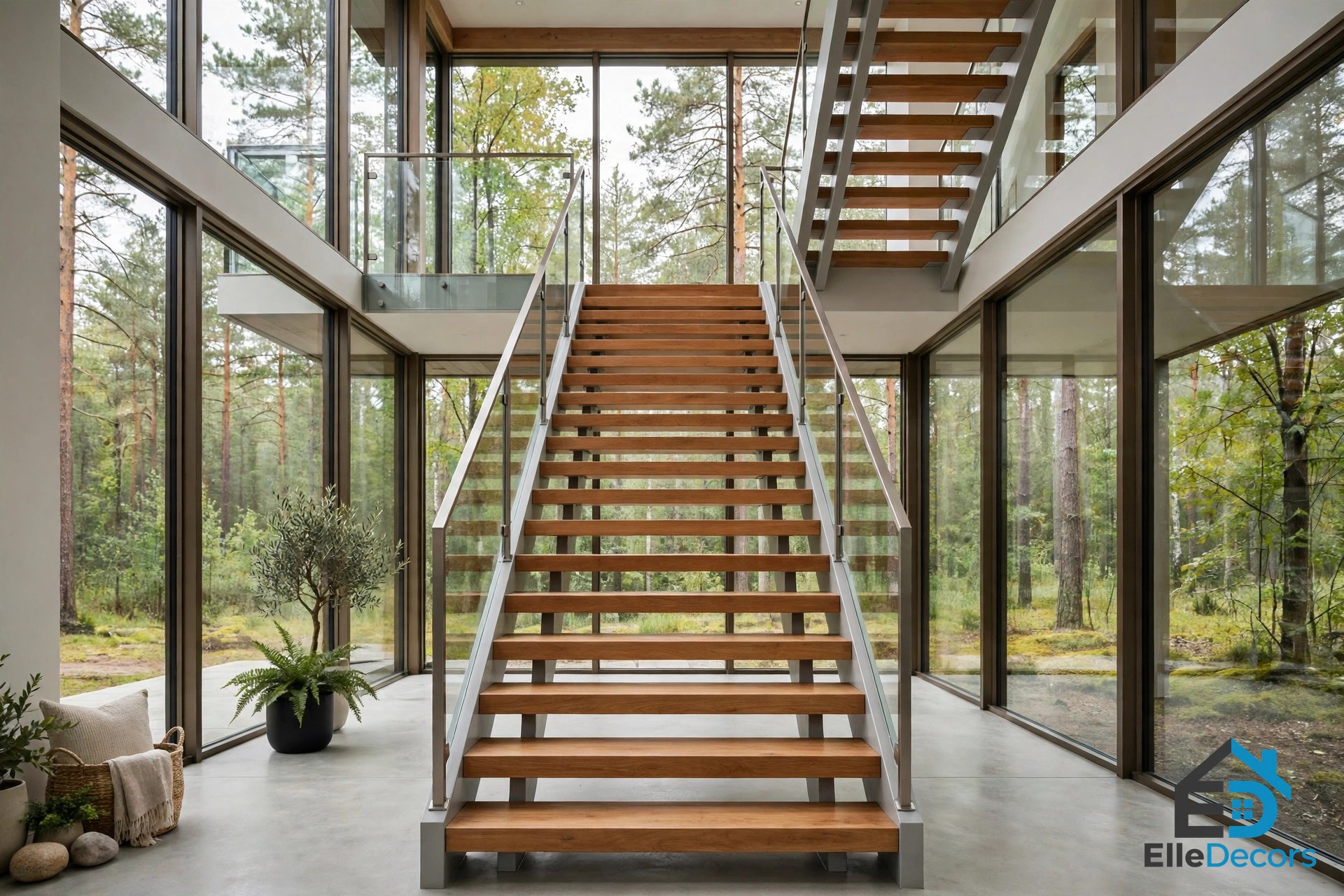
Edward’s room is the most telling room in the house. He does not have a bed, because vampires never sleep. The room is minimal, quiet, and filled with light, with books and music rather than furniture. It is the clearest example in the film of a room designed around the person who lives in it rather than around what a bedroom is supposed to contain. The bathroom, glimpsed in the film’s tour of the house, is clean and modern, with stone and glass rather than decoration. The staircase, wide and central, is the spine of the house, joining the open living spaces below to the private rooms above.
Behind the stairs on the first floor sits the family’s office, where the Cullens manage the business affairs that keep their identities intact across the decades. It is a working room, not a showpiece, and the film barely shows it, which is the point: the house keeps its secrets in the rooms nobody visits. The third-floor library serves the same purpose on a grander scale, holding the books and records of a family that has lived for more than a century. Together the office and the library explain the house’s plan: open and glassy where the family meets the world, closed and private where it keeps its history.
The Book House Is a Different House
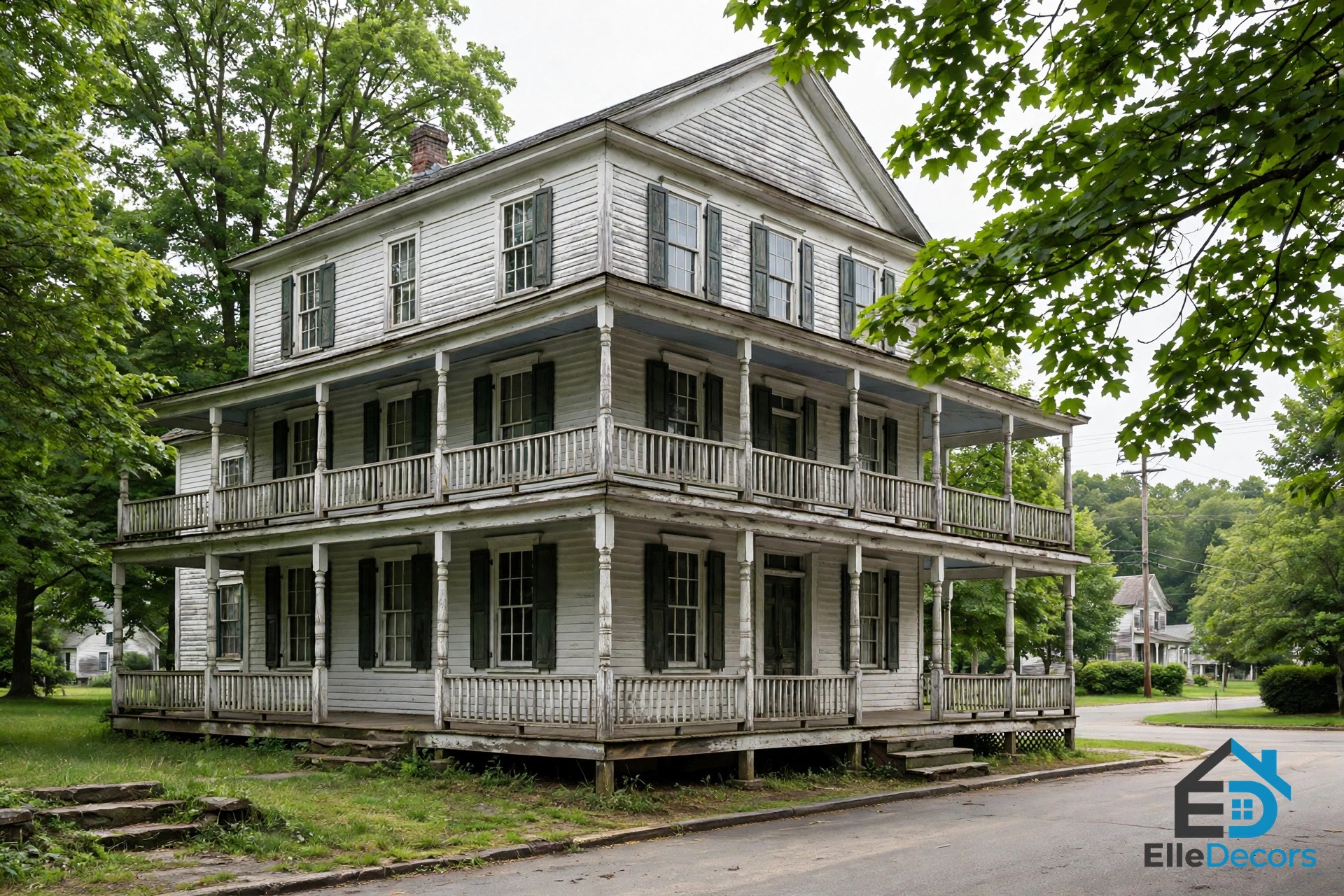
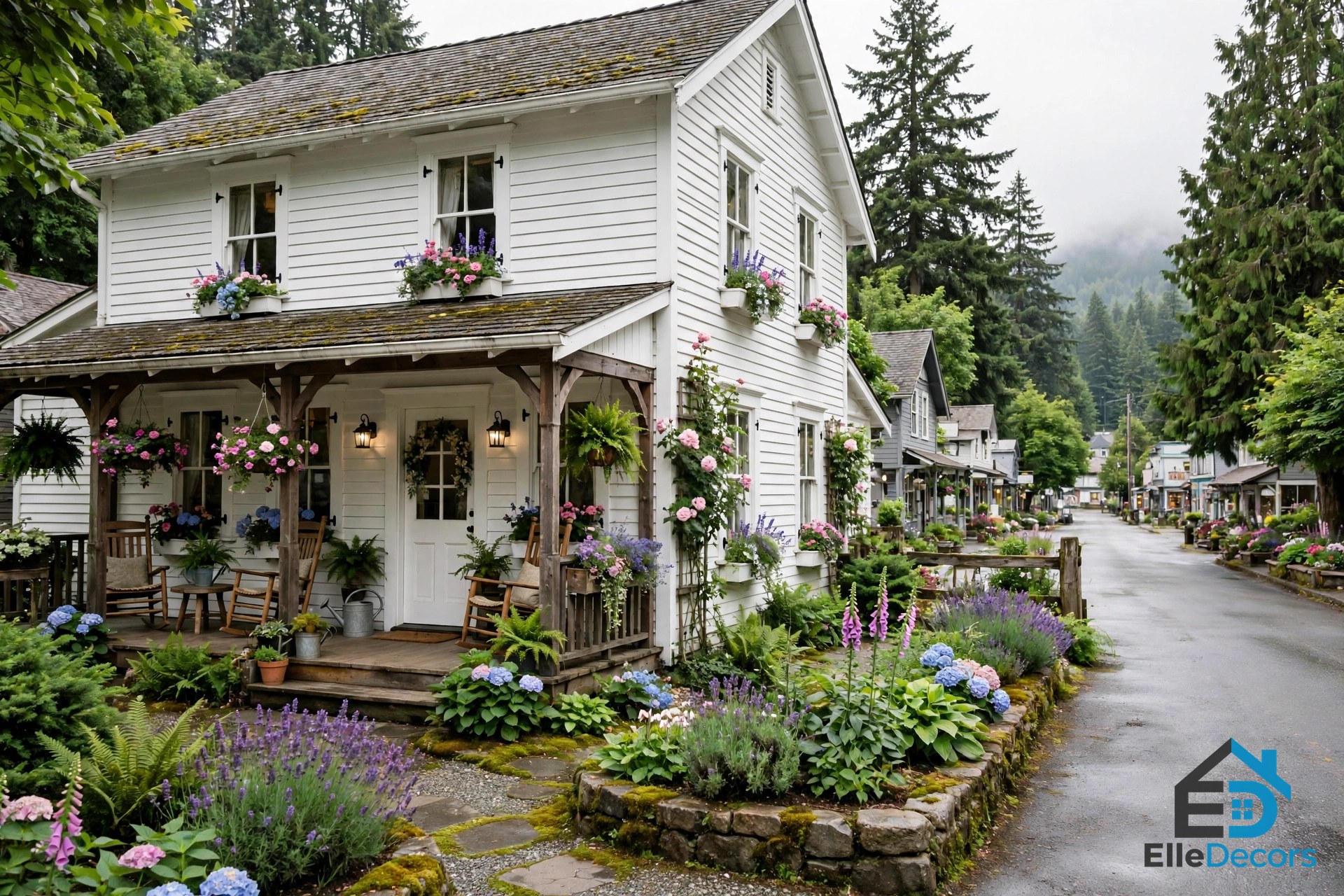
Readers of Stephenie Meyer’s books will notice something odd: the house in the book is not the house in the film at all. In the books, the Cullen house is described as over 100 years old and restored by Esme. It is a large, graceful house, rectangular and well-proportioned, painted a faded white, three stories tall, with a deep porch that wraps around the front.
The southern wall is almost entirely made of glass, with a view of the Calawah River, and it is equipped with a steel shutter to protect the family from attack. Inside, the first story is open and bright, with few internal walls, a wide central staircase to the left, a raised area with a grand piano in the centre to the right, a rarely used dining room and kitchen, and an office behind the stairs where the family manages its business. The third floor holds Carlisle and Esme’s room and the library.
The film’s producers chose the modern Portland house instead, because a glass-walled modernist home reads on screen as wealthy, secretive, and timeless in a way a white farmhouse would not. Fans who want the book’s version can visit the closest real match: the Miller Tree Inn in Forks, Washington, a working bed and breakfast that the town has designated the Cullen House. It looks nothing like the movie house, but it closely matches Meyer’s description, and the inn welcomes fans with Twilight references throughout, including the graduation cap artwork from the films.
The Later Films Used Other Houses
Only the first film uses the Hoke House as the Edward Cullen house in Twilight. The later films in the series used different locations for the Cullen house, including private estates in Greater Vancouver, where the house was rebuilt for the sequels. That is why the house in New Moon and Eclipse looks different from the one in Twilight: it is a different house.
Some online guides confuse the Hoke House with another modernist house in Portland, crediting it to a different architect, but the first film’s house is Skylab’s Hoke House, designed by Jeff Kovel, as confirmed by Skylab itself and by the architecture press. When you see the glass walls and the forest in the first film, you are looking at the Hoke House.
The LEGO Set and the House Today
In February 2025, the Edward Cullen house in Twilight became a LEGO set: LEGO 21354, Twilight: The Cullen House, released through the LEGO Ideas programme from a fan design by Nick Micheels. The set includes the kitchen and living space, the library, and Carlisle’s infirmary, with seven minifigures. Skylab’s founder Jeff Kovel called the recognition an honour, noting that the house now sits in the LEGO collection alongside landmarks such as Fallingwater, Notre Dame, and the Taj Mahal. The set is a useful reminder of how far the house has travelled: from a Portland architect’s first solo project to one of the most recognisable movie houses ever built.
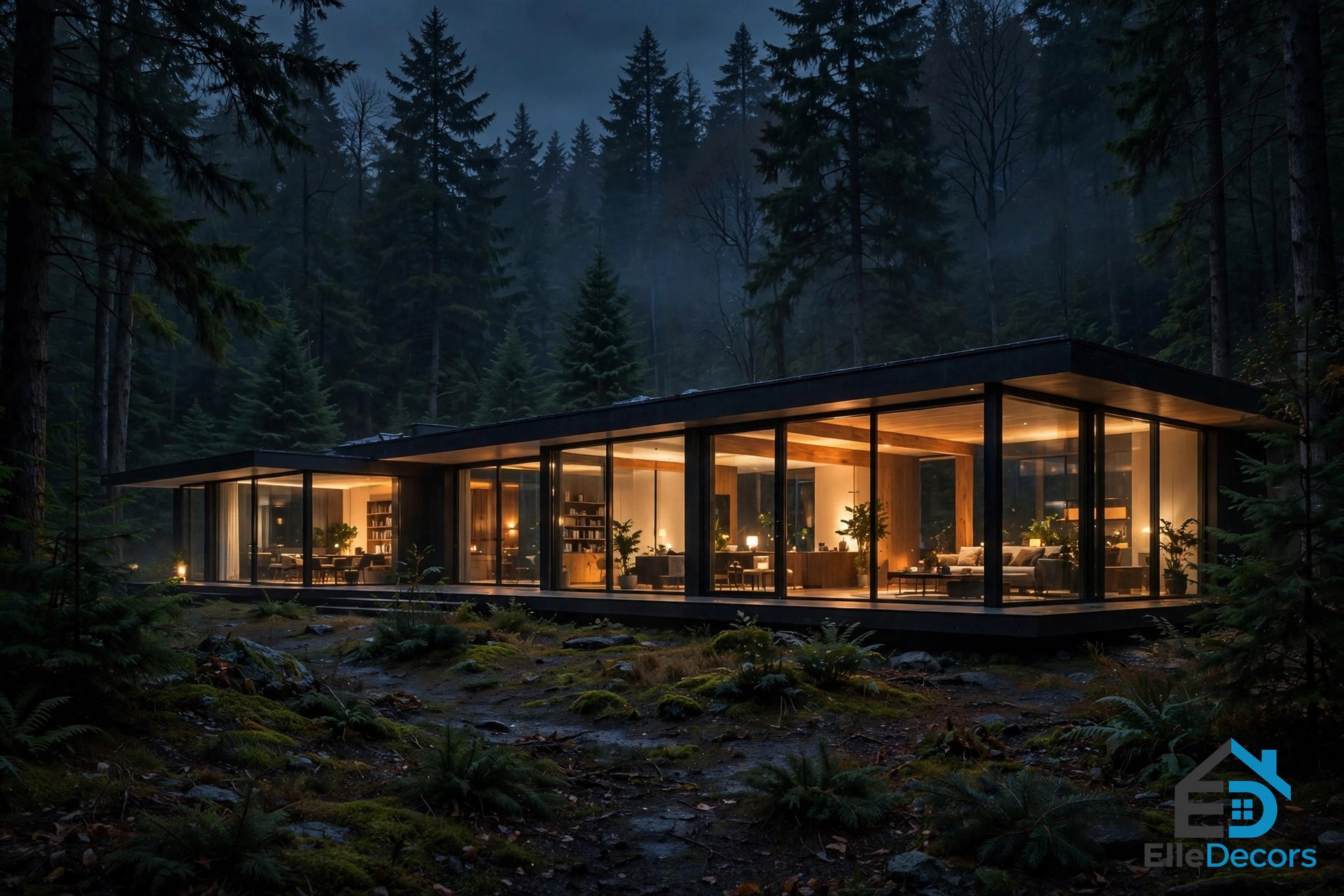
The real house remains a private family home. It is not a museum, not a rental, and not open for tours. The trees have grown taller around it since filming, and the glass still faces the forest exactly as the film showed it. The family who lives there has asked fans to stay at the end of the driveway and take photographs from there. Respect that, and the house will stay as the film left it: essentially unchanged, still standing in its forest above Portland, still the house that made a generation of viewers want glass walls and a piano.
Steal the Look: Glass, Wood, and Quiet
You do not need a vampire’s budget to borrow the ideas of the Edward Cullen house in Twilight. The first is glass used with intent: floor-to-ceiling windows work when they face something worth looking at, such as trees, water, or a garden, and when the rooms behind them are calm enough to let the view lead. The glass-walled rooms in our houses on a river gallery use the same rule beside water.
The second is warm wood against cool glass and steel: the Hoke House pairs timber with glass so the modernism never feels cold, a balance our modern japanese house guide shows in a smaller home.
The third is a muted palette with almost no pattern: the house lets the forest supply the colour, and the interior stays quiet. The fourth is a single focal point per room: a piano, a fireplace, or a large piece of art, with nothing competing against it. And the fifth is designing rooms around the people in them, as Edward’s bed-free bedroom shows: a room that fits its owner beats a room that follows the rules. If you are planning a modern home of your own, the plans in our 3 bedroom house plans guide show how much living space a compact modern plan can hold.
Three Versions of the Cullen House
The confusion around the Edward Cullen house in Twilight comes from the fact that there are really three of them: the movie house, the book house, and the inn that stands in for the book house. This table keeps them straight.
| Version | Where it is | What it looks like | Can you visit? |
|---|---|---|---|
| Movie house (Hoke House) | 3333 NW Quimby St, Portland, Oregon | Modern glass and wood, completed 2007, about 4,900 sq ft | Private residence; street view only |
| Book house | Fictional, outside Forks, Washington | White farmhouse, 100+ years old, three stories, deep porch | Does not exist |
| Miller Tree Inn | Forks, Washington | White inn matching the book description | Yes, bookable bed and breakfast |
Watch: Visiting the Real Cullen House
Watch a fan’s real-life visit to the Cullen House in Portland, filmed on a road trip through the Pacific Northwest, with Multnomah Falls along the way. It shows the house from the street, as visitors actually see it, and the video’s own description notes that a private-property sign now stands at the location. Use it to see the house in its forest setting, not as a tour of the interior, which is private.
Video: A fan visits the Cullen House from Twilight in real life, in Portland, Oregon.
Frequently Asked Questions
Where is the Edward Cullen house in Twilight in real life?
The Edward Cullen house in Twilight in real life is the Hoke House at 3333 NW Quimby Street in Portland, Oregon. It was designed by Jeff Kovel of Skylab Architecture, completed in 2007, and built for Nike executive John Hoke. The story is set in Forks, Washington, but the first film was shot in Portland, about 170 miles from Forks.
Is the Cullen house a real house you can visit?
It is a real house, but it is a private residence and you cannot go inside or tour it. Fans can view it respectfully from the street and should not trespass or knock. The closest place you can actually stay is the Miller Tree Inn in Forks, Washington, which matches the book’s description of the Cullen house and welcomes fans as a bed and breakfast. The inn sits in Forks itself, at the heart of the town the books made famous, and it books out months ahead during festival week, so plan early.
Why does the house look different in the later Twilight films?
Only the first film used the Hoke House. The later films used different locations, including private estates in Greater Vancouver where the Cullen house was rebuilt for the sequels. That is why the house in New Moon and Eclipse looks different from the one in the first Twilight film.
Does Edward Cullen have a bedroom in the house?
In the film, Edward’s room is on the third floor and faces south, but he has no bed, because vampires never sleep. The room is minimal and filled with light, with books and music rather than bedroom furniture. In the books, Edward’s room is also on the third floor, facing south, with the rest of the floor given over to the library.
The Bottom Line
The Edward Cullen house in Twilight is real, and it is worth knowing which real house it is. The Hoke House in Portland, designed by Jeff Kovel of Skylab Architecture and completed in 2007, gave the first film its glass walls, its forest, and its piano. The book described a different house entirely, a white farmhouse outside Forks, and the Miller Tree Inn keeps that version alive for visitors. Remember the difference, respect the privacy of the real home, and the house stays what the film made it: a modern house in the trees that still makes people want to live behind glass.