Mid Century Modern Living Room Furniture: Iconic Pieces, Warm Woods, and Layouts That Still Work
Audio Summary
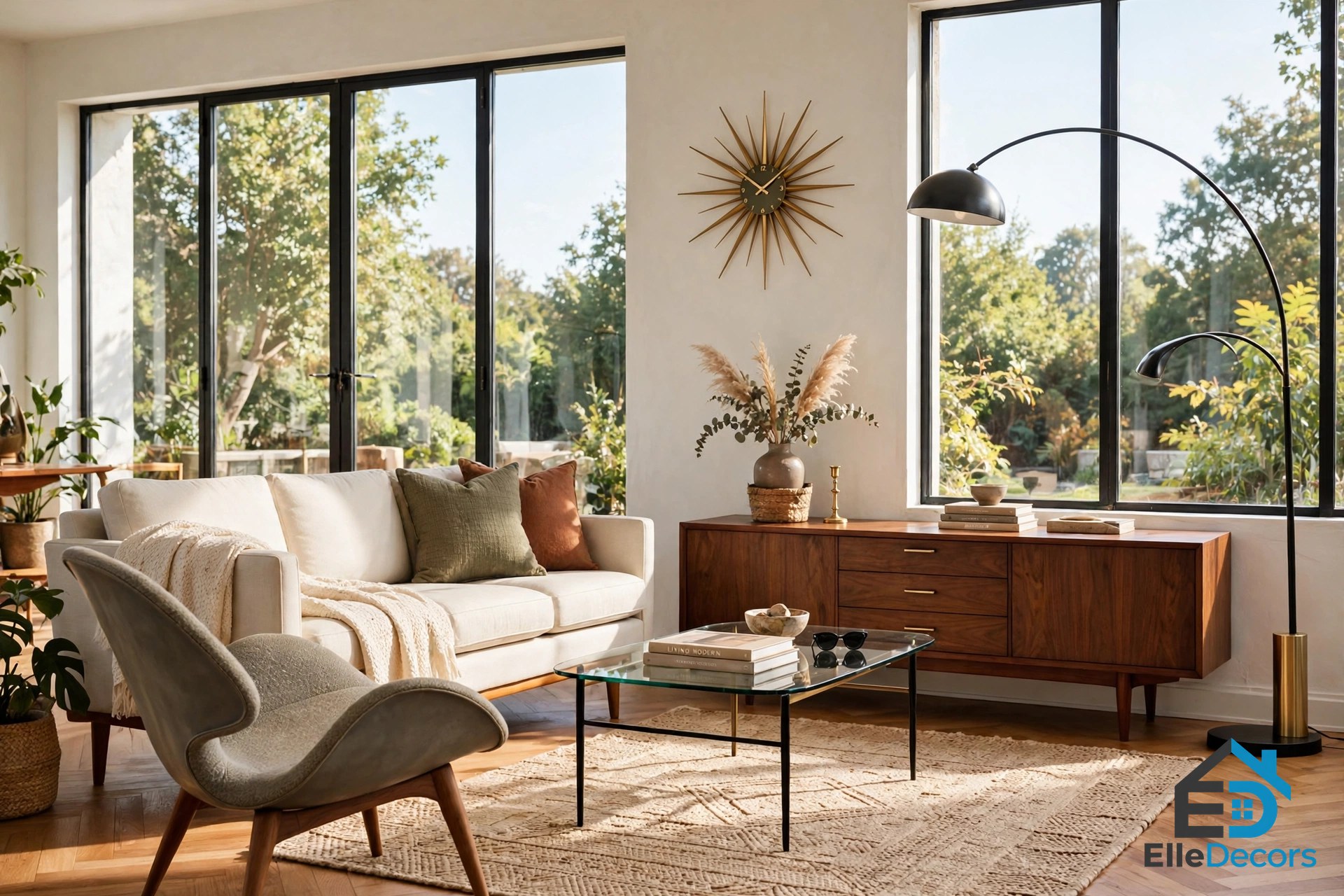
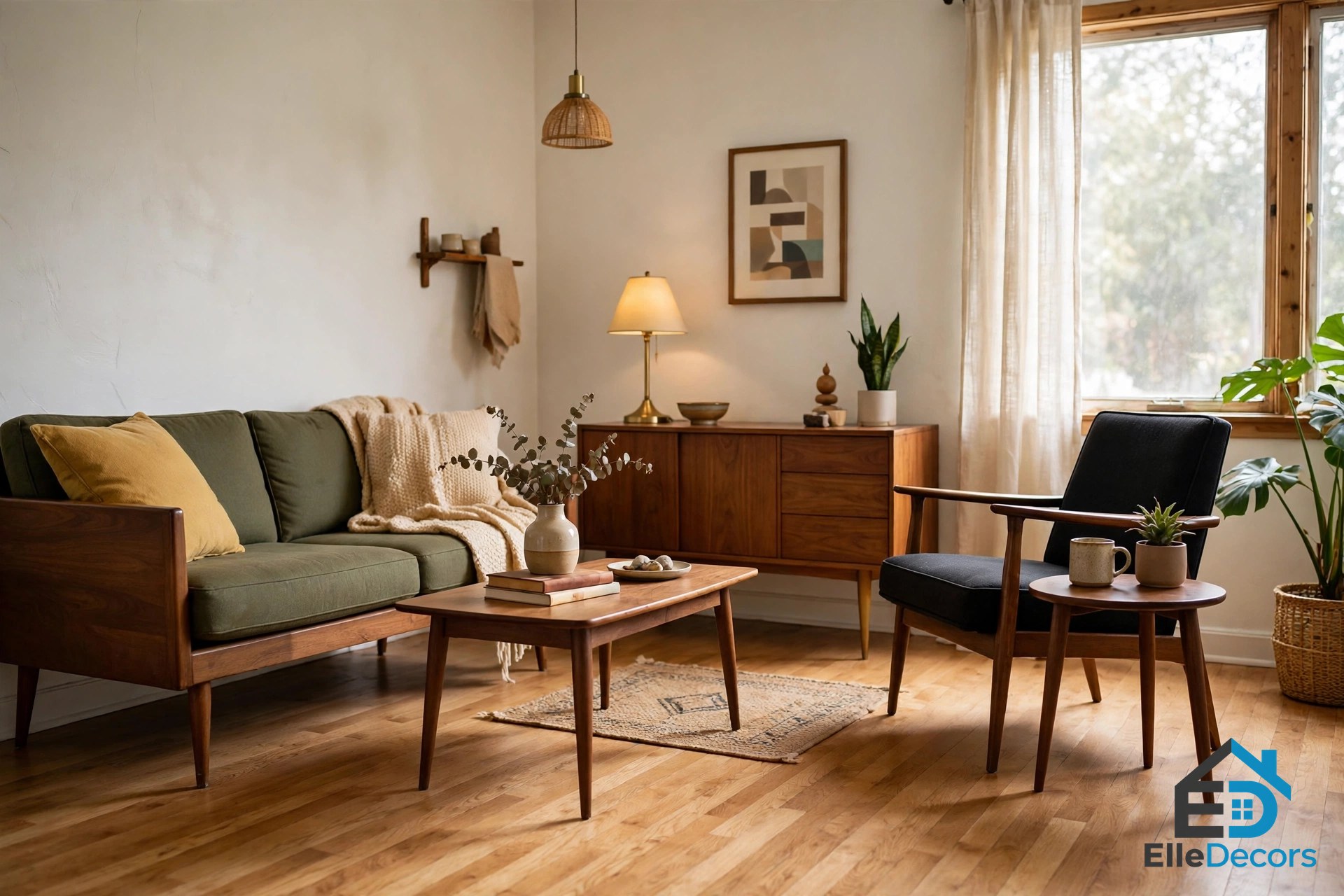
Some furniture never really goes out of style. Mid century modern living room furniture comes from the decades right after World War II, when designers traded heavy, carved pieces for clean lines, warm wood, and shapes that look almost like sculpture. Once you know the signs, the look is easy to spot: a low sofa on slim, tapered legs, a long wooden credenza, a curved lounge chair, and a lamp that arcs or bursts out like a star.
This guide breaks the style down piece by piece. You will learn what makes a piece mid century, which classic designs still anchor rooms today, and how to arrange them — whether you start with a vintage find, a licensed classic, or a new piece inspired by the era.
What Defines Mid Century Modern Living Room Furniture
The style grew up in the years after World War II and flourished from about the mid-1940s to the late 1960s. New homes were smaller and more open than the formal houses before them, and families wanted rooms that felt light and easy. Designers answered with furniture that was useful first and beautiful because of it.
A few traits show up again and again:
- Clean lines and little ornament. There is no carving, fringe, or fussy trim. The shape of the piece and the grain of the wood do the decorating.
- Low, horizontal shapes. Sofas, credenzas, and tables sit low and stretch wide, so a room feels calm and open.
- Raised legs. Almost every piece stands on slim legs — tapered wood, hairpin steel, or a single pedestal. You can see the floor under the furniture, which makes the room feel bigger.
- A mix of straight and curved. A boxy sofa might face a kidney-shaped coffee table. Designers paired crisp lines with soft, organic curves taken from nature.
- Old and new materials side by side. Warm teak and walnut sit next to the new factory materials of the time: molded plywood, fiberglass, molded plastic, glass, and cast aluminum.
Get the scale and the legs right, and any piece of mid century living room furniture you add later will feel at home. Color and decor can come last.
The Essential Pieces
Start With a Low, Clean-Lined Sofa
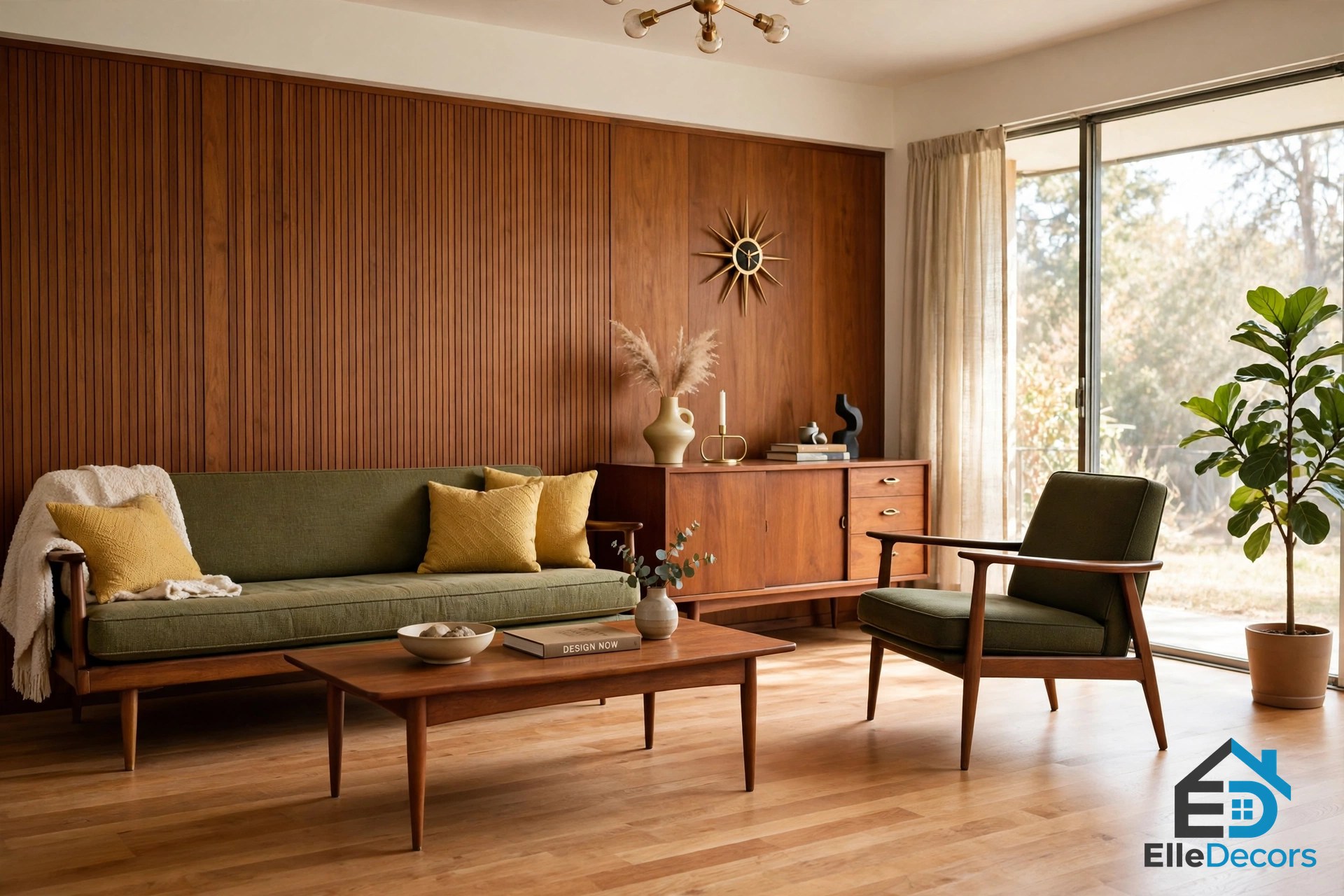
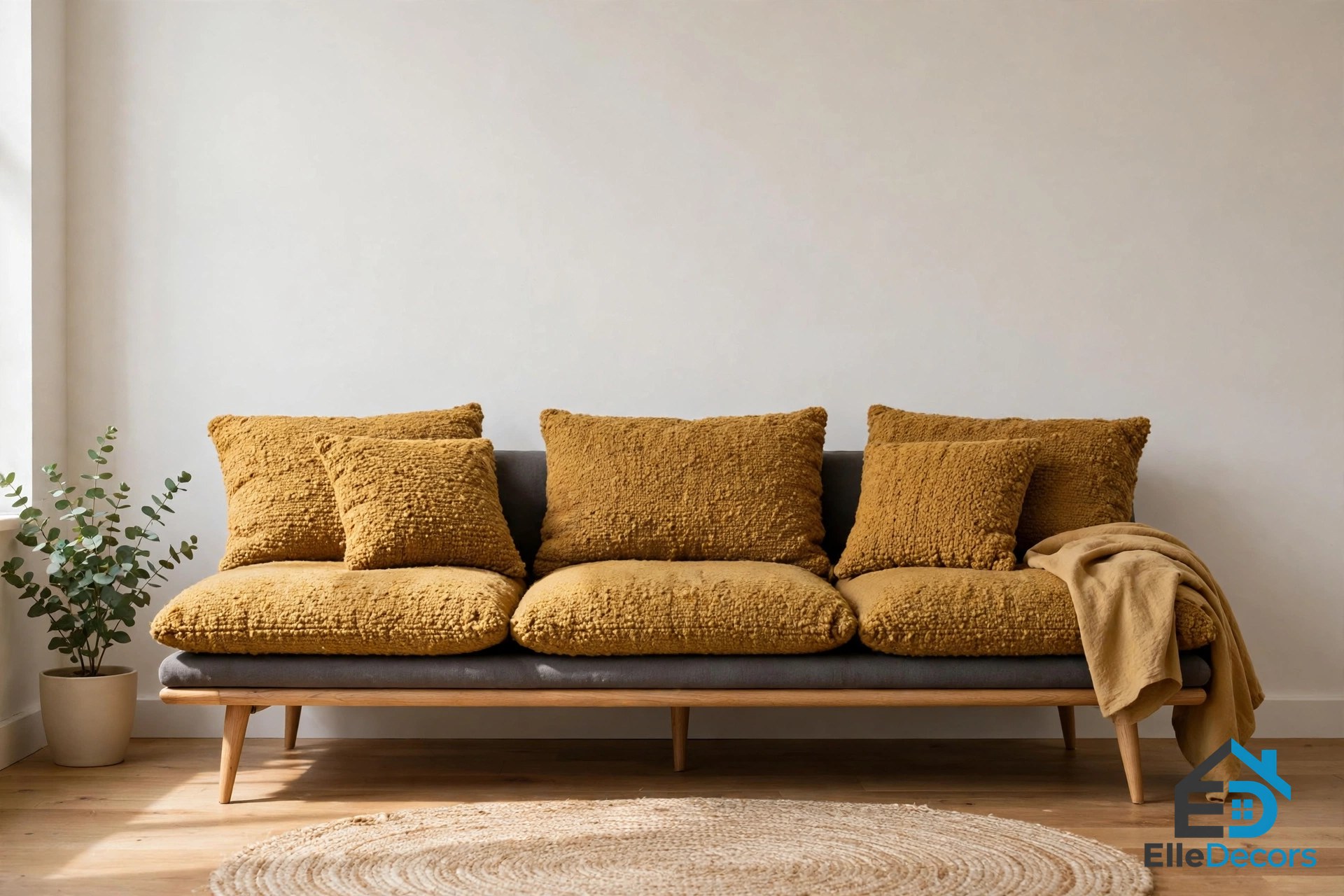
The sofa sets the tone for the whole room. Look for a low back, straight lines, slim arms, and legs you can see — ideally tapered wood legs that splay out a little. Upholstery was often a textured fabric in a solid color: mustard, teal, burnt orange, or a calm gray or cream. The Florence Knoll sofa, with its neat, boxy shape and tufted cushions, is the classic example of the form.
Most rooms start here, because the sofa is the biggest piece of mid century modern living room furniture you will buy. If the sofa has the right low shape and visible legs, even plain modern pieces around it will start to read as mid century.
Add One Sculptural Lounge Chair
If the sofa is the anchor, the lounge chair is the star. This is the piece guests ask about, and the era produced the most famous chairs in furniture history.
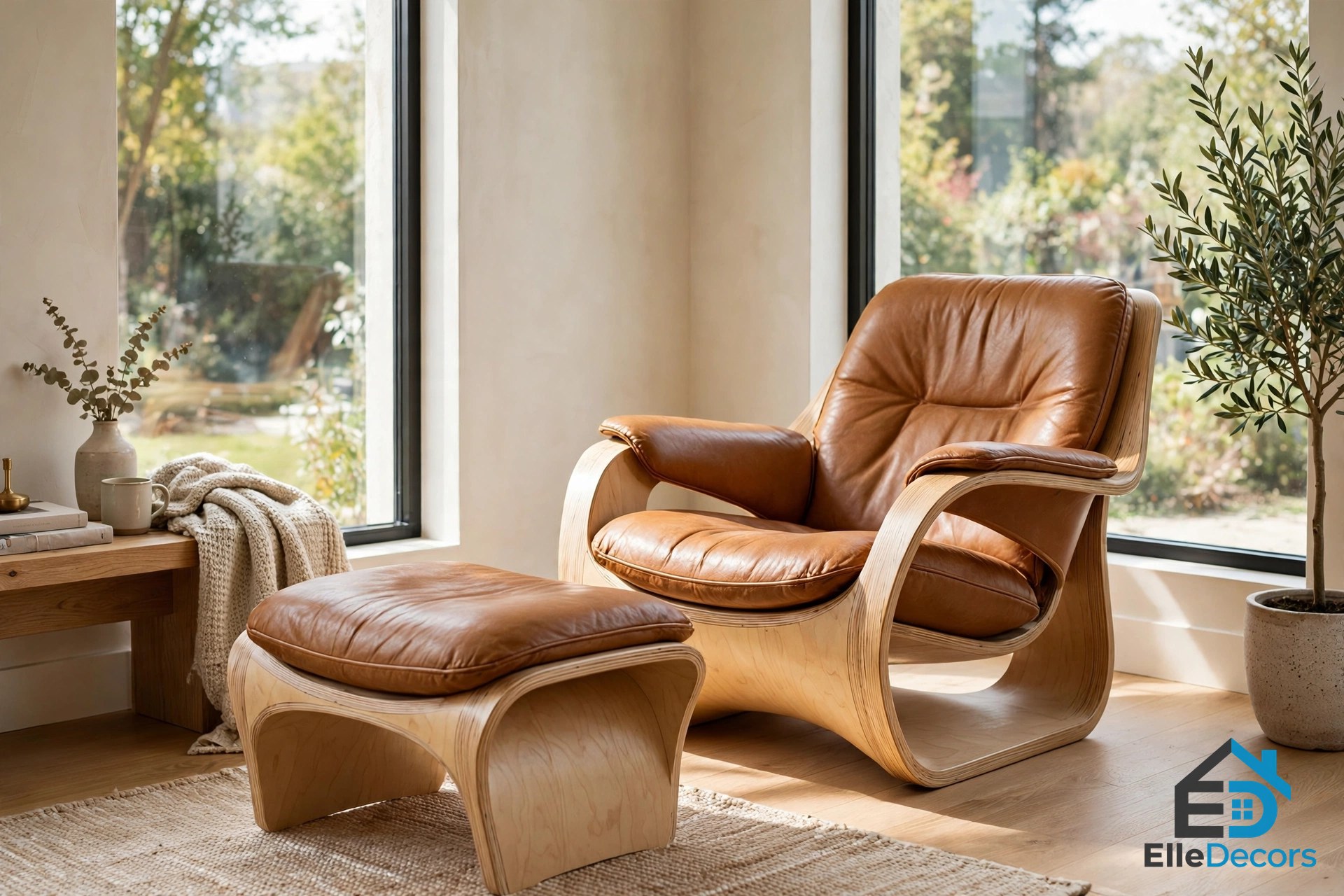
Charles and Ray Eames designed their Lounge Chair and Ottoman in 1956. Herman Miller, which still makes it, describes it as a modern take on the old club chair: curved shells of molded plywood, soft leather cushions, and a matching ottoman. The Eameses had spent the 1940s learning how to bend plywood into shapes that fit the body, and this chair is where that work paid off.
A few years earlier, in 1948, Eero Saarinen designed the Womb Chair for Knoll. Florence Knoll had asked him for “a chair that was like a basket full of pillows, something I could really curl up in.” Saarinen answered with a wide shell of reinforced fiberglass, padded and covered in fabric, that lets you sit almost any way you like — sideways, curled, or stretched out.
Of all the seats in mid century modern living room furniture, these sculptural chairs carry the most personality. Our guide to the sculptural chair shows how one bold seat can lift a plain room. The key rule: pick one statement chair — two famous chairs in one room compete instead of talking to each other.
Choose a Coffee Table That Acts Like Sculpture
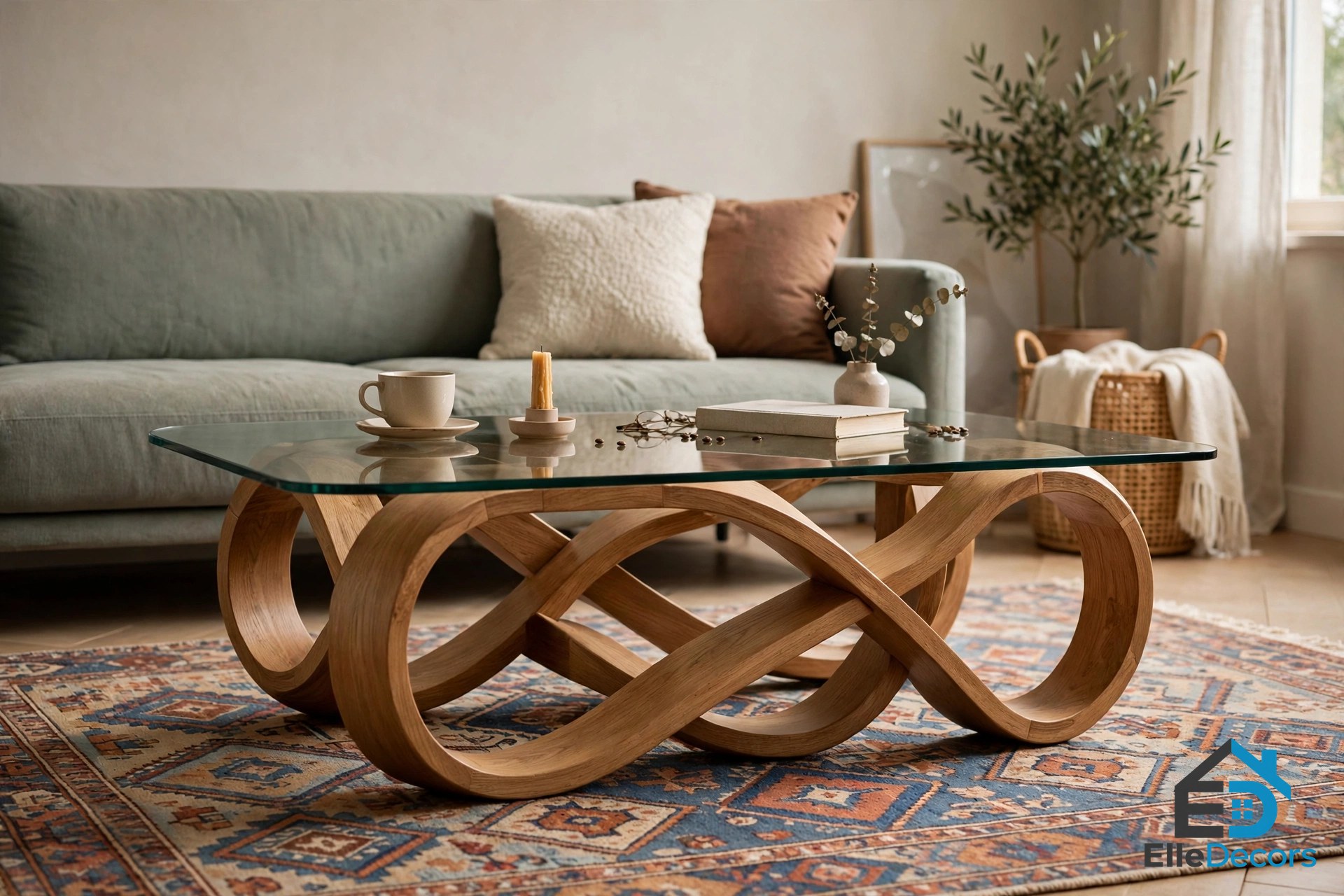
The coffee table sits in the middle of the room, so mid century designers treated it like a small work of art. The best-known example is the table Isamu Noguchi designed for Herman Miller in 1948. Its base is two identical, interlocking pieces of solid wood under a thick, free-form sheet of glass. Because the top is glass, you can see the rug through it, which helps a small room feel open.
If glass is not for you, look for the other shapes of the era: oval or kidney-shaped wood tops, surfboard-long rectangles, and simple round tables — always on slim legs, never on a heavy block base.
Anchor the Wall With a Credenza
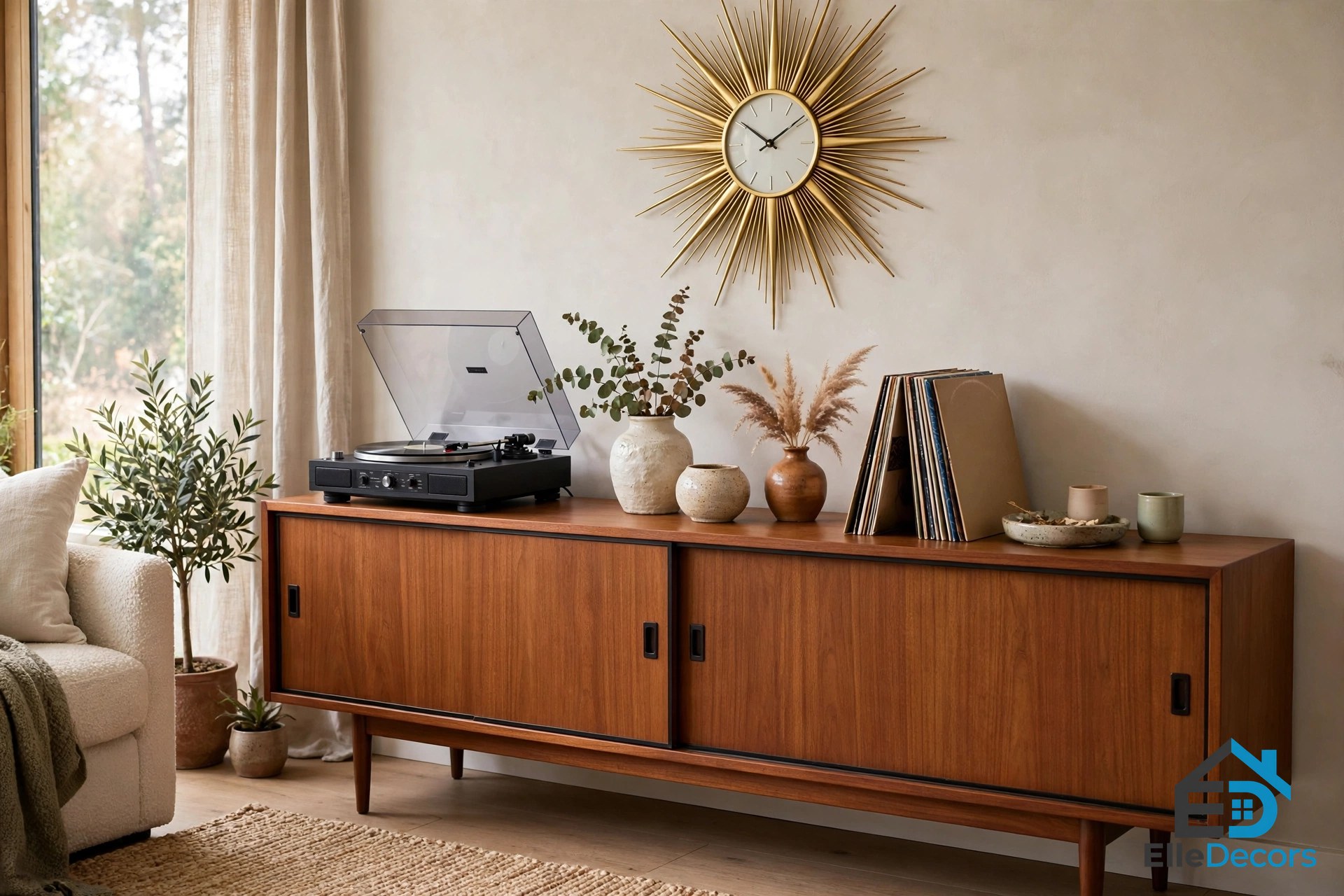
Every mid century living room needs its long, low storage piece. A credenza (also called a sideboard) runs along the wall, holds the TV, records, games, and spare blankets, and gives you a surface for a lamp, a plant, or a row of ceramics. Sliding doors, simple pulls, and tapered legs are the details to look for.
Wood choice matters most here. Danish designers favored golden teak, while American makers leaned on darker walnut; rosewood shows up on finer vintage pieces. Pick one wood and let it lead the room, then echo it in smaller pieces. Our article on the best use of wood in modern designs goes deeper on mixing wood tones without a fight. A long credenza of mid century modern living room furniture also does a quiet second job: in an open-plan space, it can divide the living zone from the dining zone without blocking light or views.
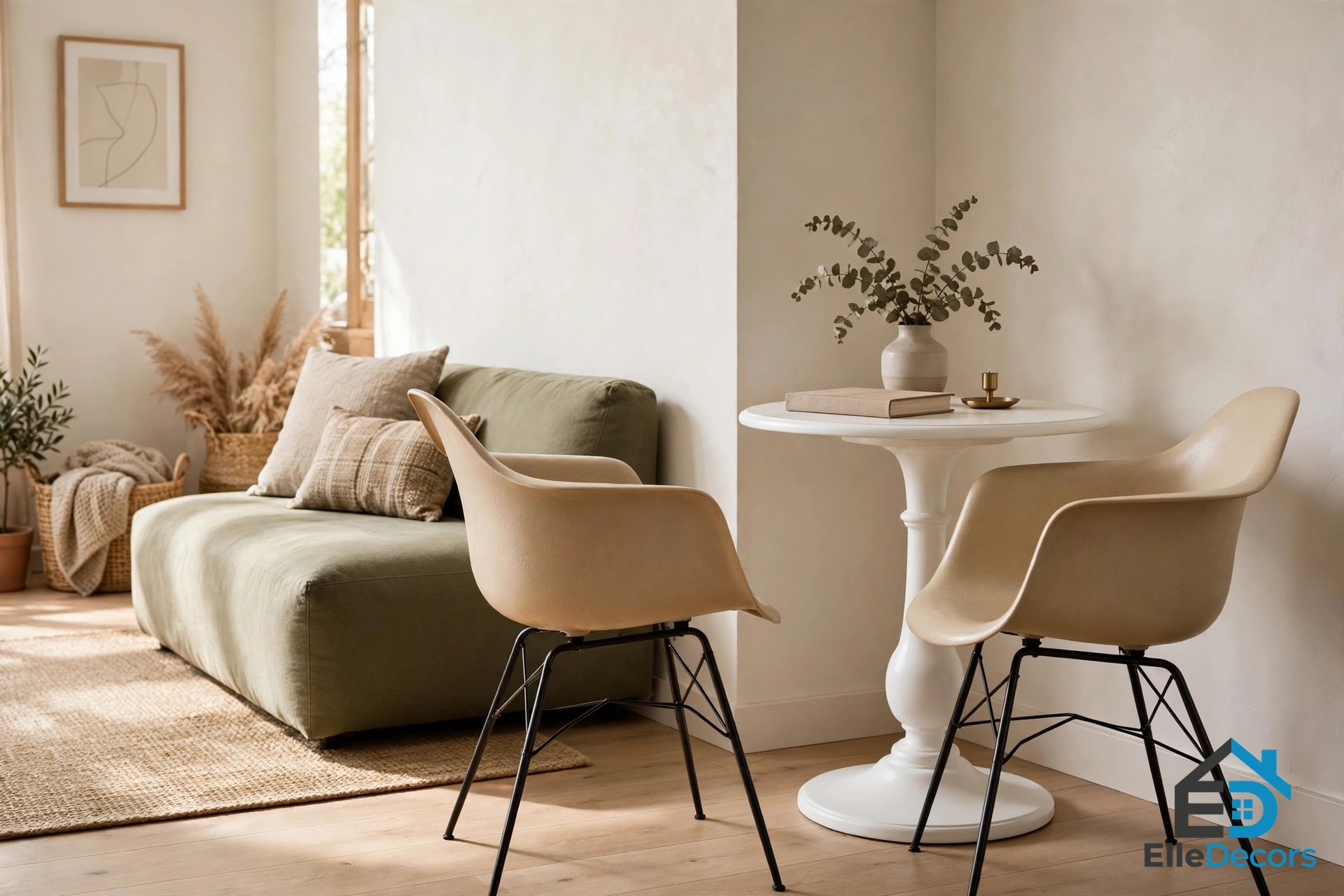
Bring In Pedestal Tables and Molded Shell Chairs
Not every famous piece is big. Eero Saarinen’s Tulip series, designed in 1955-56, replaced four legs with one smooth pedestal. As MoMA quotes him, he wanted to clear up the “slum of legs” under tables and chairs and “make the chair all one thing again.” The shell looks like one piece of plastic, but it is really a fiberglass seat on an aluminum stem. A small Tulip side table next to a sofa still gives that clean, space-age note.
The Eameses took on the same problem from the other side. Their molded shell chairs, first made in fiberglass in 1950, are light, stackable, and happy almost anywhere: pulled up to a desk, paired in a corner, or used as spare seats when friends visit.
Light It With Arcs, Globes, and Starbursts
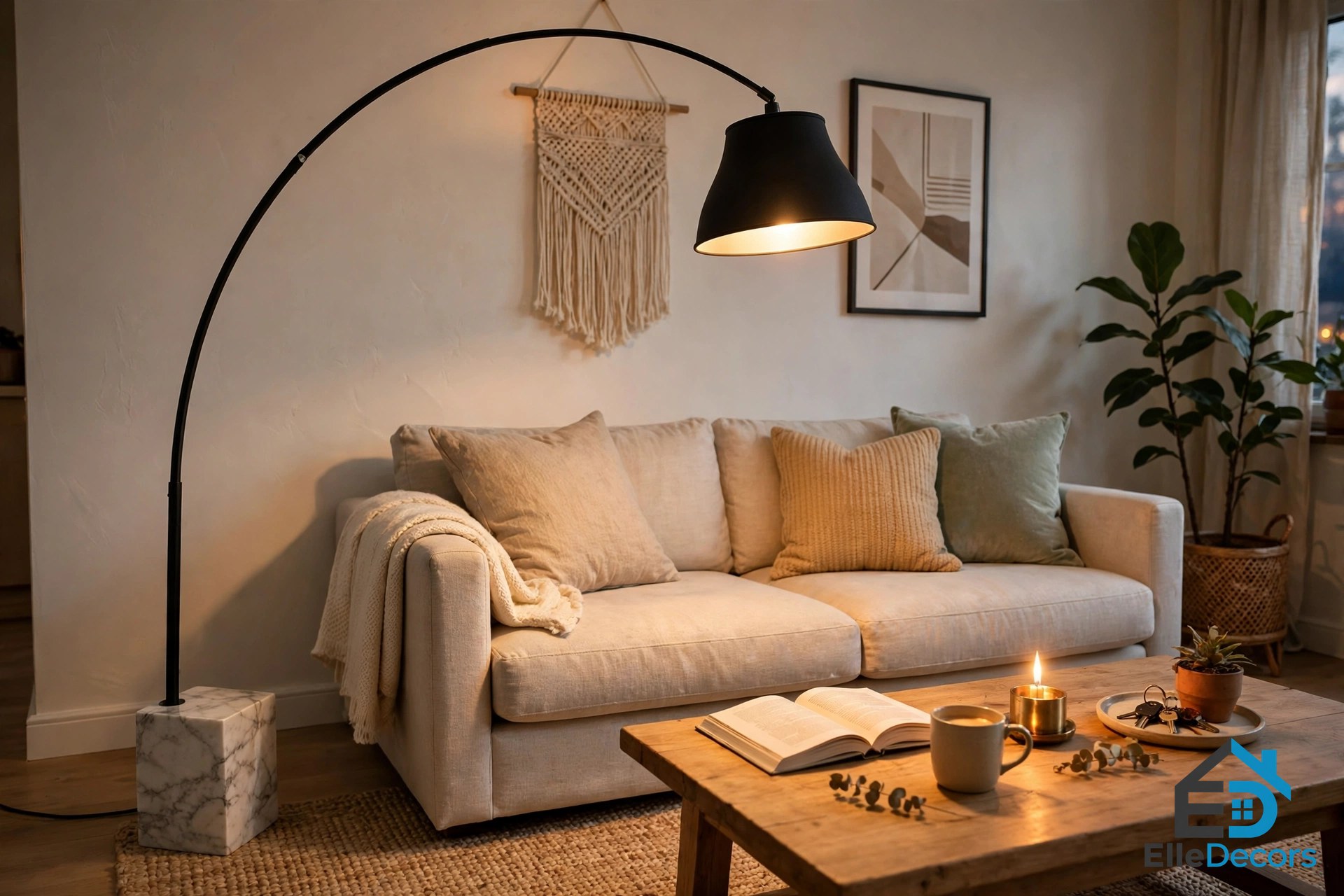
Mid century lighting was bold, and it is where mid century modern living room furniture gets much of its drama. The most famous floor lamp of the era is the Arco, designed in 1962 by brothers Achille and Pier Giacomo Castiglioni for the Italian maker Flos. A heavy block of Carrara marble anchors a long steel arc that reaches about eight feet out, so the shade hangs over your sofa like a ceiling light — with no ceiling wiring at all. MoMA keeps the Arco in its collection, and it is still in production today.
For softer light, look at globe pendants and the round Bubble lamps of George Nelson, Herman Miller’s design director, whose slatted Platform Bench from 1946 is another small classic. And for pure fun, there are the starburst clocks and Sputnik-style lights, named for the first satellite, launched in 1957. One starburst clock over a credenza gives a room instant mid century character.
Finish With the Right Rug
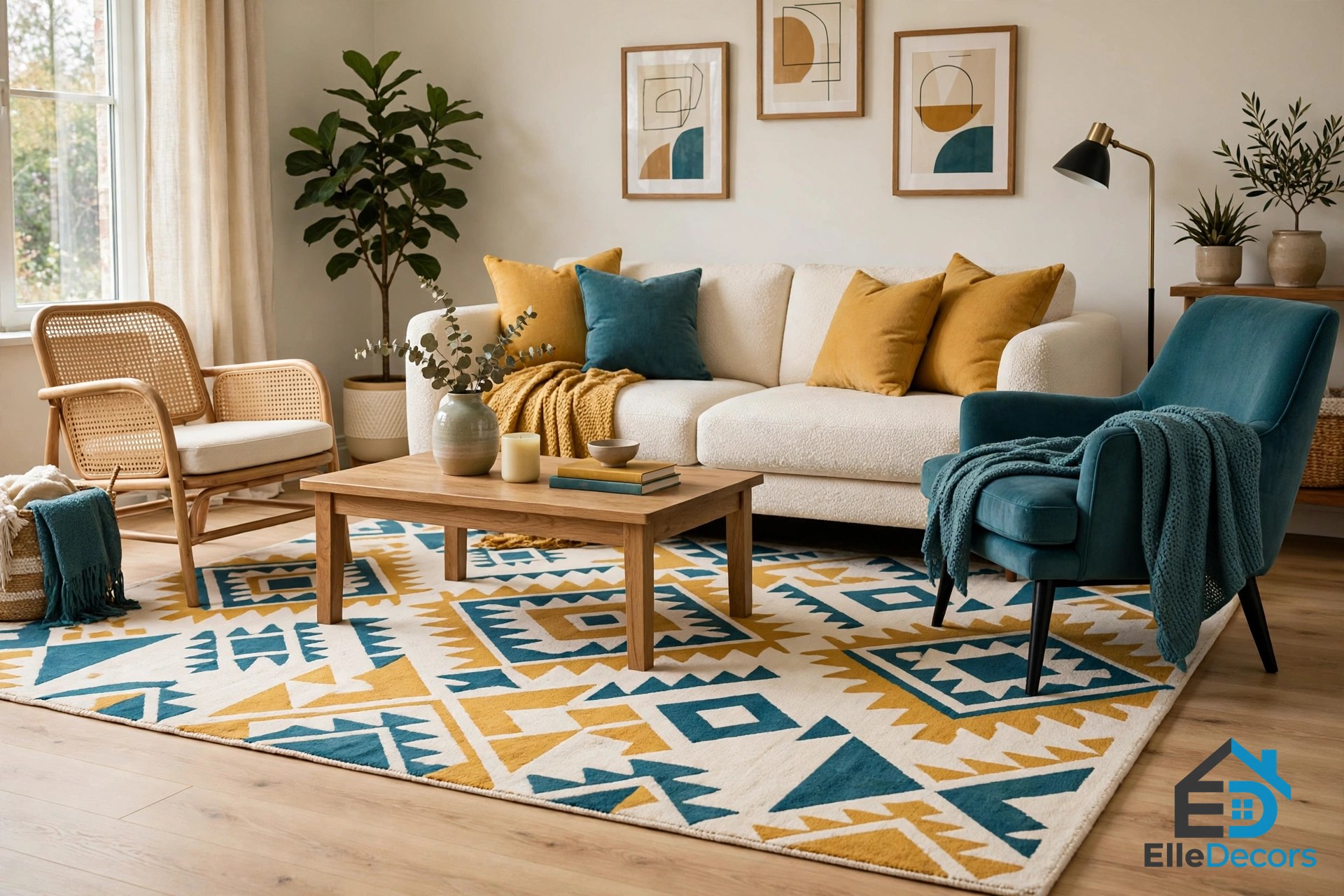
A mid century modern rug ties the seating group together. Choose a flat weave or a low pile so the furniture legs stay visible. Solid cream or warm gray keeps the focus on the wood. A simple geometric pattern in mustard, orange, or teal adds the era’s color in one controlled dose. Size it so at least the front legs of the sofa and chairs sit on the rug.
The Pieces at a Glance
| Piece | What to look for |
|---|---|
| Sofa | Low back, slim arms, tapered wood legs, solid textured fabric |
| Lounge chair | One sculptural shape — molded plywood, leather, or a wide fiberglass shell |
| Coffee table | Glass top on a sculptural wood base, or an oval or kidney-shaped wood top |
| Credenza | Long and low, sliding doors, teak or walnut, raised on legs |
| Side tables and chairs | Pedestal bases or molded shells; light enough to move |
| Floor lamp | An arc over the seating, or a simple stem with a globe or drum shade |
| Rug | Flat weave, solid color or one geometric pattern |
How to Arrange Mid Century Modern Living Room Furniture
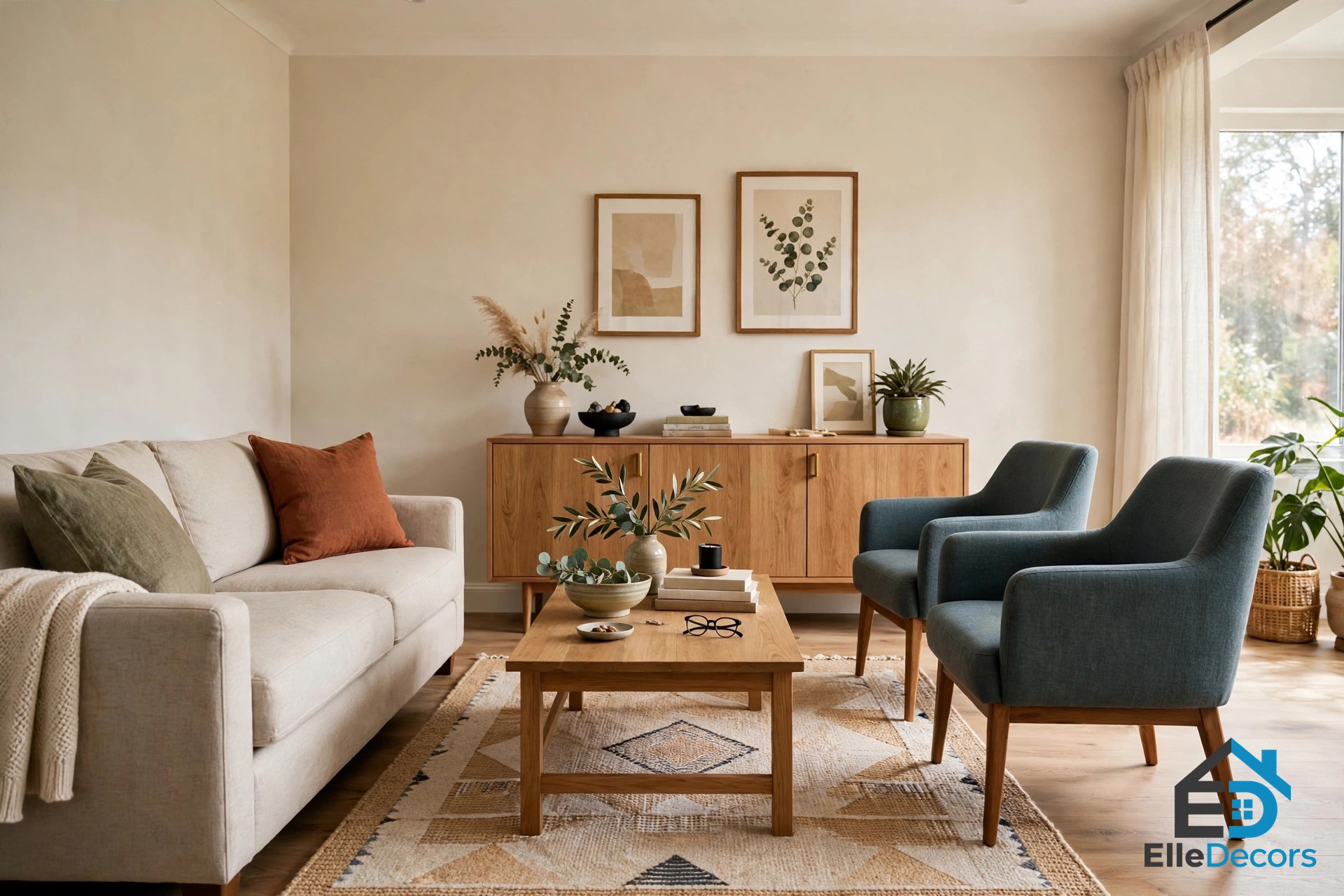
Arrangement matters as much as the pieces. The period’s rooms were built for talking and for looking out at the garden, not for staring at a screen. These habits still work:
- Build a conversation group. Face the sofa and chairs toward each other across the coffee table, all of them on or touching the rug. Keep every seat within easy reach of the table.
- Keep the long, low line. Hang art lower than feels normal, just above the credenza, so the eye travels in one calm horizontal band.
- Respect the windows. Put tall pieces on inside walls and keep the window wall clear. Face at least some seating toward the light and the view.
- Float the furniture. Pulling the sofa off the wall can make a small room feel planned rather than pushed aside, because raised pieces keep the room feeling airy.
- Repeat one detail. If the credenza has tapered legs, a side table or sofa with similar legs quietly ties the room together.
Small rooms are where this style shines. Raised legs show more floor, glass tops let light through, and one low credenza replaces a tall, bulky storage unit. If your whole living space is compact, the same tricks run through our studio flat furnishing ideas.
Seeing a real room helps more than any list. This full tour of a Toronto condo remade as a warm mid century home has a long living room section, with wood paneling, sourced vintage chairs, rugs, and coffee tables:
Mistakes That Make the Look Fall Flat
- Buying a full matching set. A room where every piece comes from one “mid century collection” looks like a catalog photo. Real rooms mix a vintage find or two with simpler new pieces.
- Fighting wood tones. Teak and walnut are both right for the era, but mixed in equal amounts they clash. Let one lead and keep the other to small accents. This is the most common slip with mid century living room furniture, and the easiest to fix.
- Too many stars. An Eames-style lounge chair, a starburst clock, a Sputnik light, and a patterned rug all at once turns a living room into a theme set. One or two icons are enough.
- Going tall. High bookcases and chunky entertainment centers break the low line that makes the style feel calm. Keep storage low and long.
- Calling a copy an original. The true classics are still made under license by their original makers — Herman Miller for Eames and Noguchi pieces, Knoll for Saarinen’s chairs and tables, Flos for the Arco. Inspired pieces can look great and cost far less, but they are copies, and honest sellers say so. If the real thing matters to you, buy from the maker or an authorized dealer and check for the maker’s mark.
Questions People Ask
What years does mid century modern cover?
Most guides place the style from the mid-1940s to the late 1960s, with the 1950s as its peak. The famous living room designs cluster in that window: the Womb Chair in 1948, the Noguchi table in 1948, the Eames Lounge Chair in 1956, and the Arco lamp in 1962.
What is the most iconic mid century modern piece?
For most people it is the Eames Lounge Chair and Ottoman from 1956. Its molded plywood shells and leather cushions sum up the era’s mix of new materials and comfort, and Herman Miller has kept it in production ever since.
What should I buy first?
Start with three pieces of mid century modern living room furniture: a low sofa on tapered legs, a long credenza in one warm wood, and one sculptural chair. Add a rug and one good lamp, and the room will already read as mid century. Everything else can come slowly.
Can I mix mid century furniture with what I already own?
Yes, and most real living rooms do. Keep one or two mid century anchors — a credenza or a lounge chair — and choose your other pieces in the same spirit: low, simple, and raised on legs if you can. Heavily carved or overstuffed traditional pieces are the ones that clash.
How can I tell an original from a copy?
Check for the maker’s mark. Licensed originals carry the manufacturer’s logo and often the designer’s signature — Knoll, for example, marks the frame of the Womb Chair. Buy from the maker or a listed dealer when authenticity matters, and be wary of a “designer original” at a copy’s price. For everyday rooms, a clearly labeled inspired piece is a fine, honest choice.
Start With One Piece and Let It Lead
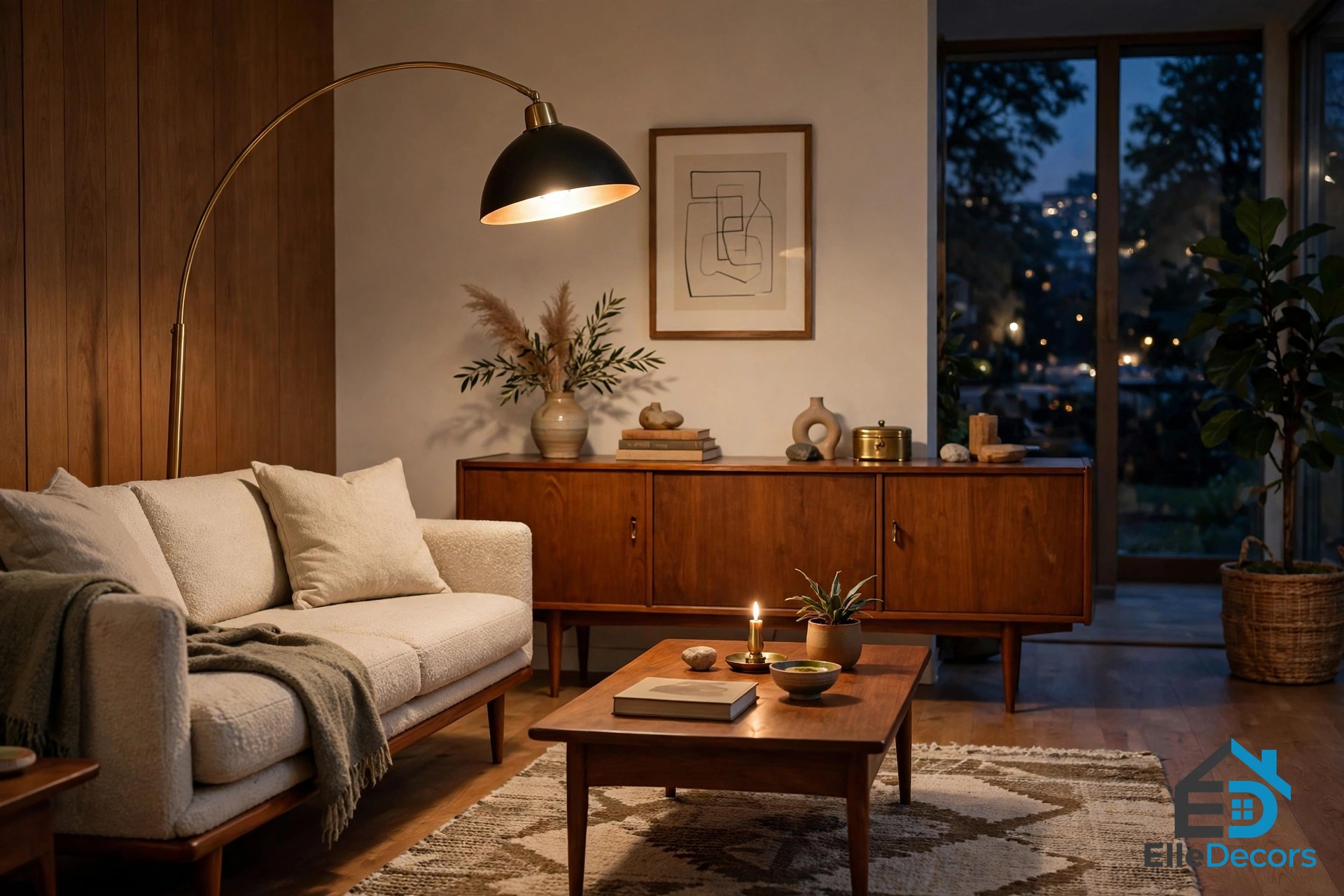
You do not need a full room of classics to get this look. One low credenza in warm walnut, one good chair with a sculptural shape, a sofa that sits low on slim legs — each piece of mid century modern living room furniture pulls the rest of the room toward the same calm, low, light-filled mood. Keep one wood tone in charge, keep the floor visible under the furniture, and let a single icon be the star. That is the best of the style: furniture designed for real life more than seventy years ago that still earns its place today.