Unique Wine Glasses: 8 Picks That Turn a Pour Into a Talking Point
A plain glass holds wine. The best unique wine glasses do more: they start conversations, catch the light, and make an ordinary dinner feel like an occasion. A bowl you can feel with your fingers, a stem in deep violet, or a glass painted like a stained-glass window — each one changes the table before anyone takes a sip.
In this guide, we picked eight glasses you can buy right now. Each one was checked on the store page that sells it, and the list covers the main ways a glass can be unusual: shape, paint, cut crystal, colour, and texture. Some are serious tasting tools. Others are pure fun. After the picks come tips on shape, stems, and care, plus answers to common questions.
How to Choose Unique Wine Glasses That Suit Your Table
Bowl Shape First
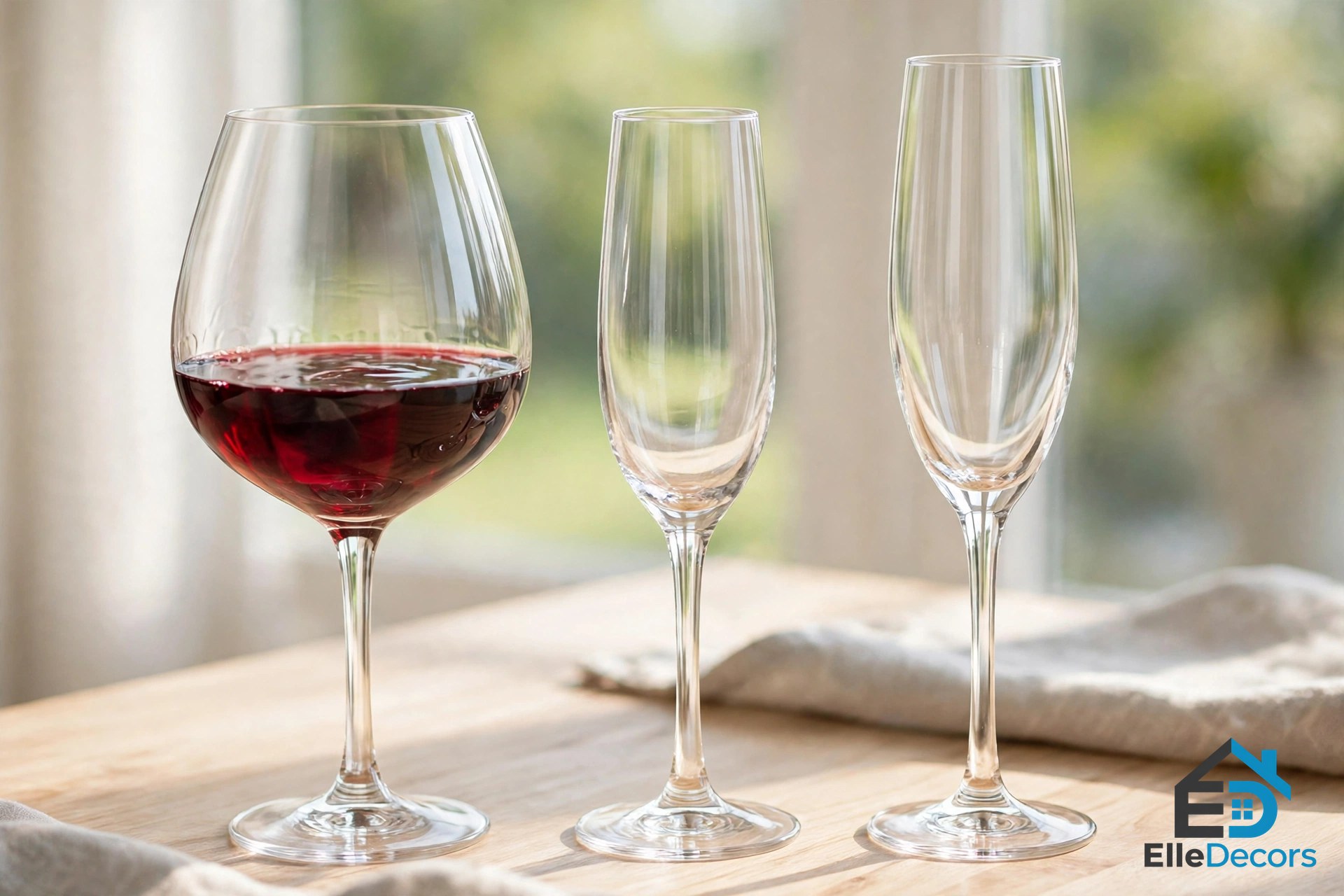
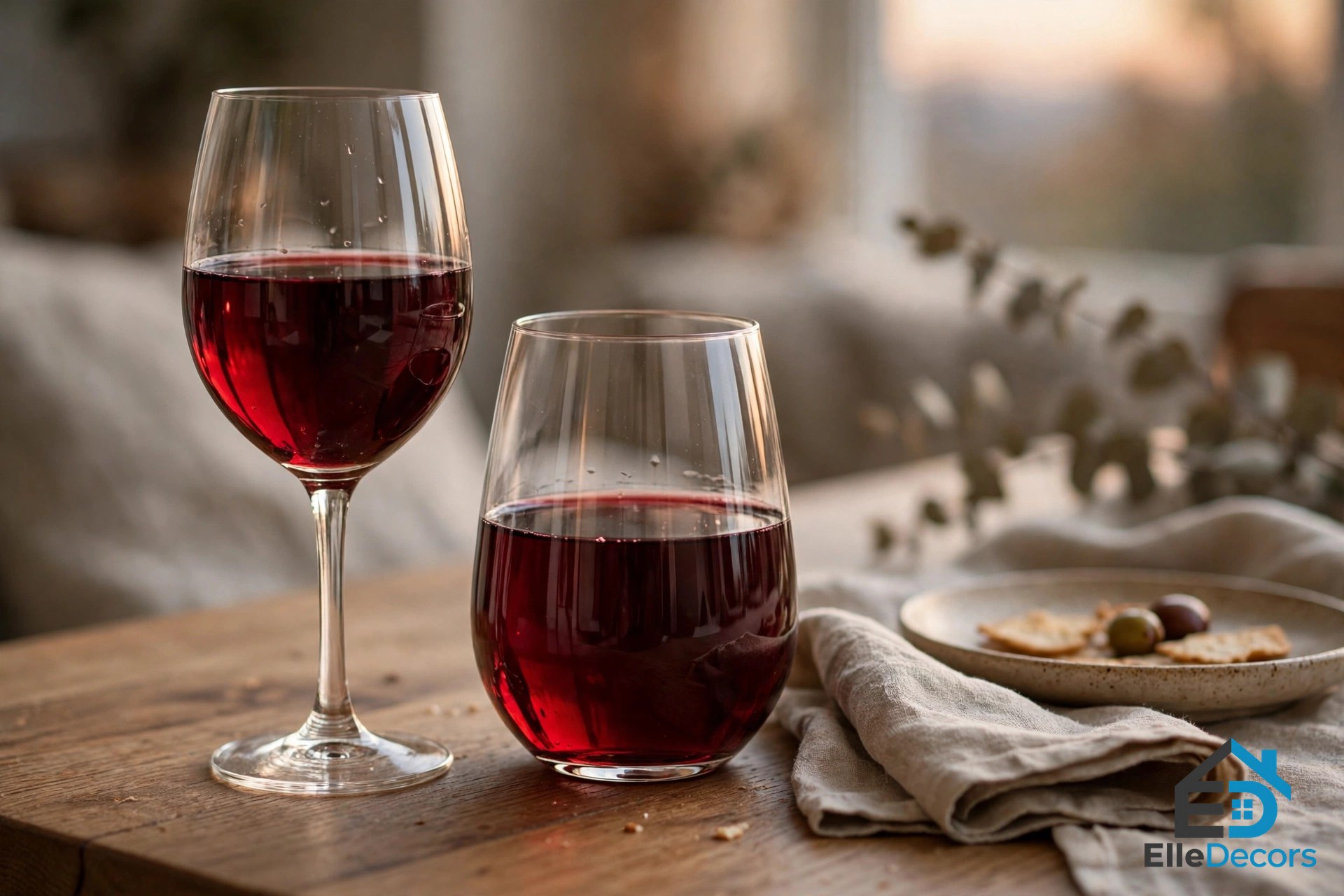
Start with the bowl, not the decoration. A wide bowl gives red wine room to breathe and lets aromas gather above the surface. A narrow bowl keeps white wine cool and focuses its scent. A tall flute keeps the bubbles rising in sparkling wine. That is why the best unique wine glasses earn their place on shape first and decoration second: the shape decides how the wine smells and tastes, and the decoration decides how the table looks.
If you want one glass for everything, pick a universal shape. It is a middle-sized bowl that works for red, white, and sparkling wine, and it is the easiest way to start a collection without buying six different shapes. If you mostly drink one kind of wine, buy the shape made for it and enjoy the difference. A good swirl helps too: a gentle circle of the glass lets air into the wine, which softens harsh tannins and wakes up the aromas before the first sip.
Stem or Stemless
A stem keeps your hand off the bowl, so the wine stays at the right temperature and your fingers never warm it. It also gives the glass its classic silhouette and makes swirling easy. The trade-off is height: stemmed glasses tip more easily and need taller shelves.
Stemless glasses are harder to knock over, stack and store easily, and feel casual in the hand. They suit outdoor dinners, crowded tables, and anyone who has ever broken a stem while washing up. The trade-off is warmth: your hand sits against the bowl, so chilled wine warms faster. Pick stemmed glasses for slow, formal evenings and stemless ones for relaxed nights and small spaces.
Texture You Can Feel
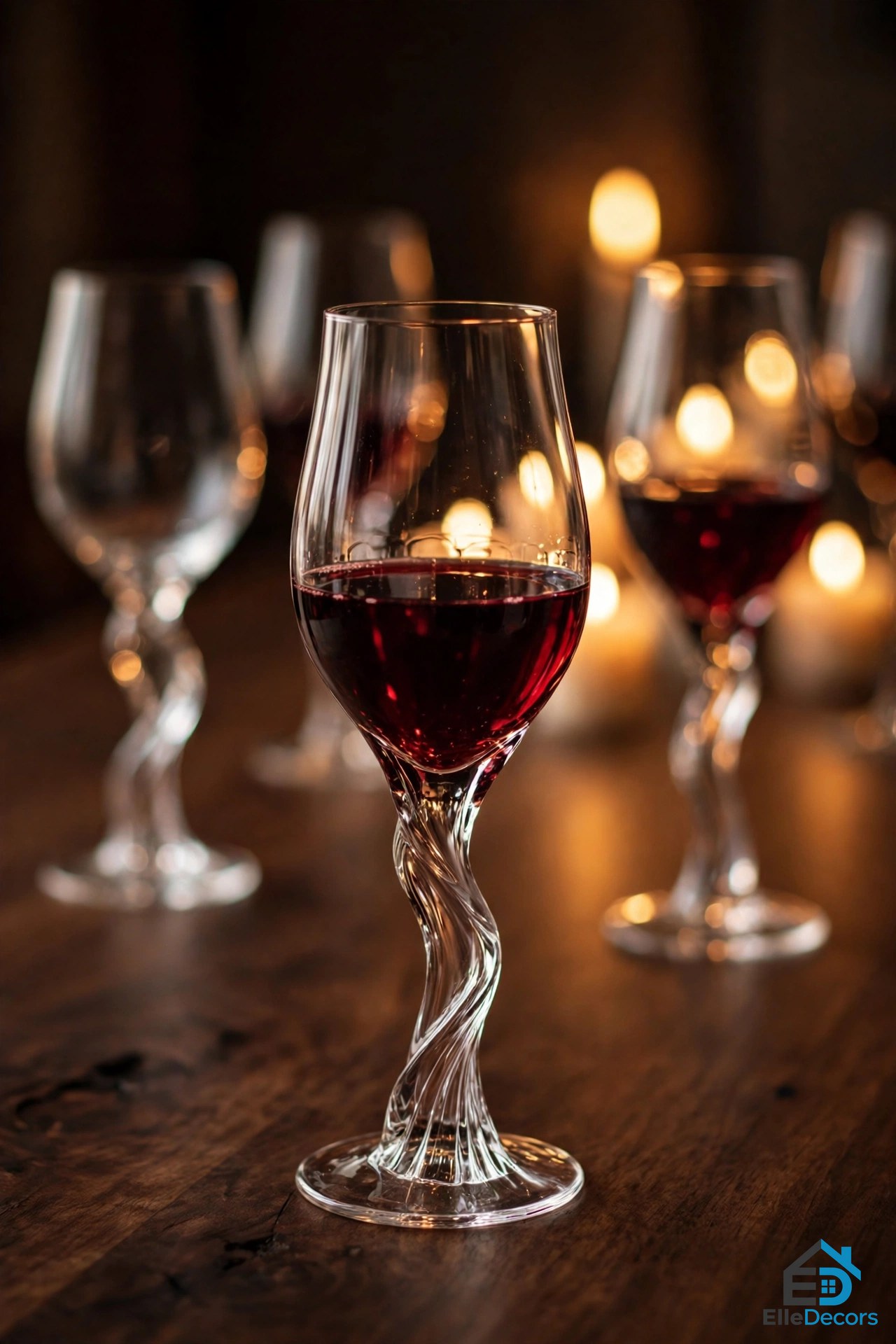
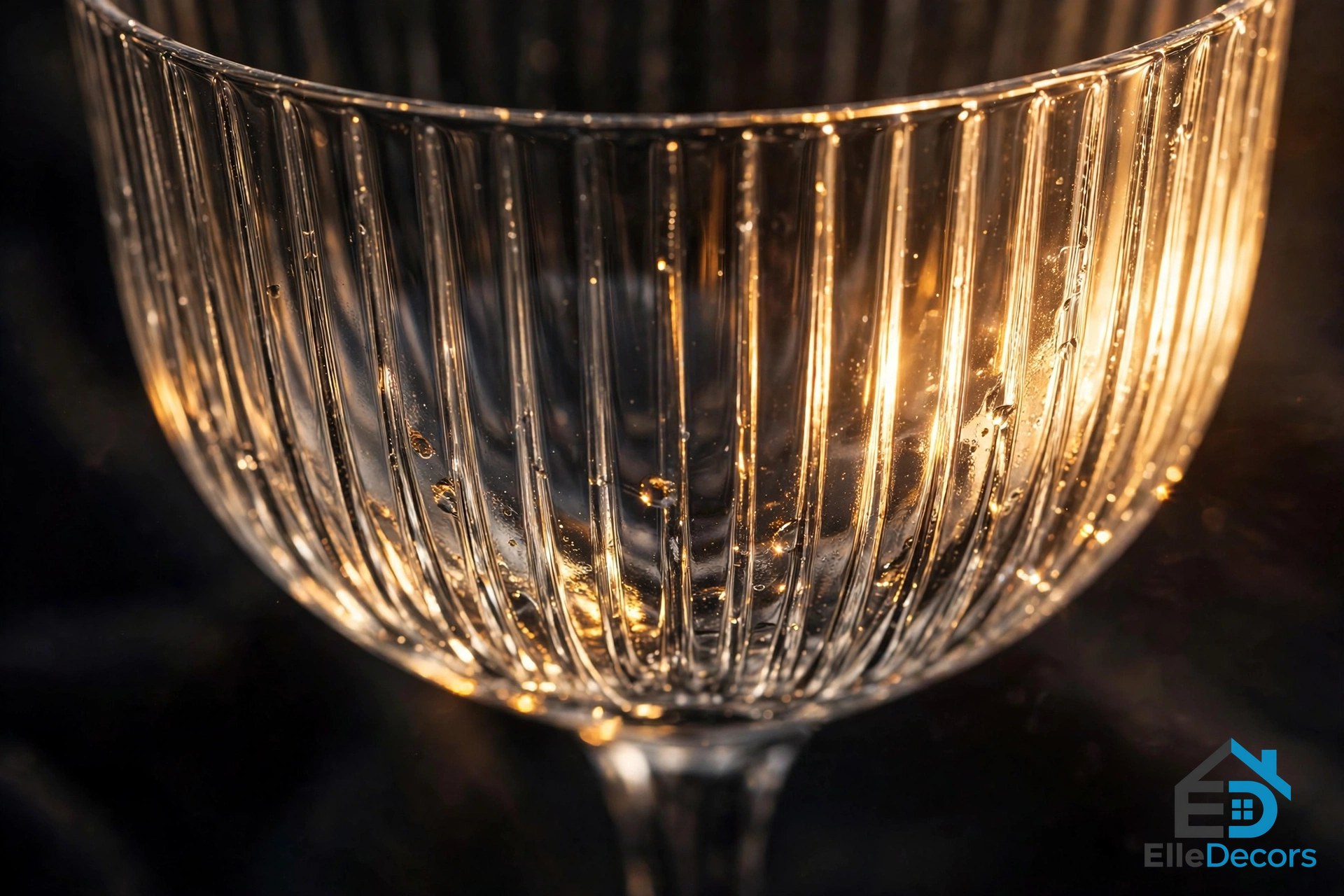
Some of the most interesting glasses in this guide are the ones you notice with your fingers. Fluted grooves, hammered bowls, wavy stems, and etched patterns all count as glasses with texture on front, and the texture does real work. It gives you a better grip on a smooth bowl, it catches candlelight and throws it across the table, and it tells your glass apart from everyone else’s at a crowded dinner.
Texture also changes the mood. A fluted Art Deco glass feels formal and crisp. A wavy, hand-finished stem feels playful and modern. A hammered metal goblet feels old and ceremonial. That is why so many unique wine glasses lean on texture: it is the fastest way to make a familiar shape feel new. Run your fingers over the glass before you buy it, if you can. If the texture is sharp or rough near the rim, it will annoy you every time you drink.
Material and Care
Most wine glasses are made of glass or crystal. Crystal is thinner, clearer, and rings softly when tapped, which is why tasting glasses are almost always crystal. Ordinary glass is thicker, heavier, and tougher, which is why everyday glasses are usually glass. Lead-free crystal is now standard from the good makers, so you do not need to worry about lead in a modern glass.
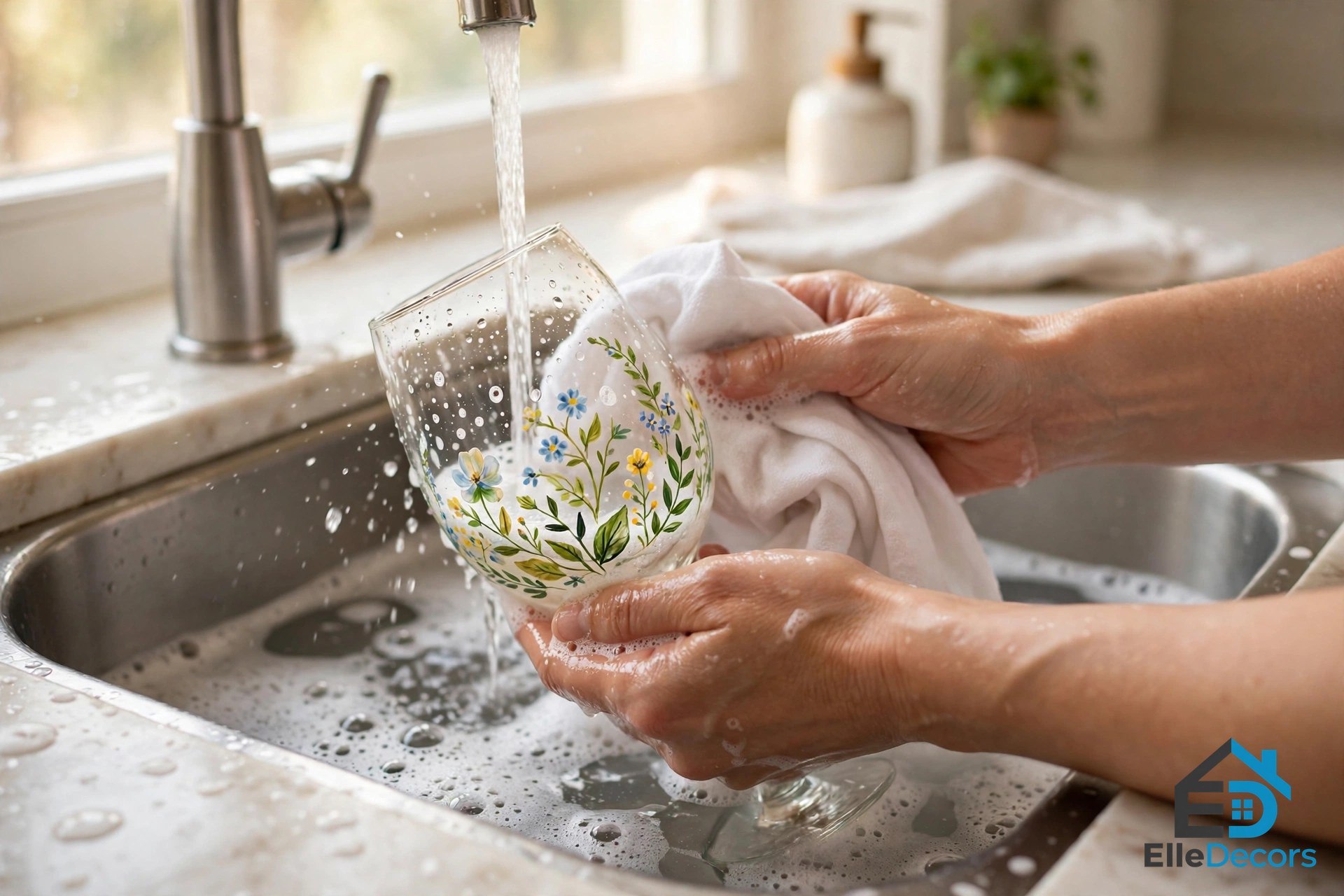
Care matters as much as material. Dishwasher-safe glasses can go in the machine, but keep them away from other items so they do not chip. Hand-painted and hand-blown glasses almost always need hand washing, and hot water can fade paint over time. Dry glasses upside down on a soft towel, and hold them by the bowl rather than the stem when you polish them. For storage, keep everyday glasses upright on a shelf with space between them, and hang stemmed glasses from a rack if you have one, so the rims never touch.
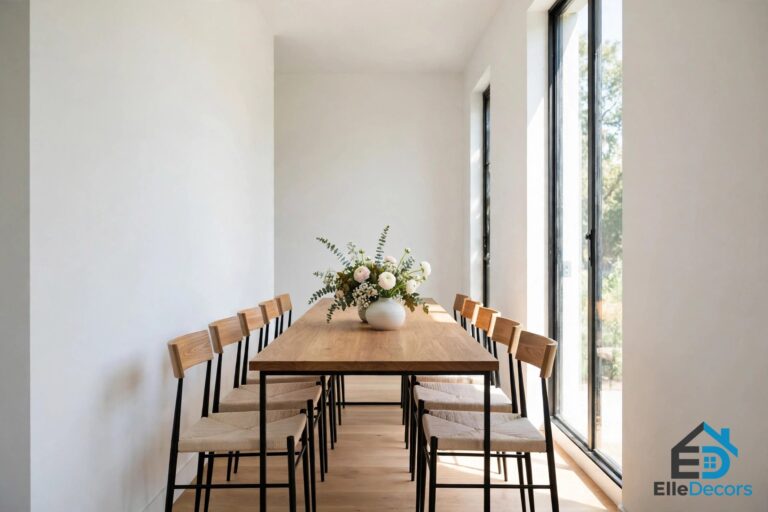
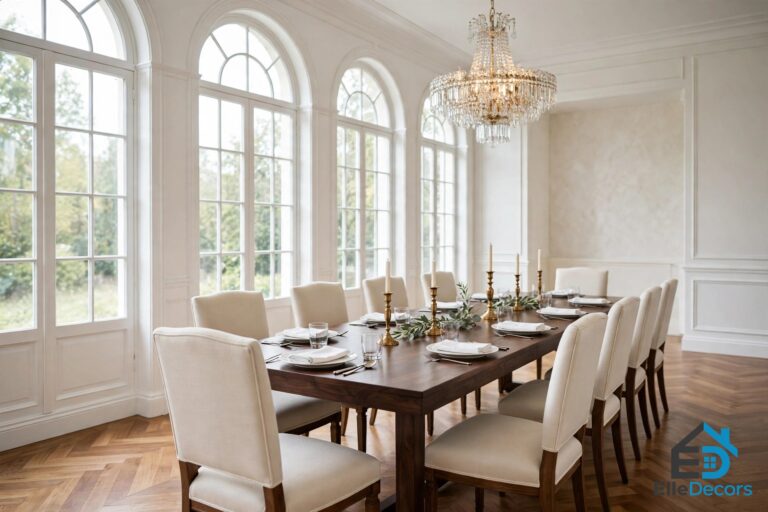
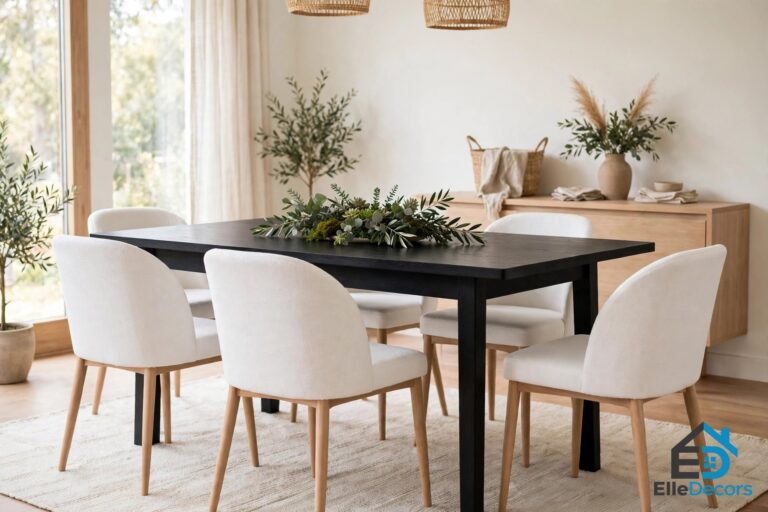
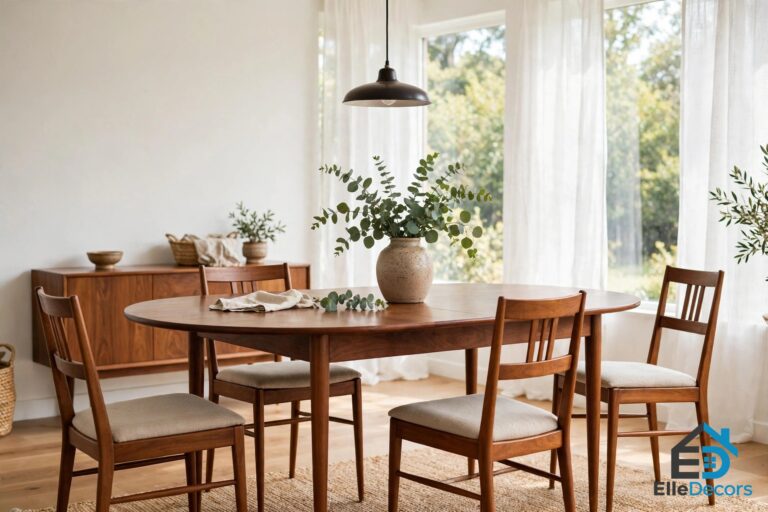
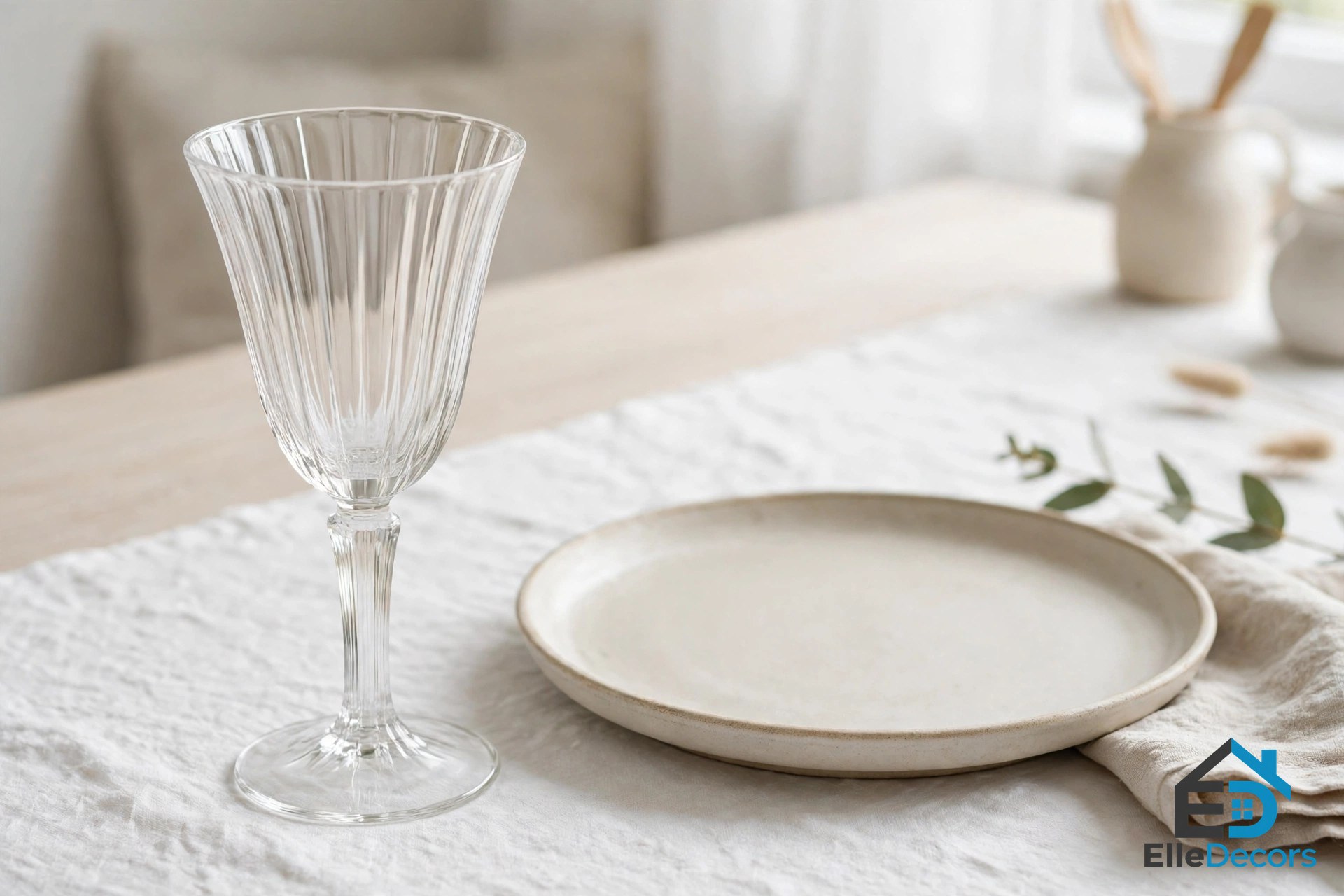
A special glass deserves a proper setting. Put it on a pedestal dining table with a linen runner and a small vase, and even a Tuesday dinner feels planned. The glass does the talking; the table just needs to stay out of its way.
The 8 Picks, Grouped by What Makes Them Unique
The eight unique wine glasses below were checked on their seller pages, so sizes and materials are what the makers state. Some are serious tools and some are cool wine glasses that exist mostly to make people smile. We left prices out on purpose, since they change often.
Tasting First: Shapes That Serve the Wine
Zalto Denk’Art Universal
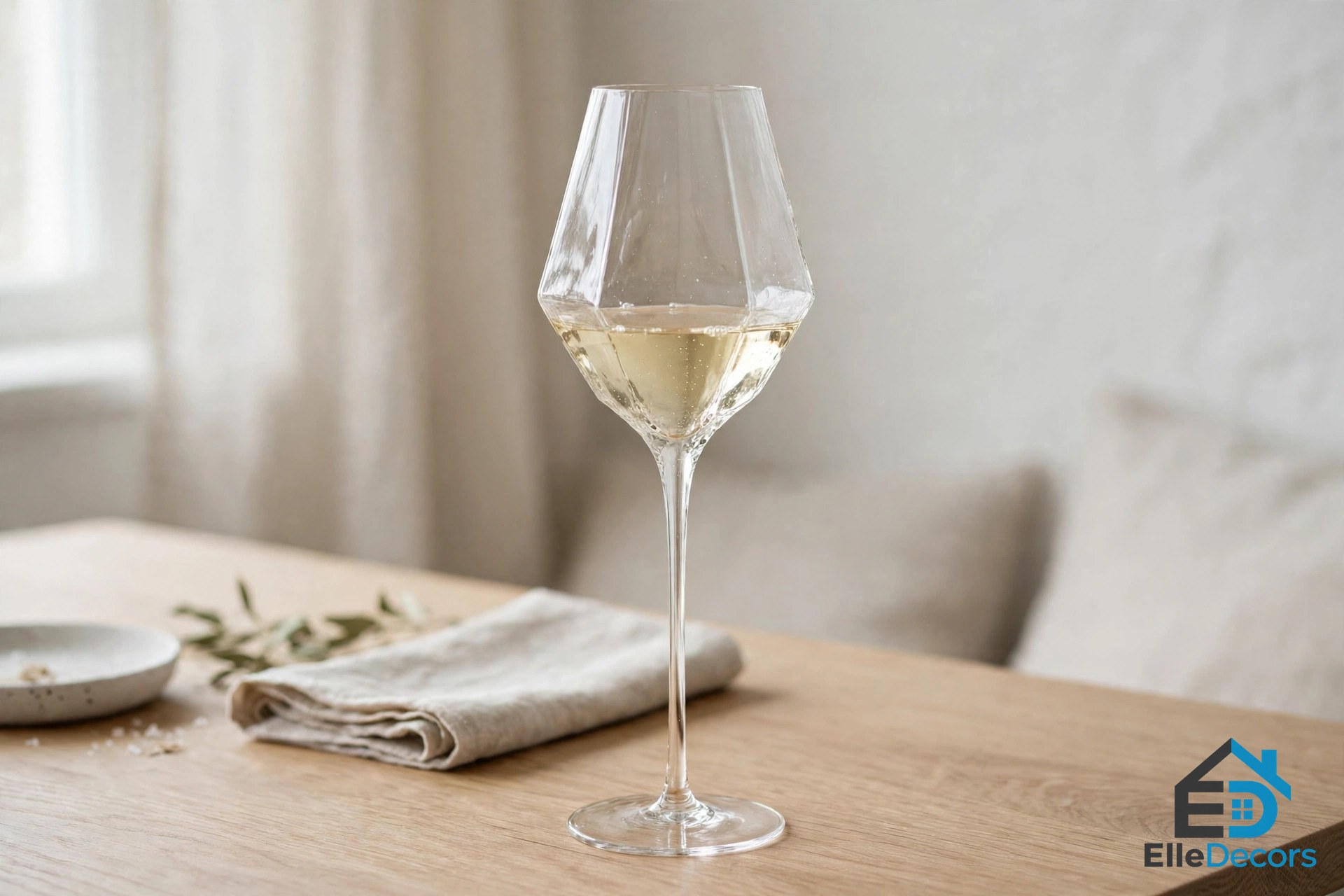
The Zalto is the most serious glass in this guide and the lightest to hold. It is mouth-blown from lead-free crystal, stands 9.3 inches tall, and holds 530 ml. At about 126 grams it feels almost weightless in the hand, and the thin lip puts almost nothing between you and the wine. The bowl angles follow the tilt of the earth’s axis, which is the design idea behind the whole Denk’Art range, and the shape works for both red and white wines.
One honest note: a glass this thin and light needs gentle handling, and it is happiest when it is not crowded in the dishwasher rack. Pick it if you want one glass that makes every wine taste a little more open, and if you enjoy the ritual of tasting as much as the wine itself. Of all the unique wine glasses in this guide, this is the one a sommelier would reach for first.
View the Zalto Denk’Art Universal at Amazon
Riedel Ouverture Red Wine
The Ouverture is Riedel’s entry-level red wine glass, and it is the everyday pick of this list. The egg-shaped bowl is made of crystal glass, machine-made for consistent quality, and the short stems give it stability on a busy table. It is dishwasher safe and sold as a two-pack in a Riedel gift box, so it is easy to start a set or give one away.
The collection was launched in 1989 as a beginner-friendly range, and it is deliberately not tied to one grape variety: one glass for red, one for white, and the same care for both. The glass stands about 19.7 cm tall. Pick it if you want a proper crystal glass for red wine without learning a whole system of shapes first.
View the Riedel Ouverture Red Wine at House
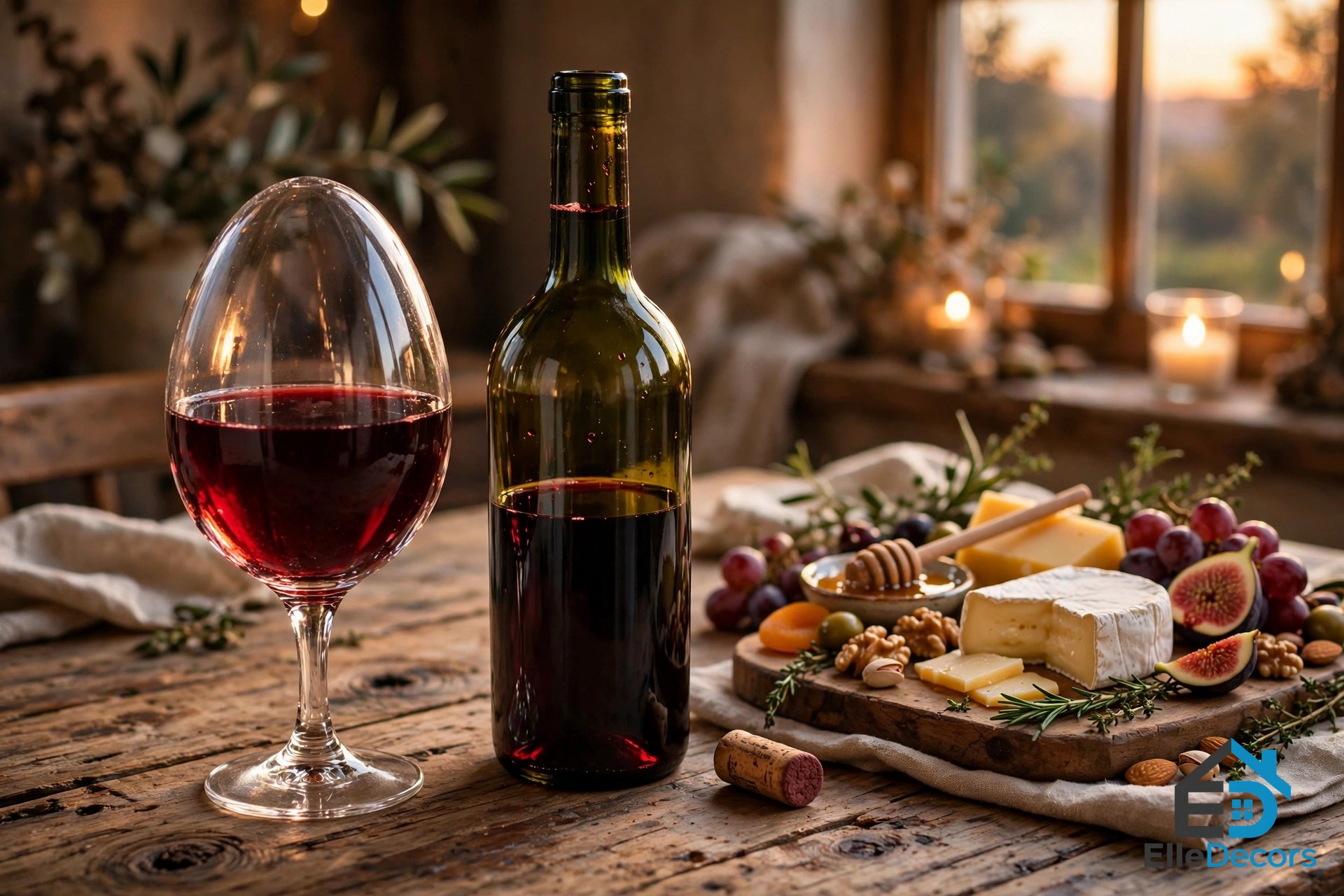
Hand-Painted Art: Glasses That Are Paintings
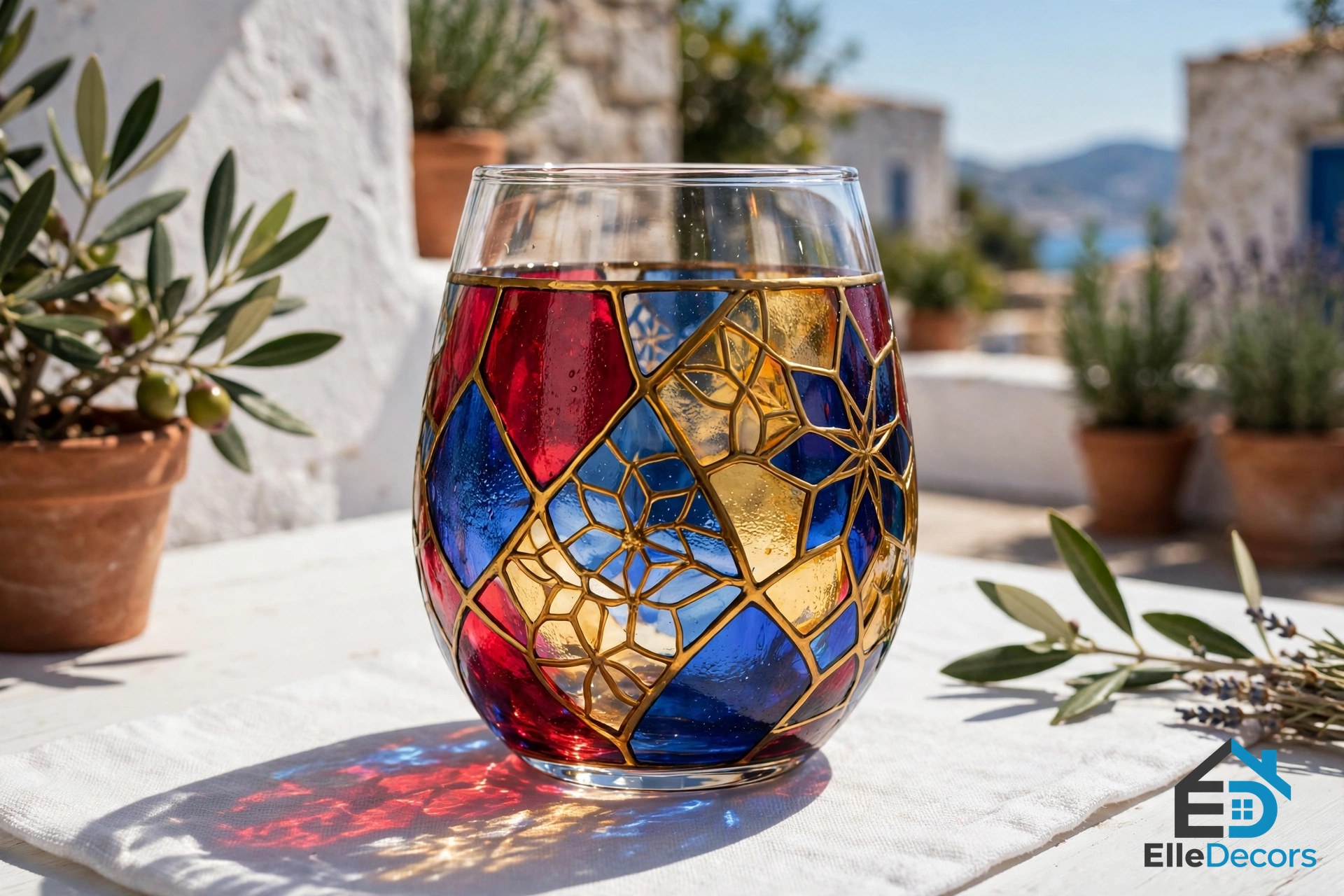
Cornet Barcelona ‘Sagrada’ Stemless
This is the most colourful glass in the guide. Each ‘Sagrada’ stemless glass is handcrafted and hand-painted by artisans, with designs inspired by the stained-glass windows of the Sagrada Familia basilica in Barcelona. Every piece is shaped from a single blob of molten glass, so no two are exactly alike, and the thin piping between the colours is a string of glass rather than paint.
The glass holds 20 ounces, though the maker suggests filling it with 4 ounces of wine so the aromas have room to gather. It stands 4.9 inches tall and is 3.8 inches at its widest, with a flat, weighted base that helps prevent tipping. It is made of lead-free glass and must be hand washed: a dishwasher would damage the hand-painted design. Pick it for a gift, or for the nights when the glass itself is part of the decoration.
View the ‘Sagrada’ Stemless Wine Glasses at Cornet Barcelona
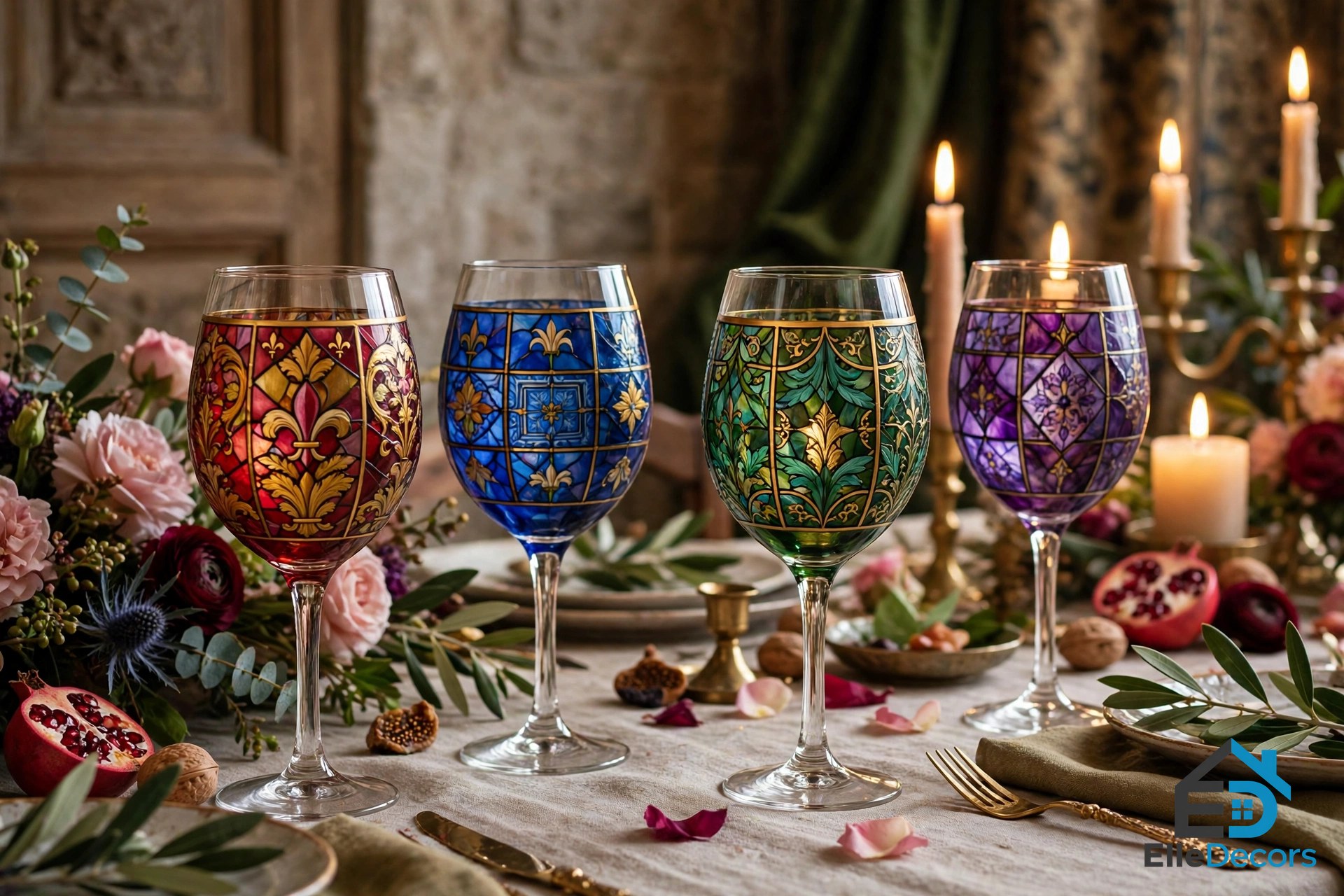
The Wine Savant Hand-Painted Renaissance Set
The Wine Savant’s hand-painted set is the romantic pick of this guide. The glasses carry a vibrant, hand-painted design inspired by Renaissance stained glass, and each piece is uniquely crafted by artisans, so the set reads as a small art collection rather than matching glassware. It is the glass to reach for when the table needs colour and the occasion needs a story.
One honest note about this pick: we could not open the maker’s product page to confirm every detail before writing this guide, so this set has no store link. Search the name on the maker’s site and check the listing for the latest specs before you buy.
Cut Crystal: Light, Pattern, and History
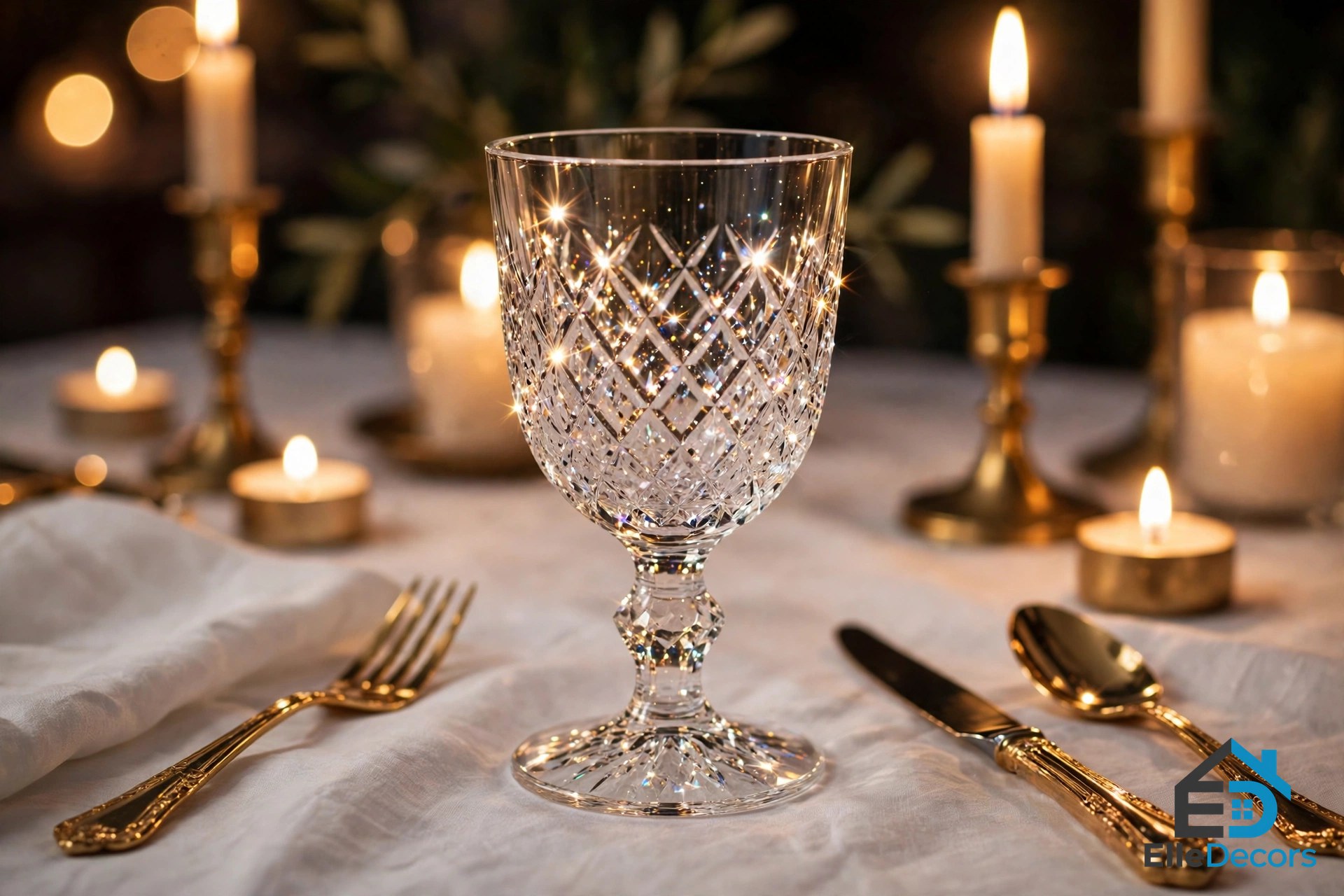
Waterford Lismore Essence White Wine
The Lismore pattern is the classic of this list. Waterford designer Miroslav Havel created it in 1952, drawing inspiration from Lismore Castle in Ireland, and its signature diamond and wedge cuts have made it the world’s best-selling stemware pattern. The cuts catch the light from every angle, which is why the glass looks alive in candlelight.
This is the 14-ounce white wine glass from the Lismore Essence range, sold as a set. The smaller bowl suits white wine, keeping it cool and focused, while the cut pattern does the decorating. Set it beside unique candle holders and the whole table glows. Pick it if you want a glass with real history that still looks right on a modern table.
View the Waterford Lismore Essence White Wine Glass Set at Belk
Georg Jensen Bernadotte White Wine
The Bernadotte glass is the Art Deco pick. The design comes from 1938, when Swedish Prince Sigvard Bernadotte created the original silver pieces for Georg Jensen, and the signature fluted grooves were later adapted from the silver onto crystal glass. The white wine glass holds 43 cl and is sold as a set of six in lead-free crystal.
The grooves run around the bowl in soft waves, catching the light without shouting about it. It is a quiet kind of unique: from across the room it looks like a plain, elegant glass, and up close the fluting gives it away. One honest note about this pick: we could not open a direct product page for this glass, so it has no store link. Search the Bernadotte collection on Georg Jensen’s site and check the listing for the latest specs before you buy.
Colour and Texture: Glasses You Notice
Riedel Fatto a Mano Syrah Opal Violet
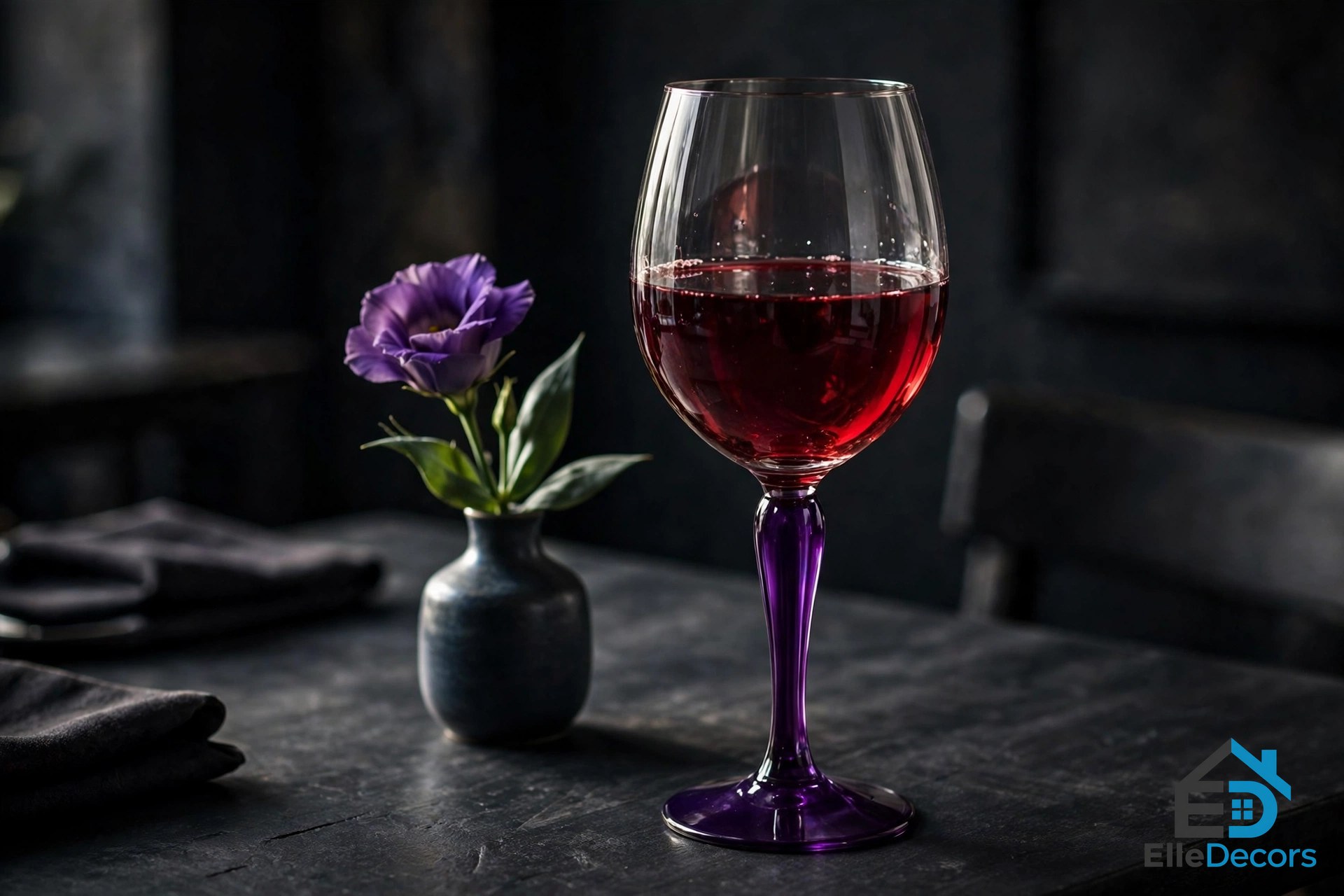
Fatto a Mano means “made by hand,” and this glass shows why the name matters. The bowl is machine-blown and shaped for Syrah and other intense, bold red wines, while the stem and base are hand-finished in a luminous opal violet, following Venetian glassblowing tradition. Each glass is produced in Kufstein, Austria, from crystal glass.
The coloured stem is the whole point: it turns a tasting glass into a piece of decoration, and the violet catches the light differently as the evening goes on. Pick it if you want a glass that performs like a serious tasting tool but looks like it belongs in a gallery.
View the Riedel Fatto a Mano Syrah Opal Violet at Riedel
Riedel Swirl Red Wine
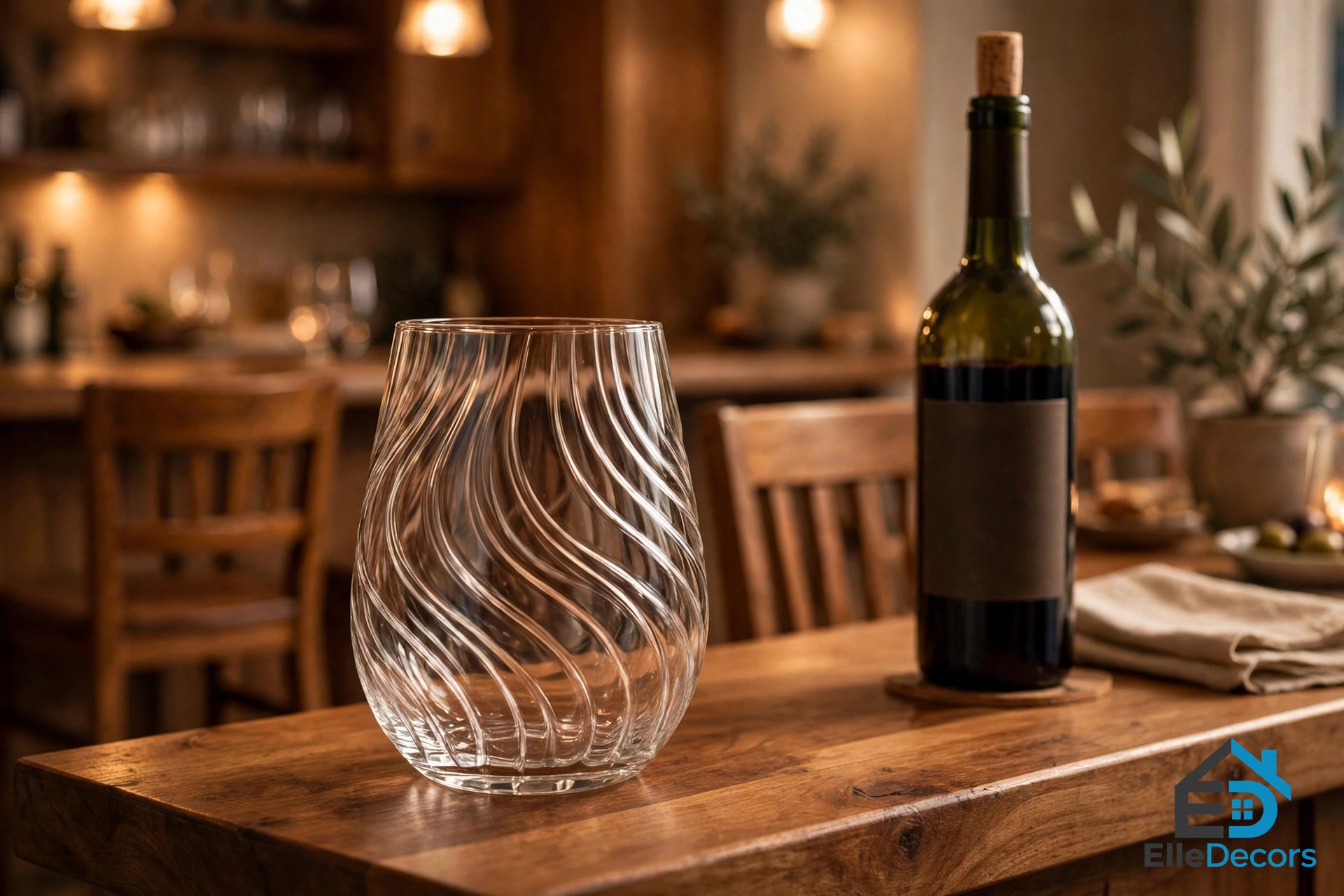
The Swirl is the playful glass of this list. Its wavy design is inspired by natural movement, and the soft curves let the glass rest comfortably in your hand, encouraging gentle motion that helps the wine open up. It is a stemless glass, made from crystal glass by machine, and it is dishwasher safe and sold as a two-pack in a Riedel gift box.
Of all the unique shaped wine glasses in this guide, this one is the easiest to live with: it will not tip, it fits in a crowded dishwasher, and it still looks like a design object on the table. Keep a pair by the home bar — a wooden bar with stools is the natural home for a glass this casual — and reach for them when friends drop by unannounced.
View the Riedel Swirl Red Wine at Riedel
All 8 Picks at a Glance
| Glass | What Makes It Unique | Capacity | Care |
|---|---|---|---|
| Zalto Denk’Art Universal | Angular hand-blown bowl | 530 ml | Dishwasher safe |
| Riedel Ouverture Red Wine | Egg-shaped everyday bowl | Not stated | Dishwasher safe |
| Cornet Barcelona ‘Sagrada’ Stemless | Hand-painted stained glass | 20 oz | Hand wash only |
| Waterford Lismore Essence White Wine | Diamond and wedge cuts | 14 oz | Not stated |
| Riedel Fatto a Mano Syrah Opal Violet | Opal violet hand-finished stem | Not stated | Not stated |
| Riedel Swirl Red Wine | Wavy stemless bowl | Not stated | Dishwasher safe |
| Georg Jensen Bernadotte White Wine | Art Deco fluted grooves | 43 cl | Not stated |
| The Wine Savant Renaissance Set | Hand-painted stained glass | Not stated | Not stated |
Watch: How Each Glass Shape Serves the Wine
Before you choose, watch a sommelier explain the shapes. In this Bon Appétit video, André Hueston Mack walks through Burgundy, Bordeaux, Chardonnay, Port, Champagne flute, coupe, stemless, and universal glasses, and shows how each shape changes what you smell and taste. It is the fastest way to understand why the bowl matters more than the decoration. Watch it once before you shop, and you will know exactly which of the eight picks below fits the way you drink.
Frequently Asked Questions
Are unique wine glasses worth buying?
Yes, if you enjoy the ritual of drinking wine. Good unique wine glasses make an evening feel special, and the best ones also improve how the wine smells and tastes. A novelty glass that you never reach for is a waste of shelf space, so pick a shape you will actually use every week.
What is the best shape for red wine?
A wide bowl with a slightly narrowed rim. The wide bowl gives the wine surface area to breathe, and the narrow rim gathers the aromas toward your nose. A universal glass is a good middle ground if you drink both red and white.
Are stemless wine glasses better?
They are better for casual use and small spaces, because they are harder to knock over and easier to store. They are worse for keeping wine cool, because your hand warms the bowl. Neither is better in general; the right choice depends on how and where you drink.
How do I care for hand-painted wine glasses?
Wash them by hand in lukewarm water with a soft cloth, and dry them upside down on a towel. Never put them in the dishwasher: heat and harsh detergent fade hand-painted designs over time. Store them upright, not stacked, so the paint never rubs against another glass.
Can these glasses go in the dishwasher?
Some can and some cannot. Machine-made crystal glasses from makers like Riedel and Zalto are dishwasher safe, but hand-painted and hand-blown glasses are not. Check the maker’s care note for each glass, and when in doubt, wash by hand.
The Bottom Line
The best unique wine glasses disappear into the evening. Start with the bowl shape, then check the stem, then pick a texture or colour that fits your table. Serious tasting glasses suit slow evenings, hand-painted glasses suit celebrations, and cut crystal suits a formal table. Choose the glass that fits the way you actually drink, not the one that photographs best, and your next pour will taste better for it. Keep the set small, use the glasses often, and let the unusual ones earn their shelf space one dinner at a time.