Unique Teapots: 12 Stunning Designs That Make Every Cup Special
AUDIO SUMMARY: A teapot is the one kitchen object that is both a tool and a piece of art. This guide walks through twelve unique teapot styles, from cast iron tetsubin and Yixing clay to glass blooming pots and whimsical animal designs, with the materials, sizes and trade-offs that help you pick the pot you will actually reach for every morning.
Unique teapots turn an ordinary cup of tea into a small ritual. The source roundup that inspired this guide traces tea back to China, where it was used as a medicinal drink as early as 2737 BC, before Buddhist priests carried it to Japan and tea time became a British tradition by the 1840s.
Across those centuries the pot itself kept changing shape, and today there are more styles to choose from than ever: cast iron that holds its heat, glass that shows the leaves unfurling, clay that seasons with every brew, and novelty pots shaped like llamas and whales. Choosing the right one is about function and personal style in equal measure, so this guide walks through twelve styles with named examples, honest trade-offs and no prices, so you can find the pot that fits your tea, your kitchen and your shelf.
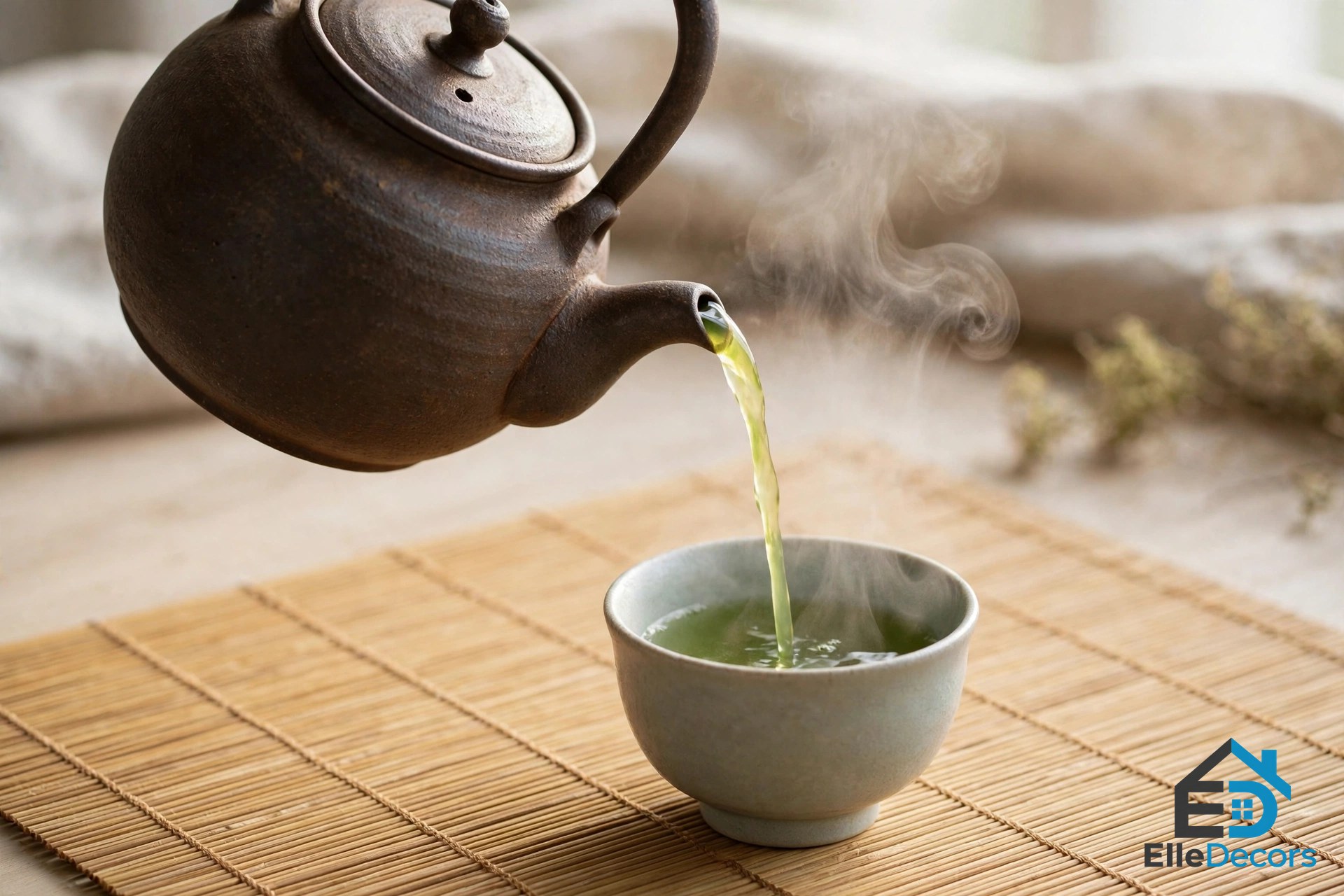
1. Start With a Cast Iron Tetsubin
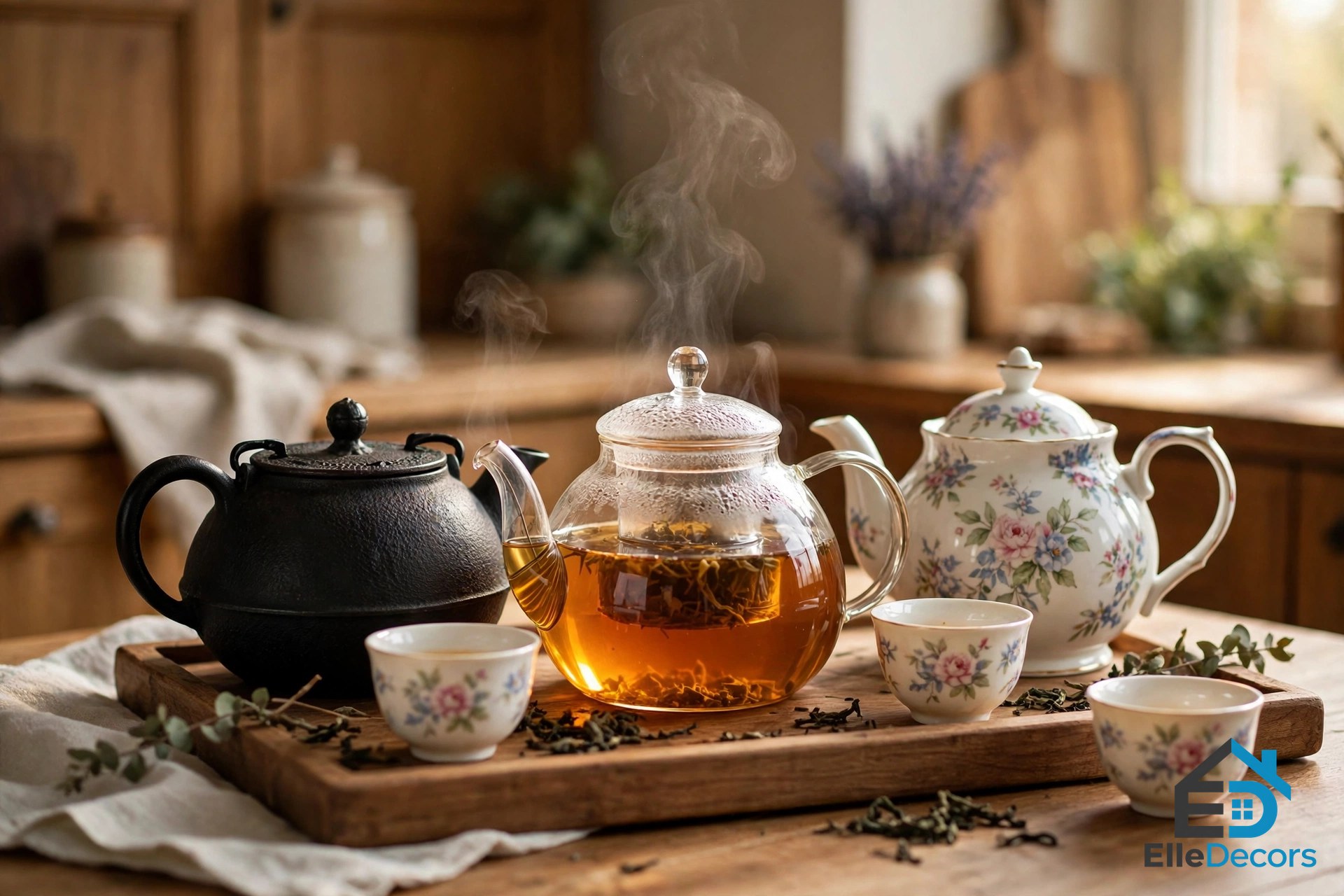
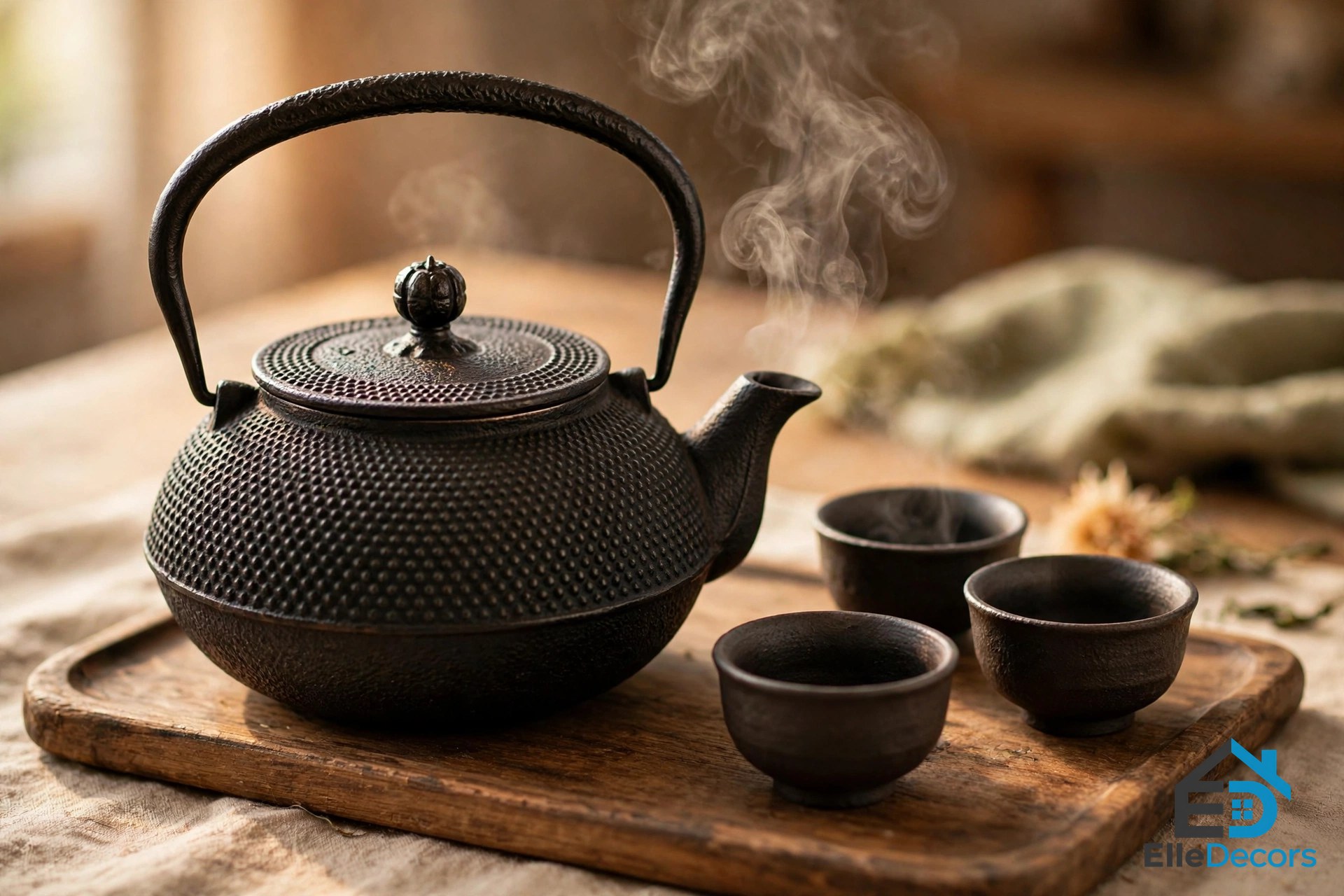
A cast iron tetsubin is the oldest shape in this guide and still one of the most satisfying to use. The classic example is the Iwachu Nambu ironware teapot in the arare hailstone pattern, a 0.65 litre pot cast in Japan with an enamelled interior and a tea strainer included, from a foundry making iron teapots since 1902.
Cast iron holds heat longer than any other material here, so the second cup is nearly as hot as the first, and the weight of the pot in the hand feels serious and deliberate. The trade-off is care: the enamelled inside must be kept dry between uses, and the pot is heavier than a ceramic one, so it suits a tray on the table rather than a high shelf.
2. Let Yixing Clay Season Your Tea
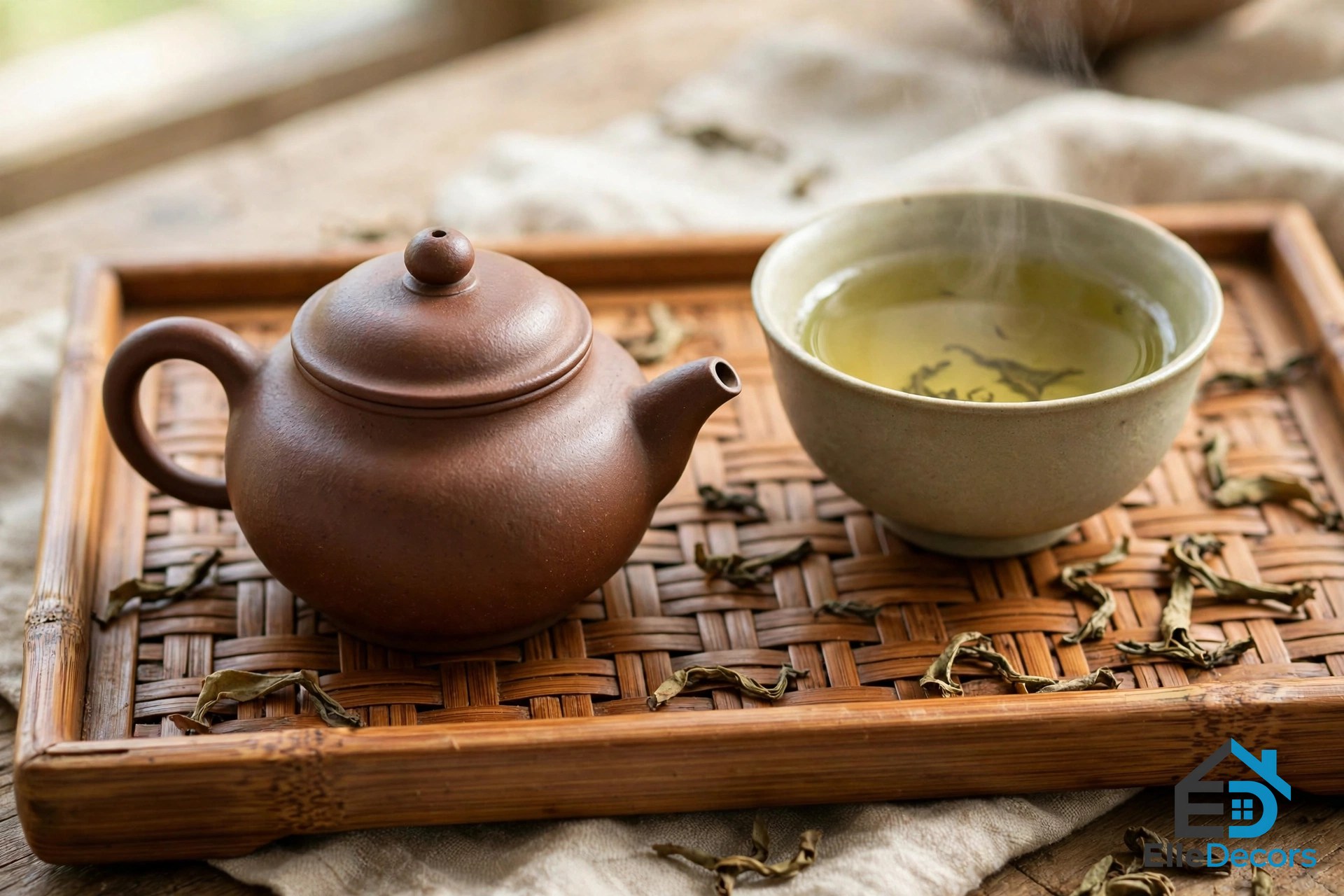
Yixing clay, known as zisha or purple clay, is the only pot in this guide that improves with age. Each time tea is brewed inside it, the porous clay absorbs a little of the flavour, and after many uses the pot itself can flavour hot water without any fresh leaves at all. Collectors take this seriously: the profile of collector Daniel Ho describes hundreds of zisha teapots gathered over 35 years, in five clay colours — red, brown, yellow, green and black — and in designs from plain round forms to geometric and flower-petal patterns.
A zisha pot is best dedicated to one type of tea, since the seasoning carries over, so pick your favourite — a green tea or an oolong — and let that pot belong to it alone. Unique teapots do not get more personal than this: after a year of daily use, the pot is seasoned to your taste in a way no other material can match.
3. Watch the Leaves in a Glass Teapot
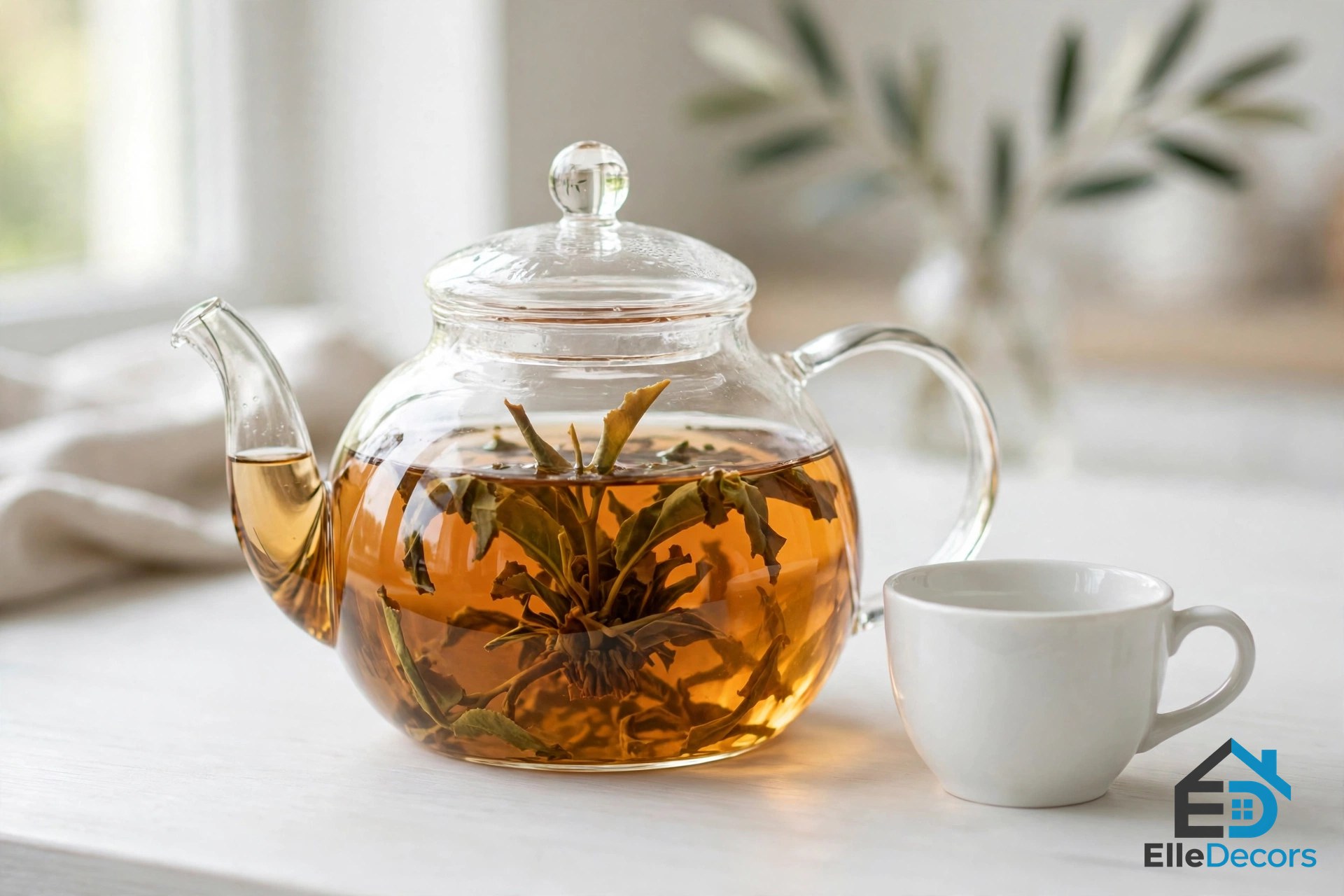
A glass teapot turns brewing into a show. The Hiware glass teapot is handcrafted from heat-resistant borosilicate glass with a non-dripping spout and an ergonomic handle, and it comes with a removable infuser so loose leaves have room to open fully. The Hario ChaCha Kyusu Maru, a 700 ml heatproof glass pot made in Japan, works the same way, with a large strainer that lets the leaves expand while you watch the colour develop and pour when it looks right. Glass suits blooming teas and green teas best, because you can see the exact moment the liquor reaches the shade you want, and it suits a table where guests can watch the brew as well as drink it.
4. Keep a Classic Porcelain Pot for Everyday
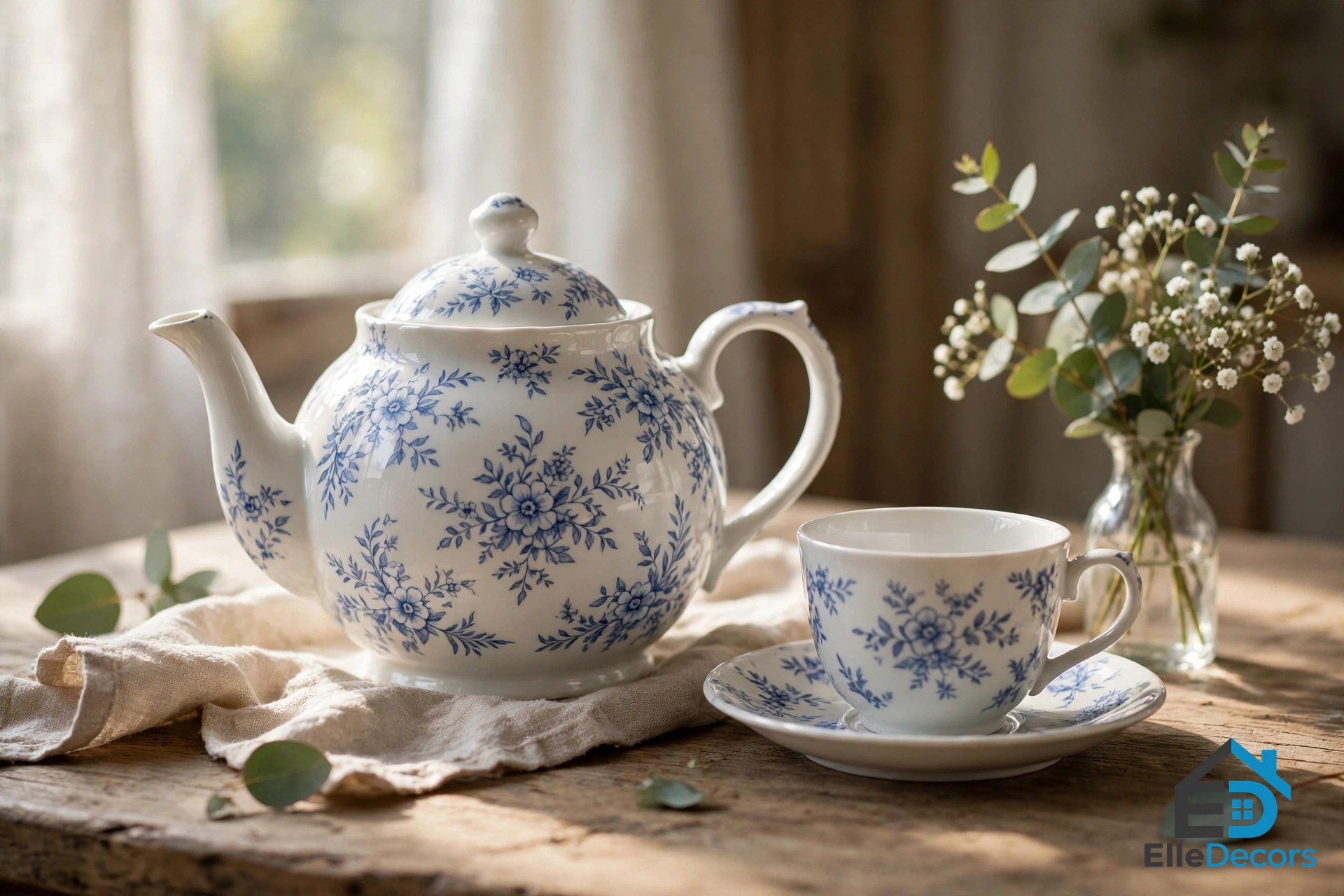
Porcelain is the everyday workhorse of this guide, and it earns that place by doing nothing wrong. It holds heat well, stays neutral so it never flavours the tea, and cleans easily, which is why the classic British teapot has barely changed shape in two centuries. The Sweese 27 oz porcelain teapot with an infuser is a good modern example, sized for two generous mugs, while the London Pottery Farmhouse two-cup teapot in Rockingham brown is the traditional take, with a deep brown glaze and a squat, friendly shape.
Porcelain also takes decoration better than any other material, so floral patterns, hand-painted scenes and coloured glazes all look at home on it. Unique teapots in porcelain are easy to live with: they go in the dishwasher in many households, they pour cleanly, and they look right on a breakfast table, a tea tray or an open shelf.
5. Choose a Novelty Pot That Makes Guests Smile
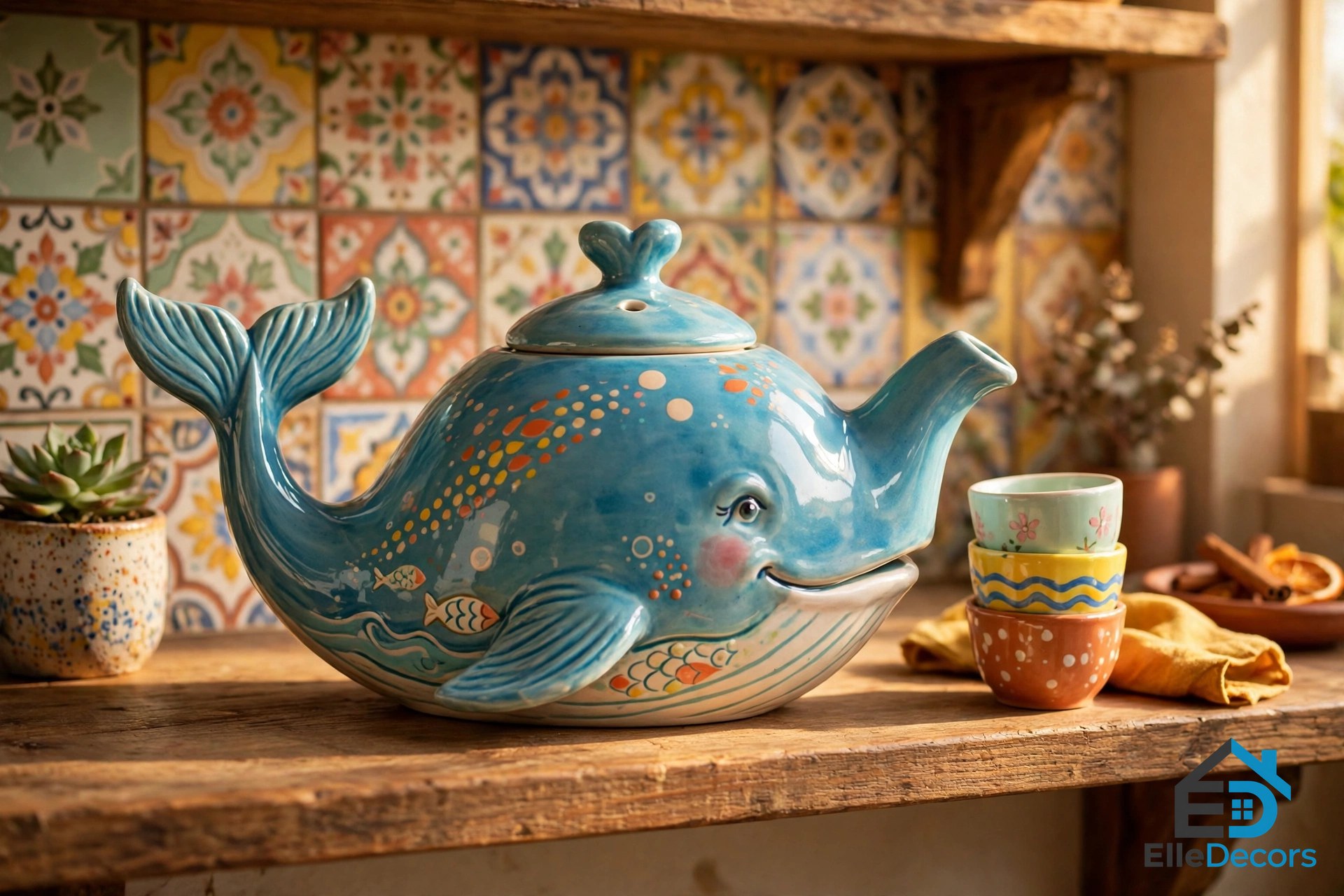
Some teapots are bought to make people laugh, and the best of them still pour a proper cup. The MyModernMet roundup of unusual pots lists a lovable llama teapot, a galactic teapot, an elephant’s trunk teapot, a whimsical whale, a glass sakura teapot, a quirky mushroom, a sugary sweet pot and a tea light teapot, while the Tastylicious list adds a Doctor Who Tardis ceramic teapot and an Animewild Chester the Cat pot.
The rule for novelty pots is to check the pour before you fall for the shape: a spout that dribbles, a lid that rattles or a handle that sits too close to the body will ruin the joke within a week. Unique teapots like these belong where they can be seen — on an open shelf, a sideboard or a tea trolley — because half their value is as decoration.
6. Try a Japanese Kyusu With a Side Handle
The kyusu is Japan’s everyday teapot, and its side handle is the detail that sets it apart. Instead of a handle opposite the spout, the handle sticks out to the side, so you hold the pot with one hand and pour with a gentle tilt of the wrist, which gives fine control over a small, strong brew. The Hario ChaCha Kyusu Maru is the glass version, with its large strainer and 700 ml body, while the ZENS Japanese ceramic teapot set is the porcelain take, made from thicker porcelain with a matte glazed surface and a smooth finish.
The set version comes with two porcelain teacups, two handmade rattan coasters and a mesh infuser, which makes it a complete small ceremony in one box. Unique teapots from Japan suit green tea above all, because the small size and the precise pour match a tea that is brewed in small amounts and drunk fresh. Start with one, learn the wrist motion, and the side handle will feel natural within a week.
7. Go Rustic With Stoneware
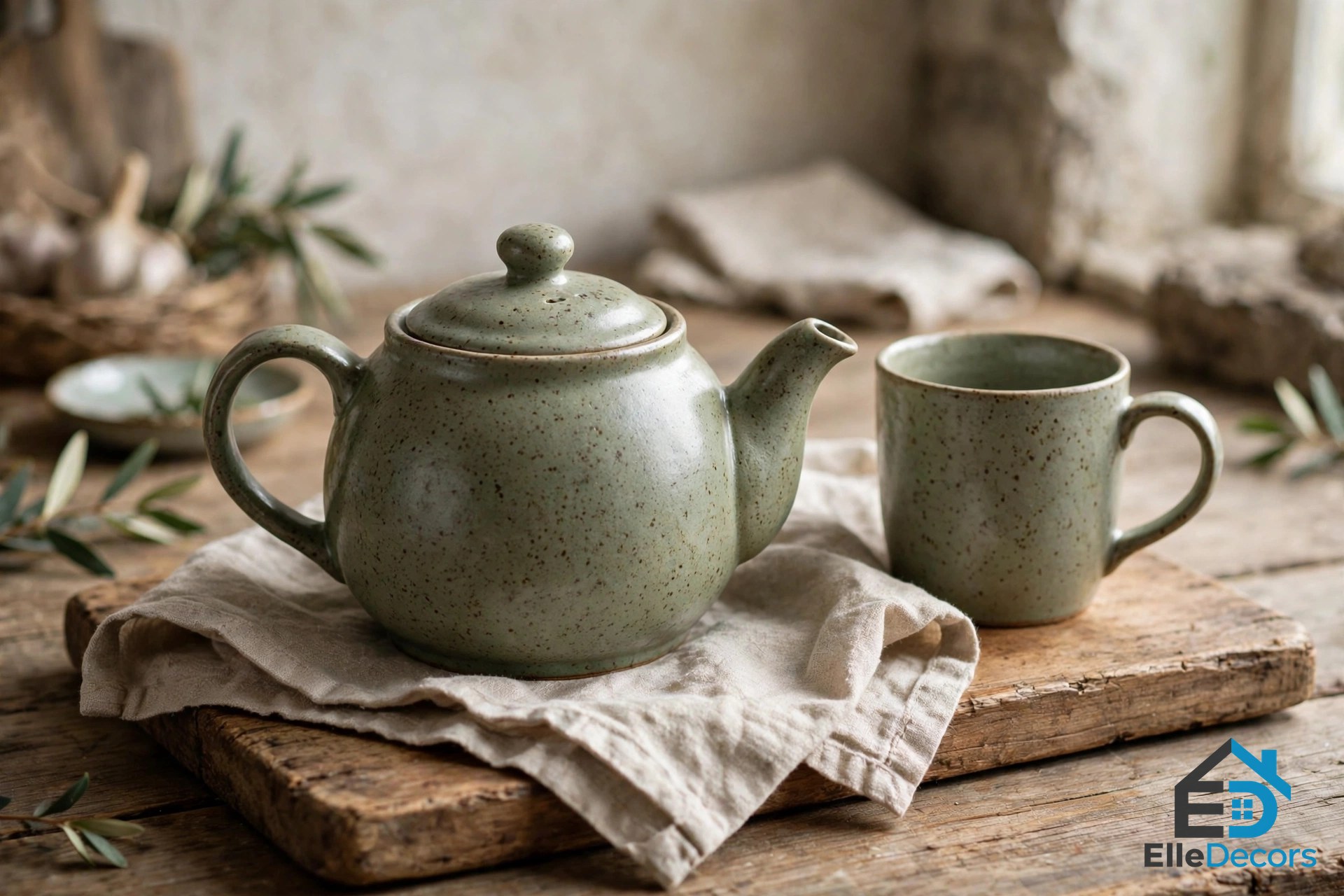
Stoneware sits between porcelain and cast iron: heavier and earthier than porcelain, softer and more forgiving than iron, with a handmade feel that suits a rustic kitchen. The RSVP six-cup stoneware teapot comes in a range of colours — blue, green, light blue, orange, pink, red and white — while the Tealyra Drago ceramic teapot holds 37 oz and comes in black, blue, green, lime, orange, turquoise, white and yellow.
Stoneware keeps tea warm longer than thin porcelain, and its thick walls are less likely to chip on a busy worktop, though the pots are heavier to lift when full. The look is honest and unpretentious: speckled glazes, visible throwing rings, a shape that looks made rather than manufactured. Put a stoneware pot on a wooden board with a linen cloth, and it will anchor a slow breakfast better than any shiny gadget.
8. Add a Teapot With a Warmer for Slow Afternoons
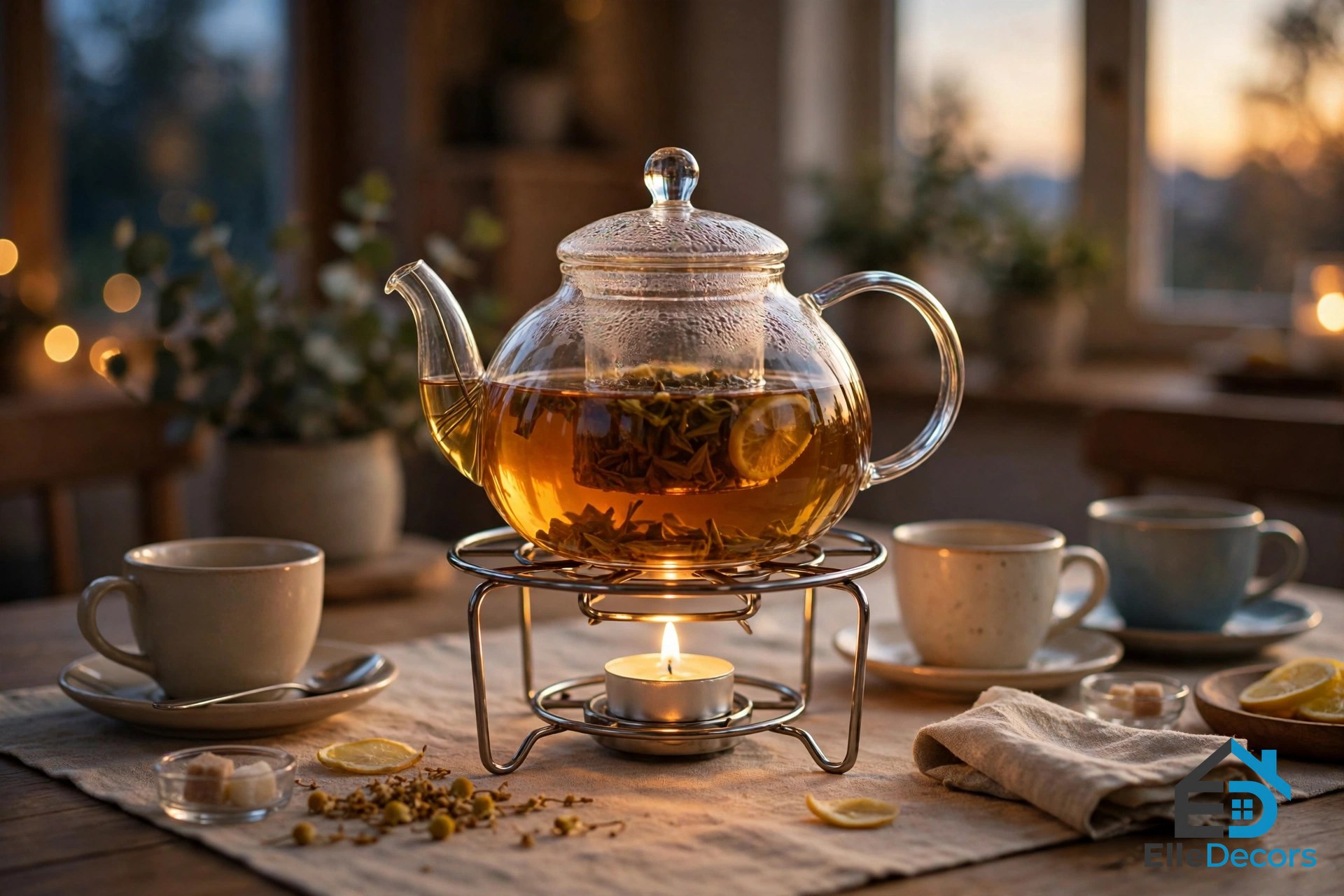
Some afternoons are for lingering, and a teapot with a warmer is built for exactly that. The Willow and Everett teapot comes with an infuser and a warmer, sized for three to four cups, so the pot sits over a small tea light and stays hot while the conversation continues. The Primula Half Moon glass teapot works the same way in a different shape: heat-resistant borosilicate glass with a removable infuser and a protective holder, holding 40 oz for a longer table.
A warmer changes how you serve tea, because there is no rush to finish the pot before it cools, and the flickering light underneath makes the whole table feel warmer too. Unique teapots with warmers suit a dining table better than a kitchen counter, so keep the pot on its stand and bring the cups to it. One safety note: never leave a lit warmer unattended, and keep the stand clear of linen napkins and paper.
9. Pick Enamelled Cast Iron in Colour
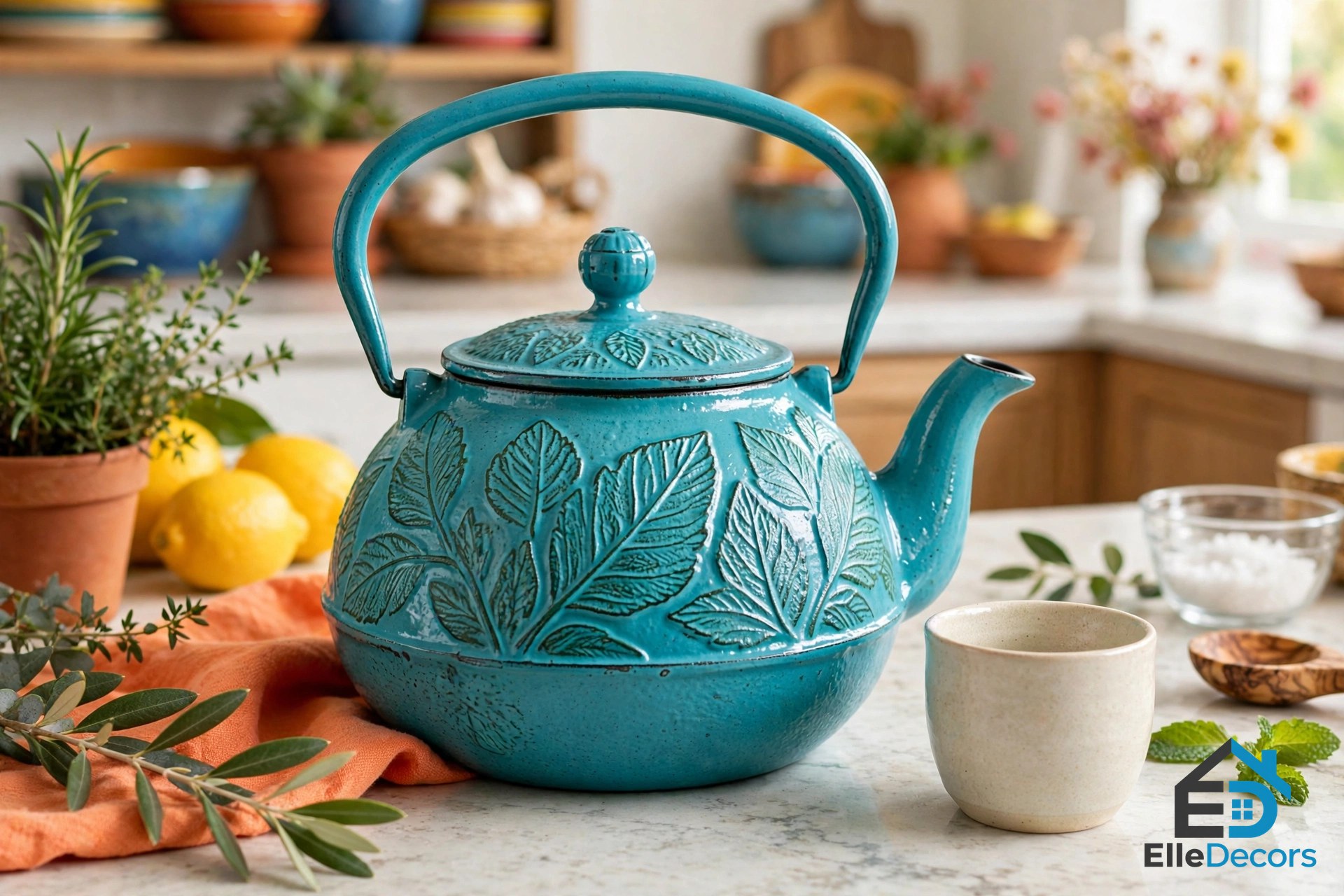
Cast iron does not have to be black. Enamelled tetsubin pots come in a full palette, and colour is where they become decoration as well as cookware. The TOWA Workshop Japanese tetsubin is a traditional cast iron kettle that heats gradually and evenly, while the TOPTIER cast iron teapot with infuser comes in a leaf pattern at 32 oz, and the SUSTEAS tetsubin offers another enamelled take on the same form.
Colours in the roundups run from avocado and sky blue to blush pink, lilac, midnight black and pure white, so the pot can match a kitchen scheme rather than sit apart from it. The enamel inside is what makes these practical: it stops the iron from rusting and keeps the tea tasting clean, while the coloured outside makes the pot worth leaving on the stove or the shelf.
10. Shrink to a Tea-for-One Pot
Not every brew is for a crowd, and a tea-for-one pot is the answer to a solitary morning. The FORLIFE Stump teapot holds 18 oz, a squat ceramic body with a stainless lid that locks and an extra-fine stainless infuser sized so the leaves can open properly, and it is the pot you will see behind the counter at serious tea shops. A small pot brews a better single cup than a large one, because the leaves sit in less water and the liquor stays strong, and the pot itself is light enough to lift with one hand.
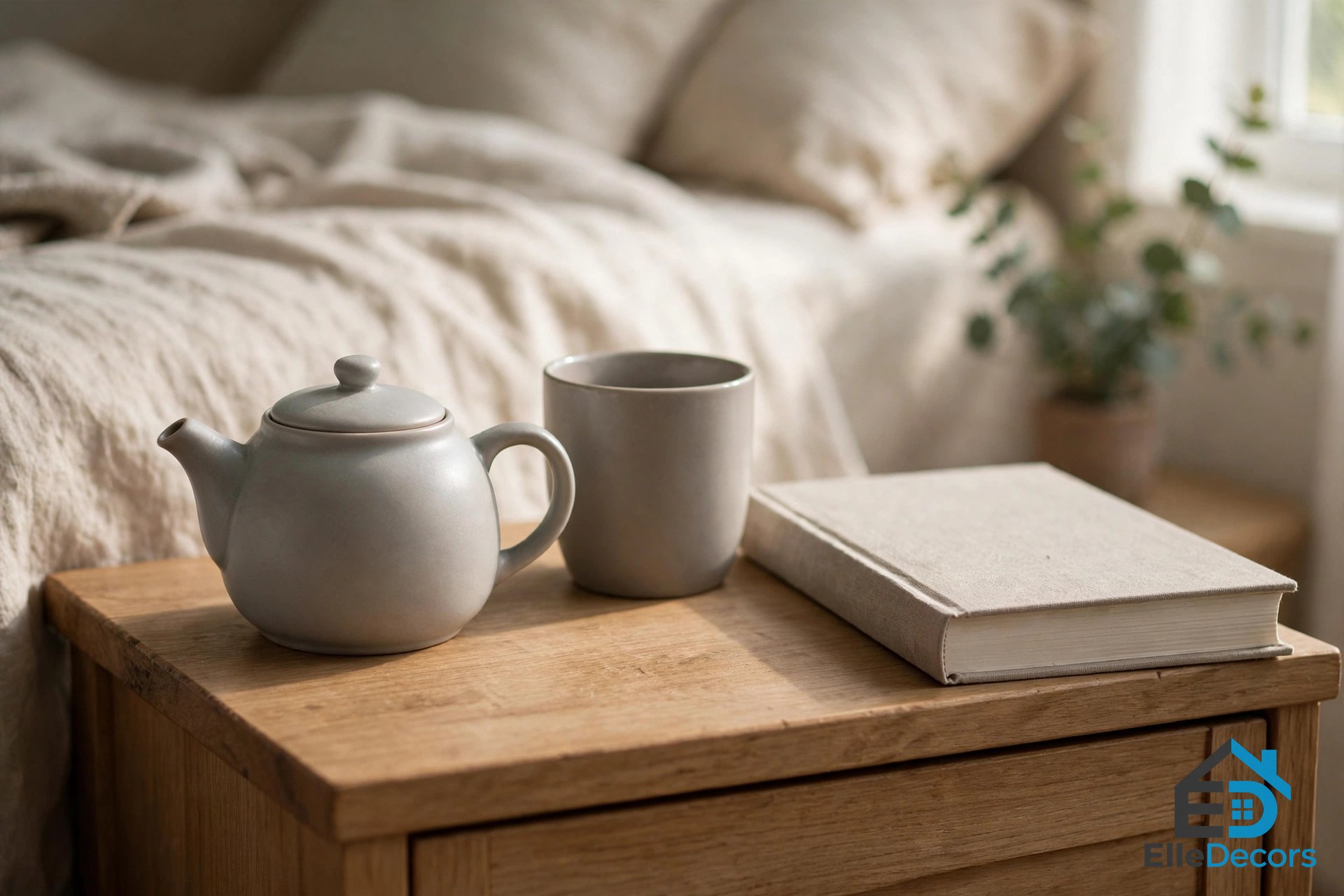
Unique teapots in this size also make good gifts, because they suit a desk, a bedside table or a reading chair, and they ask for no more than one mug and five quiet minutes. Pair the pot with a single favourite cup rather than a set, and the ritual becomes personal: one pot, one cup, one tea, no sharing required.
11. Give a Teapot Set as a Gift
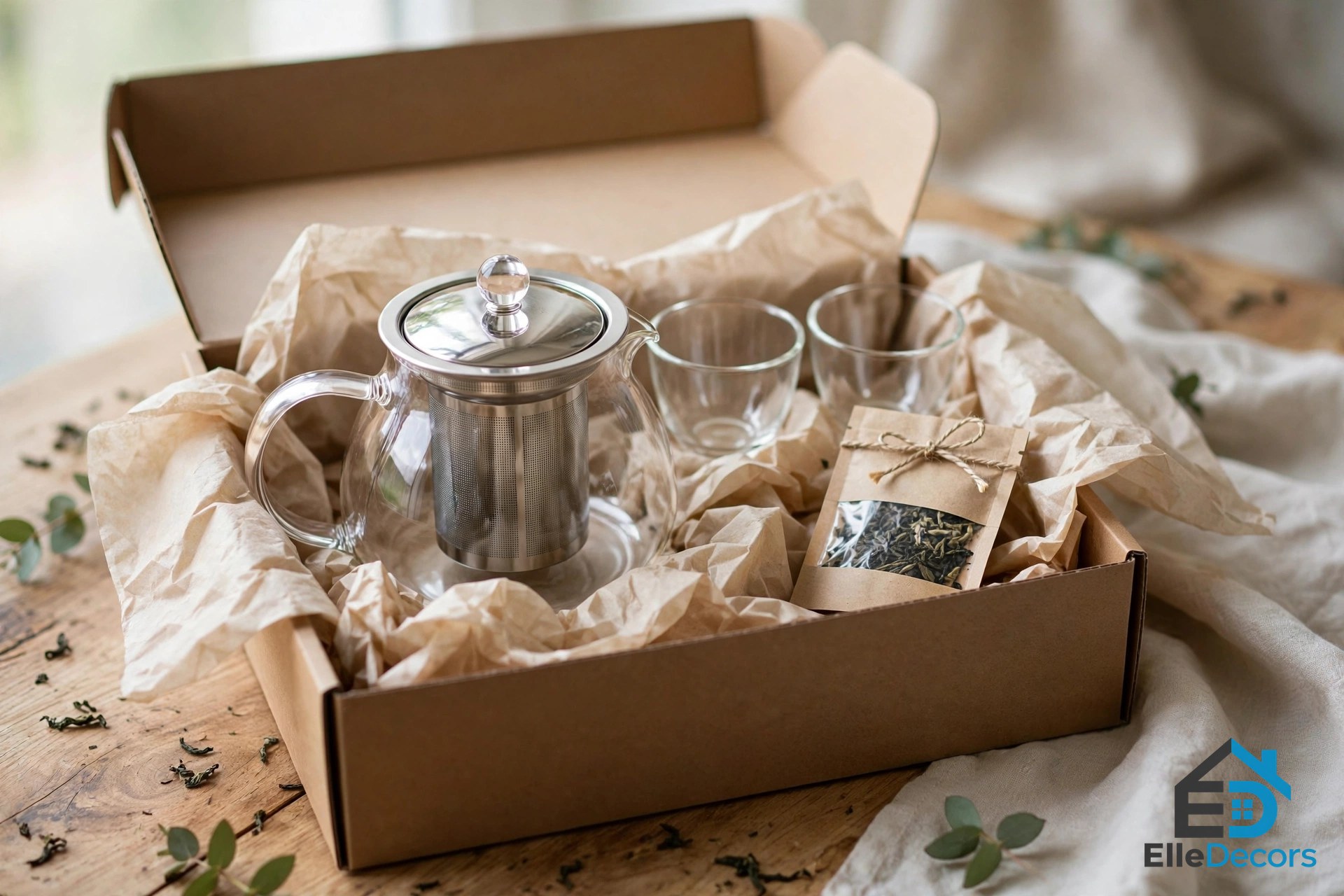
A teapot set solves the hardest part of giving kitchenware: guessing what someone already owns. A set arrives complete, so the recipient needs nothing else to start brewing. The Kitchen Kite teapot is a borosilicate glass gift set at 1.2 litres, clear and modern, while the ZENS ceramic set pairs its matte porcelain pot with two cups, two rattan coasters and a mesh infuser.
A gift set also suits a new home, a wedding or a housewarming, because tea is a daily habit and the set will be used rather than stored. If you are buying for a tea lover, choose their material — glass for a watcher, cast iron for a traditionalist, porcelain for an everyday drinker — and include a small packet of loose leaf so the first brew can happen the same evening.
12. Collect, Display and Rotate Your Pots
The final style in this guide is not a shape but a habit: collecting. A teapot collection starts with one pot you love and grows into a shelf of shapes, materials and stories, and the display becomes part of the kitchen. Collector Daniel Ho’s hundreds of zisha pots fill racks in neat rows, each one a different clay colour or design, and the collection is as much a record of 35 years of travel and taste as it is a set of tools.
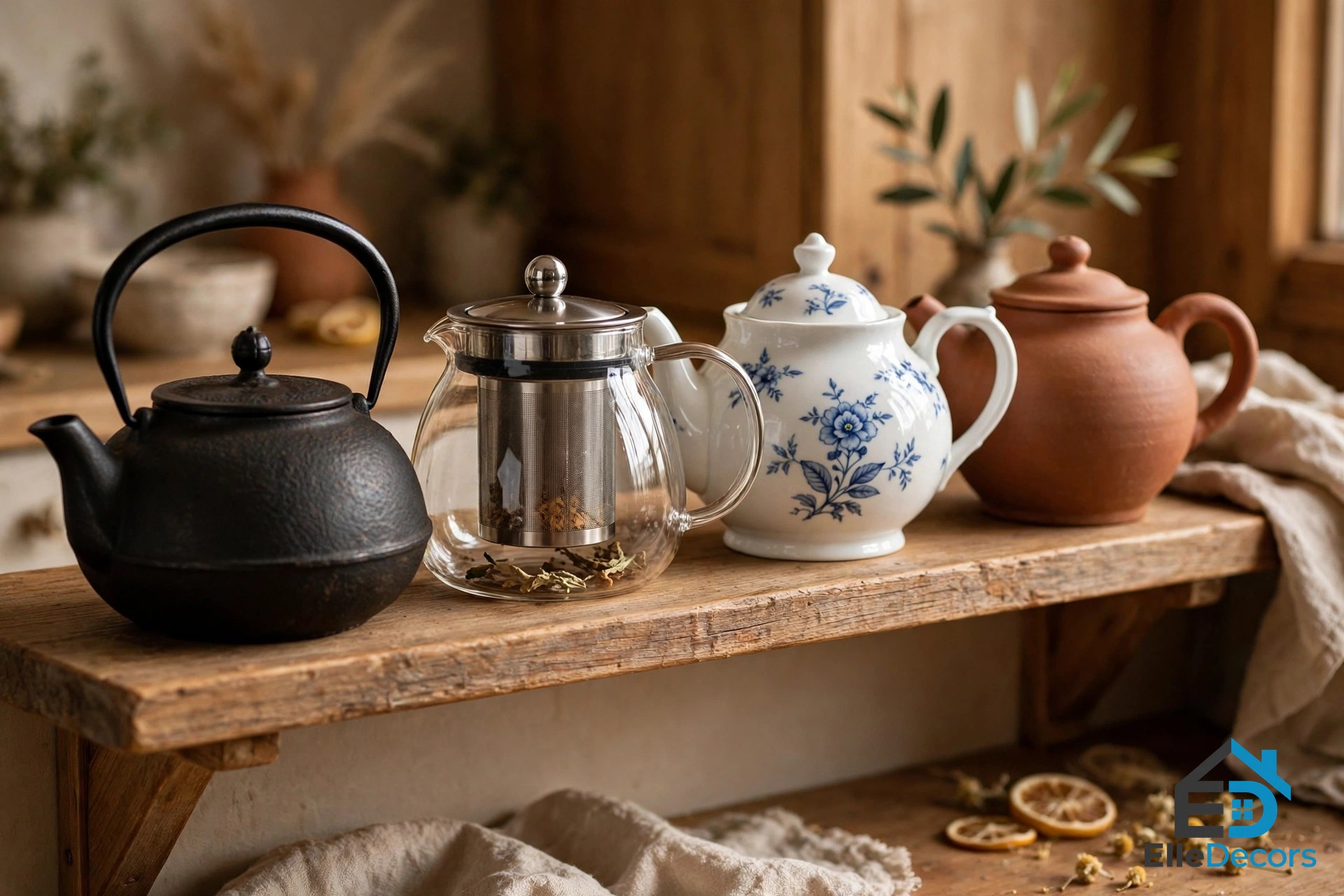
You do not need hundreds: five pots in different materials — cast iron, glass, porcelain, stoneware and clay — give you a pot for every mood and every tea. Unique teapots earn their shelf space by being used, so rotate them: keep the current favourite on the counter, the rest on display, and swap them with the seasons. A pot that is never used becomes an ornament, and an ornament is a fine thing to own, but a teapot deserves better than a life behind glass.
The Styles at a Glance
These twelve styles cover every way a teapot can be different: material, shape, size and purpose. Use the table to match a style to your tea first, then let the sections above fill in the details. The named pots in this guide come from editorial roundups, not from retailer pages, so they are named as examples without buy links.
| Style | Best material | Watch for | Good for |
|---|---|---|---|
| Cast iron tetsubin | Cast iron, enamelled | Weight, drying after use | Strong tea, slow sipping |
| Yixing clay | Zisha clay | Dedicate to one tea | Green tea, oolong |
| Glass with infuser | Borosilicate glass | Cools quickly | Blooming tea, guests |
| Classic porcelain | Porcelain | Thin walls chip | Everyday breakfast |
| Novelty animal | Ceramic, porcelain | Spout must pour cleanly | Gifts, display |
| Japanese kyusu | Glass or porcelain | Learning the side handle | Green tea, small brews |
| Rustic stoneware | Stoneware | Heavy when full | Slow breakfasts |
| Teapot with warmer | Glass, metal stand | Never leave lit alone | Long afternoons |
| Enamelled cast iron | Cast iron, enamel | Chips in the enamel | Colourful kitchens |
| Tea-for-one | Ceramic | Small capacity | Solo mornings |
| Gift set | Glass or porcelain | Include loose leaf | Weddings, housewarmings |
| Collector’s shelf | Mixed materials | Rotate and use them | Display, every mood |
Watch: How a Teapot Is Made
If the handmade pots in this guide feel mysterious, watch one being born. In the video below, a potter makes a ceramic teapot as a wedding gift for her brother-in-law, and the film follows the whole process: throwing the body, the lid and the spout on the wheel, trimming each piece, attaching the spout, making the handle, then firing and glazing. It is the clearest way to understand why a handmade pot costs more than a factory one, and why its small irregularities are a signature rather than a flaw. Unique teapots make more sense once you have seen the work that goes into a single spout, so watch the making before you choose your next pot.
Video: “The Full Process of Making a Teapot // throwing, trimming, assembling, & glazing” (Pottery to the People) — throwing, trimming, assembling and glazing a ceramic teapot made as a wedding gift.
Conclusion
A teapot is the rare kitchen object that is both a tool and a piece of art, and the twelve styles in this guide cover the whole range between the two. Start with the material that fits your tea — cast iron for heat, glass for watching, porcelain for everyday, clay for seasoning — then choose the shape that fits your hand and your shelf. Unique teapots reward use more than display, so pick one, brew with it daily, and let it earn its place on your shelf.
Our guide to copper kitchen accessories covers the metalwork that pairs well with a tea tray, our unique salt and pepper shakers guide finds the same playful spirit in smaller objects, and our drink station guide shows where a teapot lives in a well-planned kitchen.